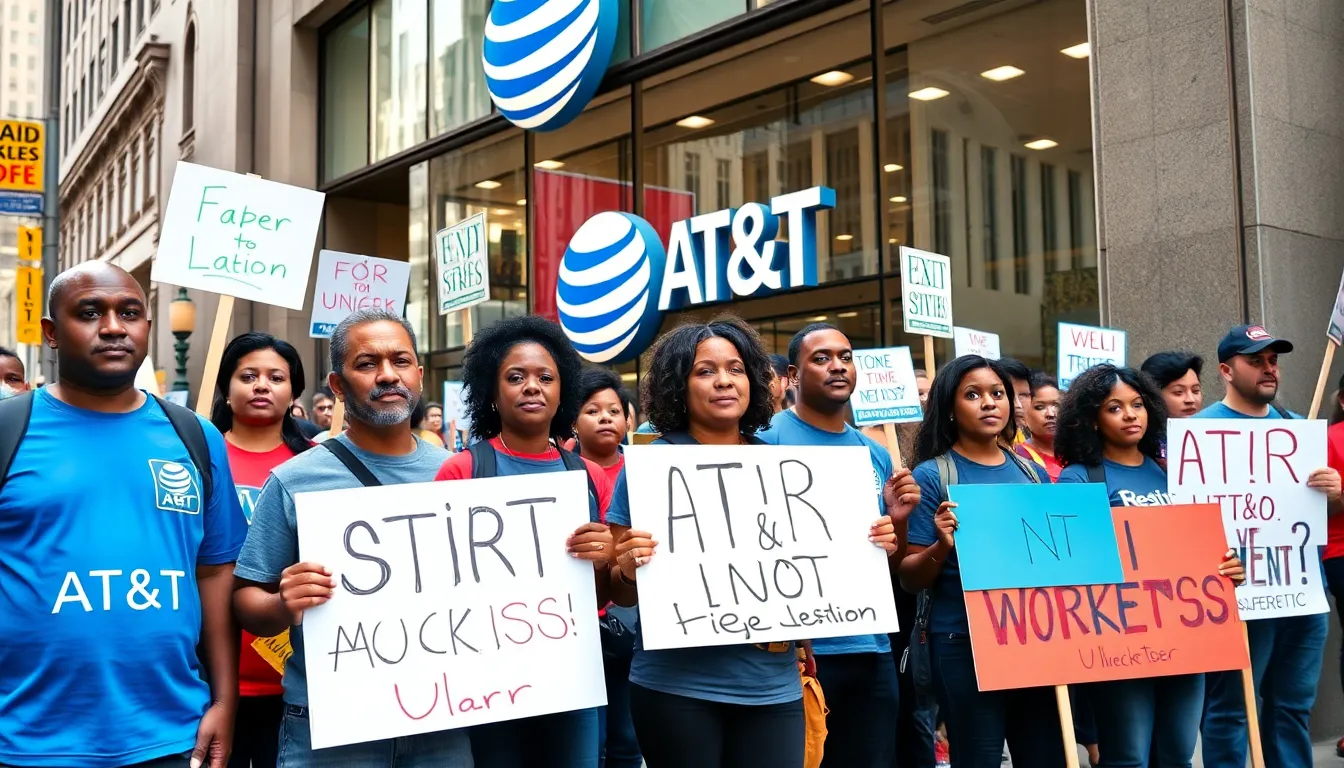
As tensions rise in the telecommunications industry, the AT&T strike has captured national attention. With workers advocating for fair wages and better working conditions, the situation has escalated, affecting not just employees but also customers relying on their services.
The latest developments reveal a complex landscape as negotiations continue between union representatives and company officials. Striking workers are determined to make their voices heard, while AT&T faces pressure to maintain operations and customer satisfaction. This ongoing conflict highlights the broader issues within labor relations today, making it essential to stay informed about the latest updates and implications for all stakeholders involved.
Table of Contents
ToggleAT&T Strike Update: Current Situation
Negotiations between union representatives and AT&T executives continue to progress, highlighting key demands for wage increases and improved working conditions. Recent reports indicate that a significant number of employees across various regions are participating in the strike, impacting service delivery and customer support.
Current discussions revolve around proposed salary raises, with workers seeking an increase of at least 10%, reflecting their efforts to keep up with inflation and rising living costs. Union leaders emphasize the need for comprehensive health benefits and protections against layoffs as part of their negotiation strategy.
AT&T has responded by offering a counterproposal that includes a smaller wage raise, along with enhanced training programs aimed at employee skill development. However, this offer remains contentious, as union members view it as insufficient to address their demands.
Public sentiment appears to lean towards the workers, with many customers expressing support for the strike on social media. They argue that fair compensation and safe working conditions for employees ultimately lead to better service quality. As the strike continues, both sides remain entrenched in their positions, making the situation dynamic and fluid.
Updates regarding the strike are crucial for customers and employees alike as developments unfold and affect day-to-day operations at AT&T.
Background of the AT&T Strike
The AT&T strike has emerged from ongoing tensions between workers and the company, primarily centered on demands for fair wages and improved working conditions. As negotiations continue, key issues and a timeline of events provide clearer insight into the current situation.
Key Issues Leading to the Strike
- Wage Increases: Workers demand a minimum wage increase of 10% to align with inflation and living costs.
- Health Benefits: Employees seek comprehensive health coverage that includes mental health services.
- Job Security: The threat of layoffs drives demands for stronger protections and job security.
- Work Conditions: Calls for better working conditions focus on reducing workload and enhancing employee safety.
- Training Programs: Union members want expanded training opportunities that prepare workers for advanced roles and technological changes.
Timeline of Events
| Date | Event Description |
|---|---|
| August 2023 | Initial negotiations between AT&T and union begin. |
| September 2023 | Workers vote to authorize a strike if terms are not met. |
| October 1, 2023 | Strike officially commences after negotiations fail. |
| October 2023 | AT&T proposes a smaller wage increase, which is rejected by union members. |
| Ongoing | Public support for workers increases as strike continues, with frequent updates on negotiations. |
Continuous updates are crucial as the recurring nature of the strike could have lasting implications for employees, customers, and the telecommunications industry at large.
Impact of the Strike
The ongoing AT&T strike significantly affects both employees and customers. As negotiations remain unresolved, the dynamics of the telecommunications industry face notable shifts.
Effects on Employees
Employees experience heightened uncertainty and financial strain due to the strike. Many workers are participating in picketing activities and are losing income during this dispute. Calls for better wages, benefits, and working conditions resonate deep within the workforce. A considerable number of workers report increased stress levels from job insecurity and ongoing negotiations. Access to mental health services within health coverage remains a critical demand among union members. Striking employees emphasize that improved working conditions promote better workplace morale and productivity.
Effects on Customers
Customers face disruptions in service quality and access as the strike progresses. Long wait times for customer support increase, along with the potential for service outages in some areas. Customer dissatisfaction rises, impacting their overall perception of AT&T’s reliability. Many customers express support for the workers, recognizing that fair labor practices often correlate with better service experiences. Public sentiment indicates that customers prefer to support a company that treats its employees justly, expecting positive changes that ultimately enhance service quality.
Company Response and Negotiations
AT&T continues to engage in discussions with union representatives while addressing employee concerns amid the ongoing strike. The company’s responses reflect both its stance on negotiations and the impact on its workforce.
Statements from AT&T
AT&T claims to prioritize worker satisfaction and aims to maintain a productive dialogue. The company emphasizes its proposal of a wage increase, though lower than the union’s request, alongside improved training programs. AT&T asserts that its approach fosters employee development and aligns with its operational goals. In recent public communications, AT&T’s executives highlighted their commitment to enhancing benefits and evolving workplace conditions, insisting they are working diligently to reach a resolution that satisfies all parties involved.
Progress in Negotiations
Negotiations between AT&T and union representatives have seen fluctuations. Initial discussions in August 2023 set the stage, leading to the authorization of a strike in September and the eventual strike commencement on October 1, 2023. While AT&T offered a wage increase of 5% as part of its counterproposal, union leaders deemed this insufficient given the rising cost of living. Recent updates indicated ongoing meetings aimed at bridging the gap between the two sides, with both parties expressing a willingness to consider alternative solutions, such as phased increases or performance-based incentives. As of late October 2023, negotiations continue with an emphasis on finding common ground to meet critical worker demands.
The AT&T strike highlights significant labor issues that resonate beyond the company itself. As negotiations evolve workers remain steadfast in their demands for fair wages and improved conditions. The ongoing discussions reflect a critical moment in labor relations with both sides exploring potential solutions.
For employees the impact of the strike is palpable with increased stress and financial uncertainty. Customers also feel the effects with service disruptions prompting calls for fair treatment of workers.
As negotiations continue it’s clear that the outcome will shape not only AT&T’s future but also set a precedent for labor practices in the telecommunications industry. Staying informed on developments will be essential for all stakeholders involved.