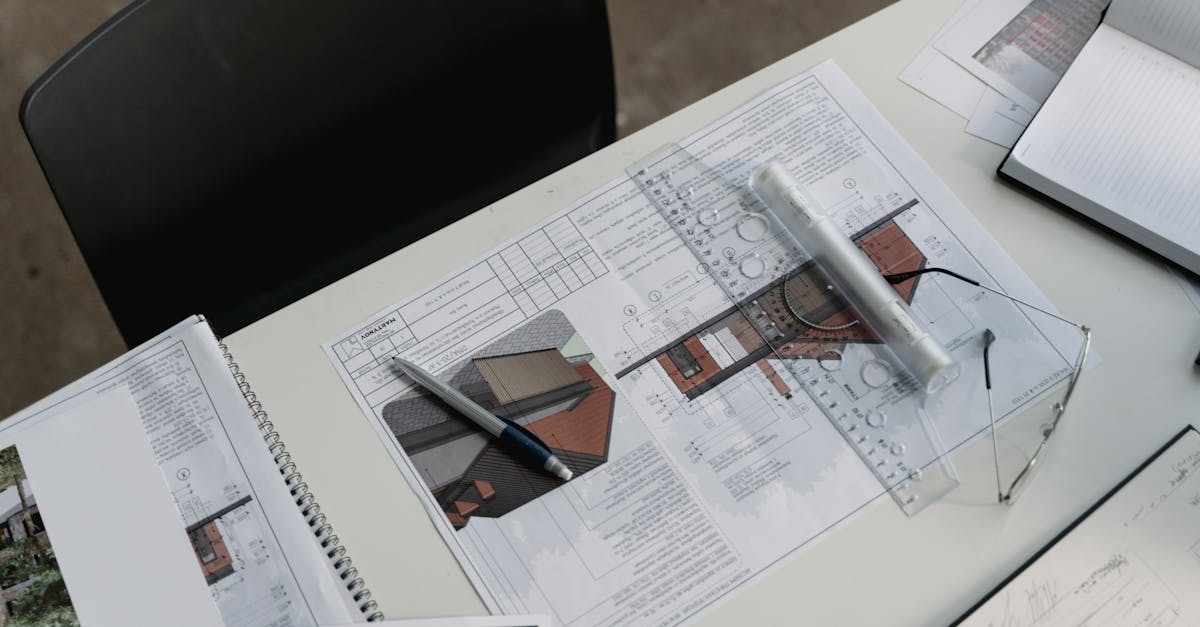
Interior design sketches are where magic begins. They’re the blueprint of creativity that transforms dull spaces into vibrant havens. Imagine going from a plain room to a cozy retreat—all thanks to a few strokes of a pencil. It’s like watching a caterpillar become a butterfly, only with more throw pillows and fewer wings.
But let’s be real: sketches aren’t just pretty pictures. They’re the secret weapon for designers, helping them visualize ideas and communicate with clients. Whether it’s a chic urban loft or a whimsical kid’s room, sketches capture the essence of a vision before it becomes reality. So grab your sketchpad and let’s dive into the world of interior design sketches—where every line tells a story and every detail matters. Who knew doodling could be so sophisticated?
Table of Contents
ToggleOverview of Interior Design Sketches
Interior design sketches play a crucial role in the creative process. They serve as visual representations that bring design ideas to life.
Importance of Sketching in Design
Sketching in design facilitates communication between designers and clients. It captures initial concepts and allows for quick changes during the creative process. Designers can convey their vision effectively through sketches, ensuring it aligns with client expectations. Sketches also simplify complex ideas, making them easier to understand. The immediate feedback received during sketch reviews enhances collaboration and fosters innovative solutions. Using sketches as a guide streamlines the transition from concept to execution, bridging the gap between imagination and reality.
Types of Interior Design Sketches
Interior design sketches come in various forms, each serving specific purposes. Concept sketches provide an overview of the entire space, highlighting key elements. Floor plans detail room layouts and furniture placements, emphasizing functionality. Elevation sketches showcase vertical aspects of design, giving a sense of height and structure. Perspective sketches create a three-dimensional view, immersing viewers in the envisioned environment. Detailed sketches focus on specific features, such as furniture or fixtures, allowing for in-depth exploration. Each type of sketch contributes uniquely to the design process and enhances overall clarity.
Techniques for Creating Interior Design Sketches
Interior design sketches can be created using various techniques. Two popular methods include freehand sketching and digital sketching tools.
Freehand Sketching
Freehand sketching allows designers to quickly express ideas and concepts. This technique fosters creativity and enables immediate adjustments. Designers often use pencils or markers on paper to capture thoughts visually. Lines can be fluid, representing movement and design flow. Sketching by hand helps convey unique perspectives on space and light. It encourages spontaneity, resulting in original designs that reflect personal style. Many designers find this method invaluable for brainstorming sessions because it simplifies the translation of emotions into visuals.
Digital Sketching Tools
Digital sketching tools have revolutionized the design process. Programs like SketchUp and AutoCAD streamline sketching, enabling precision and quick iterations. Designers can manipulate elements easily, adjusting dimensions and layouts without starting from scratch. Virtual environments enhance collaboration, allowing teams to work simultaneously on projects from different locations. Many tools integrate features for color palettes and textures, enhancing visual impact. Digital sketches can be easily saved, shared, and edited, making them ideal for client presentations. Increased accessibility and efficiency make this technique a popular choice among modern interior designers.
Elements to Consider in Interior Design Sketches
Effective interior design sketches incorporate essential elements that guide the design process. Attention to these factors enhances clarity and communication between designers and clients.
Space Planning
Space planning is critical in interior design sketches. Designers assess the layout of each area to determine how space will be utilized. Efficiently organizing furniture and features promotes both function and flow. Designers prioritize traffic patterns to ensure ease of movement. They also consider the balance between open areas and enclosed spaces. Clear zoning helps to establish distinct areas for specific activities. Sketches illustrating these elements offer a visual guide to arrange furniture and allocate space optimally.
Color Schemes and Materials
Color schemes and materials significantly influence the overall feel of a space. Designers select colors that evoke specific emotions or moods. Thoughtful combinations of hues create a cohesive aesthetic. Material choices play a vital role in the functionality and look of the design. By incorporating textures and finishes, designers enhance visual interest. Sketches reflecting these decisions help clients visualize the final result. Not only do they capture the intended palette, but they also showcase the variety of materials to be used.
Examples of Effective Interior Design Sketches
Effective interior design sketches vary widely in style and purpose, catering to both residential and commercial spaces. Each type communicates unique ideas and concepts, facilitating a better understanding of the design intent.
Residential Design Sketches
Residential design sketches often focus on specific spaces within a home. These sketches include layouts for living rooms, kitchens, and bedrooms, showcasing furniture arrangements and color schemes. An effective residential sketch highlights the intended ambience through material representation and lighting ideas. This type of sketch becomes crucial for homeowners as it helps visualize emotional connections to their living spaces. Designers use these sketches to address clients’ preferences, ensuring functionality aligns with aesthetic desires.
Commercial Design Sketches
Commercial design sketches typically aim to optimize functionality in business environments. These sketches may encompass office layouts, retail displays, and restaurant configurations. An effective commercial design sketch emphasizes flow and accessibility for customers and staff. Designers focus on brand identity, integrating company colors and materials into the concepts. Such sketches facilitate presentations to stakeholders, simplifying discussions around client needs and operational efficiency. Engaging these visuals helps in making informed decisions that directly impact customer experience and profitability.
Interior design sketches are more than just drawings; they’re essential tools that bridge the gap between imagination and reality. By capturing ideas and facilitating communication, these sketches empower designers to create spaces that resonate with their clients.
Whether using freehand techniques or advanced digital tools, the ability to visualize concepts enhances collaboration and fosters innovation. The thoughtful integration of elements like space planning and color schemes in sketches ensures clarity and coherence in the design process.
Ultimately, embracing the art of sketching can elevate any interior design project, making it a vital step toward transforming a vision into a beautifully realized space.