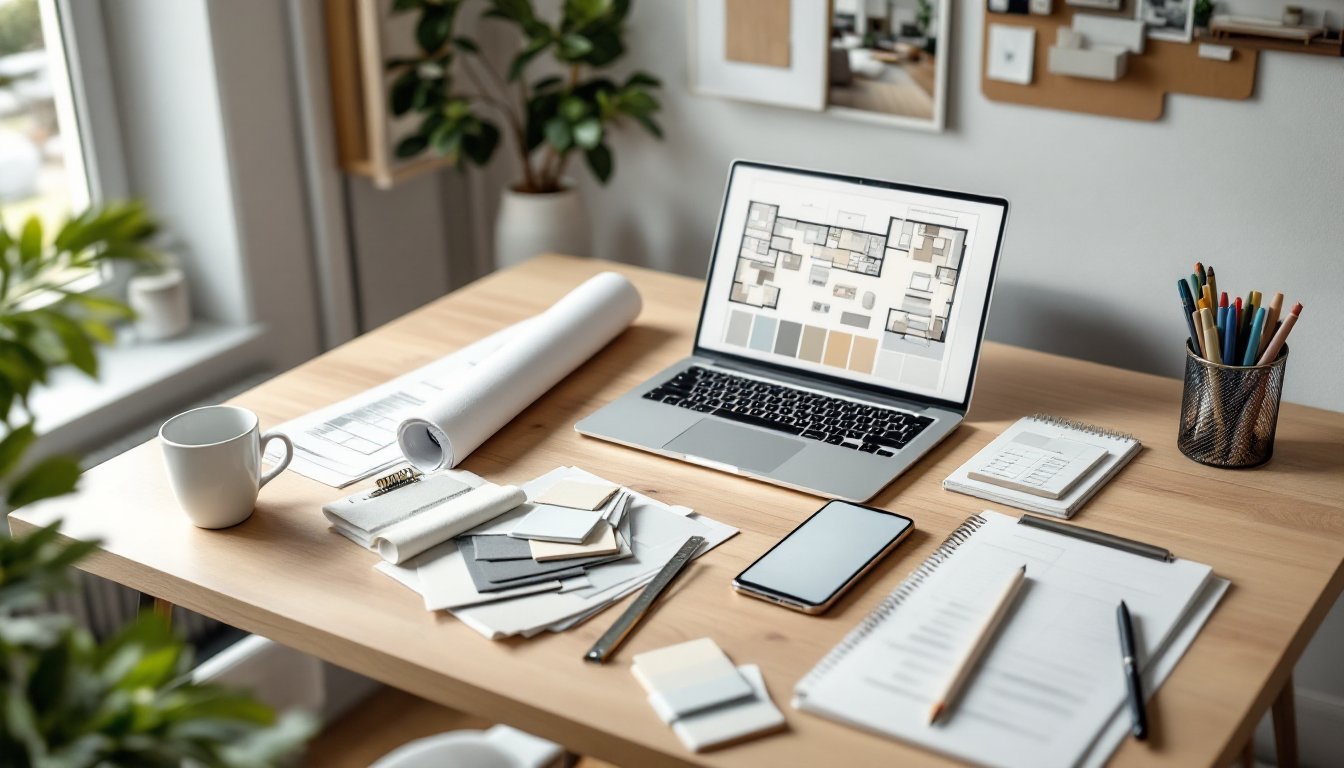
In the bustling world of business, first impressions matter. A well-designed commercial office isn’t just a space; it’s a statement. It’s where creativity flows, productivity soars, and yes, where that awkward water cooler chat becomes a little less awkward. Imagine a workspace that inspires innovation while keeping employees happy and engaged. Sounds dreamy, right?
Table of Contents
ToggleOverview of Commercial Office Interior Design
Commercial office interior design focuses on creating functional and aesthetically pleasing work environments. Design influences mood, efficiency, and overall workplace culture. Spaces designed with an employee’s needs in mind can positively impact productivity and well-being.
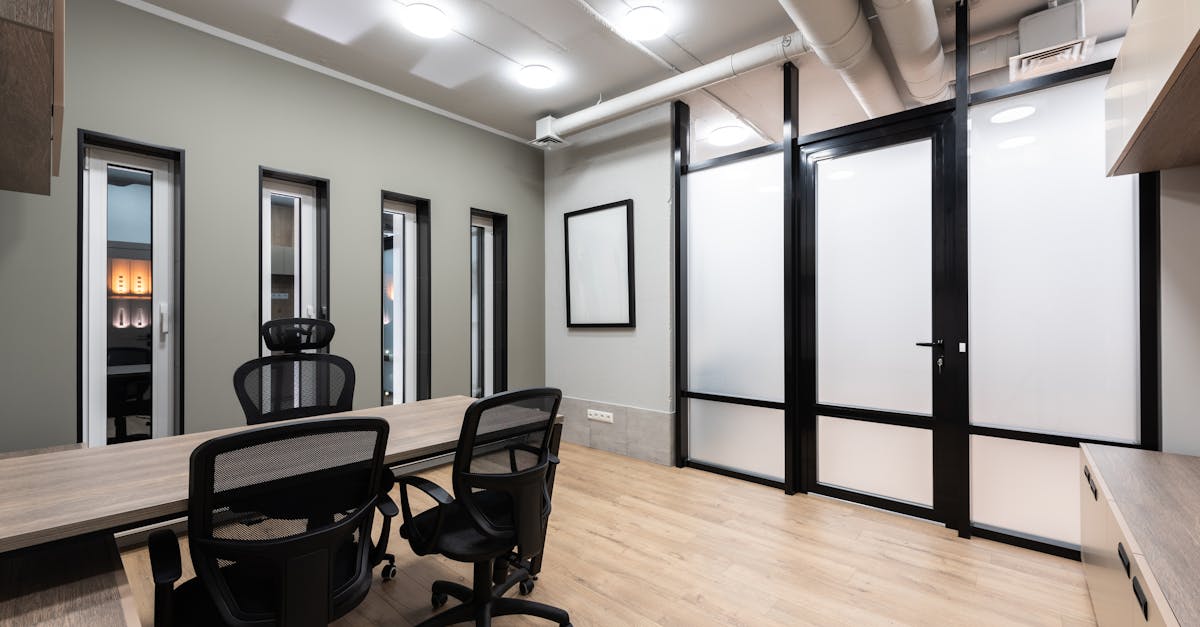
Key elements of commercial office interior design include layout, color scheme, furnishings, and lighting. Layouts may feature open spaces, private offices, or collaborative areas. Each design choice affects the flow of movement and communication among team members. Color schemes can evoke emotions, making spaces feel energetic or calming. Thoughtful use of color encourages creativity or calmness based on the desired work atmosphere.
Furnishings play a vital role in comfort and functionality. Ergonomic chairs and desks contribute to employee health and productivity. Additionally, flexible furniture can adapt to various tasks and team sizes. When selecting furnishings, sustainability is increasingly important. Many companies prioritize eco-friendly materials and production methods, aligning their values with employee expectations.
Lighting, both natural and artificial, significantly impacts the workspace. Natural light has been linked to improved mood and reduced strain, while well-designed artificial lighting enhances visibility and reduces fatigue. Strategic placement of light fixtures contributes to the overall ambiance and functionality of the office.
Implementing these design elements engages employees, fosters collaboration, and reflects the company’s brand identity. Successful commercial office interior design balances aesthetics with practicality, creating spaces that inspire creativity and drive business success.
Key Principles of Effective Design
Effective commercial office interior design hinges on several key principles that enhance both form and function. Prioritizing these principles fosters an environment conducive to productivity and employee satisfaction.
Space Planning
Successful space planning optimizes layout to enhance workflow. Zoning areas for collaboration, quiet work, and social interaction creates a balanced atmosphere. Designated pathways improve movement and accessibility while minimizing distractions. Efficient use of furniture increases usable space without sacrificing comfort. Strategically placing desks, meeting rooms, and break areas encourages communication and teamwork. Incorporating flexible spaces that adapt to various activities supports diverse work styles and enhances employee engagement.
Aesthetic Considerations
Aesthetics play a vital role in creating an appealing work environment. Thoughtful color schemes influence mood and energy levels, setting the tone of the workspace. Incorporating brand colors reinforces identity while fostering a cohesive look. Natural materials like wood and stone add warmth and texture, which enhance the overall aesthetic appeal. Lighting choices, including natural and artificial options, affect visibility and ambiance. Art and decorative elements contribute personality and inspiration, making spaces feel more inviting. Attention to these aesthetic details creates an environment that reflects company culture and values.
Trends in Commercial Office Interior Design
Trends in commercial office interior design evolve rapidly, reflecting changing workplace dynamics and employee expectations. Emphasizing modern aesthetics and functionality drives innovation in design.
Sustainability in Design
Sustainability shapes contemporary design strategies. Using eco-friendly materials supports environmental responsibility while enhancing brand reputation. Implementing energy-efficient systems reduces consumption, cutting operational costs. Workspaces benefit from biophilic design, incorporating plants that improve air quality and boost employee well-being. Designers prioritize natural light to reduce reliance on artificial lighting while creating a welcoming atmosphere. Incorporating recycled materials fosters an eco-conscious image, aligning with corporate social responsibility goals.
Technology Integration
Technology integration remains essential in modern office design. Smart building systems enhance efficiency, allowing for seamless energy management. Workspaces equipped with collaborative tools promote communication and engagement among teams. High-speed internet access supports remote work capabilities and connectivity. Designers emphasize flexible layouts that accommodate emerging technologies, ensuring future-proof environments. Interactive displays and digital signage enhance presentations and communication within the office. Incorporating tech features creates a smart workspace that equips employees to perform at their best.
Challenges in Commercial Office Interior Design
Commercial office interior design faces numerous challenges that impact the effectiveness of workspaces. Addressing these challenges often requires strategic planning and thoughtful execution.
Budget Constraints
Budget constraints often limit design options, forcing decisions between aesthetic appeal and functionality. Many businesses operate under tight budgets, restricting choices for materials and furnishings. Prioritizing essential features over luxury elements can lead to a functional yet appealing workspace. Innovative solutions, like incorporating multipurpose furniture, help maximize limited budgets. Additionally, investing in energy-efficient systems reduces ongoing operational costs, providing long-term savings. Lastly, collaborating with experienced designers ensures the budget aligns with business goals while achieving desired outcomes.
Changing Workforce Needs
Changing workforce needs necessitate flexible design approaches to accommodate diverse employee preferences. With increased remote work, many companies seek adaptable spaces that promote collaboration and interaction. Comfort and well-being rank high on employees’ priorities, so ergonomic furnishings and communal areas are essential. Understanding generational differences informs design choices, allowing for varied work styles within a unified environment. Future-proofing office spaces involves integrating technology and creating zones for quiet work or brainstorming sessions. By focusing on evolving employee expectations, businesses position themselves to foster a productive culture that attracts and retains talent.
A thoughtfully designed commercial office is essential for fostering a productive and engaging workplace. By prioritizing elements such as layout, color schemes, and ergonomic furnishings, businesses can create environments that enhance employee well-being and drive creativity.
Embracing current trends like sustainability and technology integration ensures that workspaces remain relevant and adaptable to changing needs. The focus on flexible design not only meets diverse employee preferences but also supports collaboration and innovation.
Investing in effective commercial office interior design ultimately reflects a company’s values and culture, paving the way for long-term success and employee satisfaction.