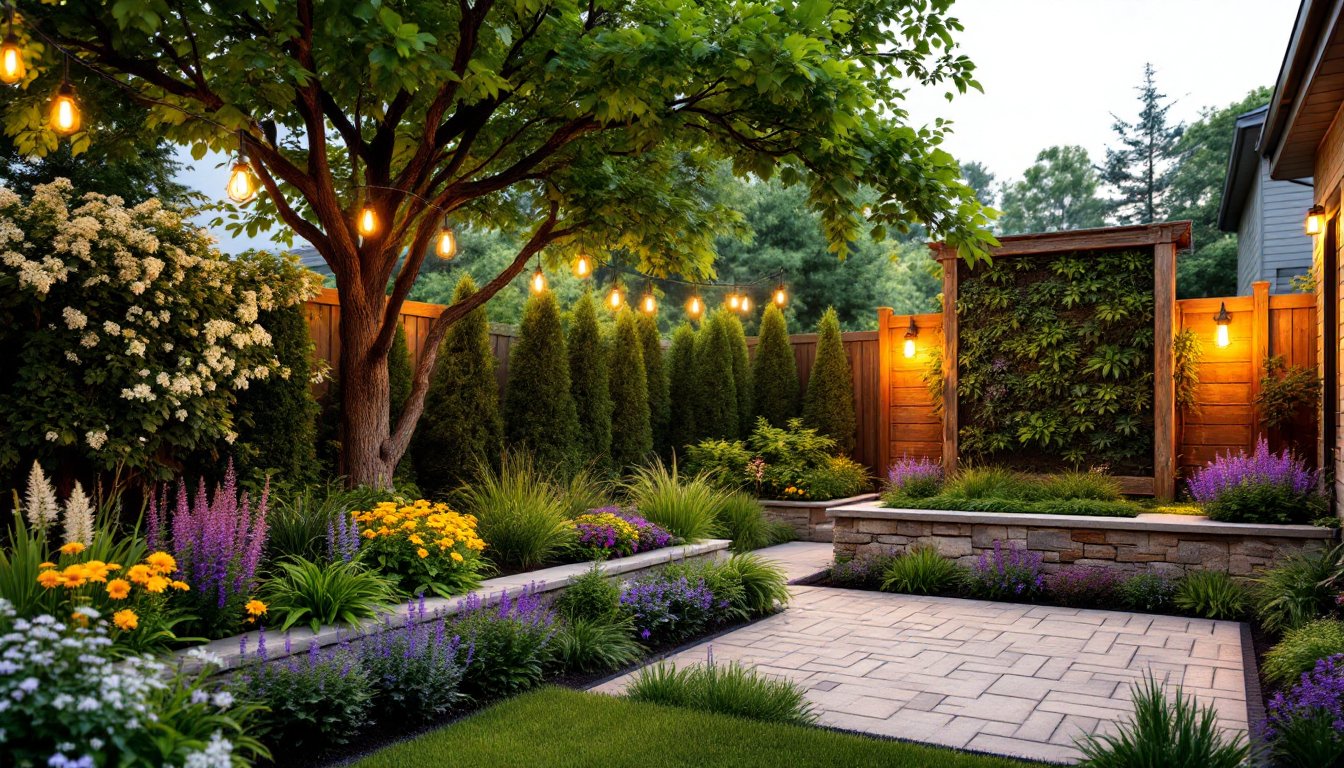
Colorful interior design isn’t just about slapping a bright coat of paint on the walls and calling it a day. It’s a bold statement that transforms a dull space into a vibrant haven. Imagine stepping into a room that feels like a party for your senses, where every hue tells a story and every corner invites exploration. Who wouldn’t want to live in a masterpiece?
Table of Contents
ToggleOverview of Colorful Interior Design
Colorful interior design forms a vibrant expression that transcends standard aesthetics. Engaging color palettes can energize spaces, transforming them into stimulating environments. Each hue carries its own meaning and evokes different emotions, creating a unique atmosphere.
Bold shades such as bright reds or deep blues can serve as focal points, drawing attention to specific areas. Pastel tones offer a softer approach, bringing warmth and tranquility to spaces. Combining various colors can enhance visual interest, encouraging interaction with the environment.
Designers often utilize color theory to create balance and harmony. By understanding the relationships between colors, they can craft a cohesive look that feels intentional. Contrasting colors can add drama, while analogous colors promote a soothing flow.
Incorporating colorful elements such as furniture, artwork, and textiles enhances the overall theme. Accent pieces can bring bursts of color to otherwise neutral settings. Wall art or decorative pillows serve as simple ways to introduce lively shades without overwhelming the room.
Strategic use of light also plays a crucial role in colorful design. Natural light affects how colors appear, shifting their vibrancy throughout the day. Artificial lighting can further enhance or diminish colors, allowing for versatility in design presentation.
Functional considerations should not be neglected. In high-traffic areas, selecting durable materials that also reflect desired colors can promote both style and practicality. Colorful interior design melds artistic ambition with everyday living, enriching the experience of any space.
Key Elements of Colorful Interior Design
Colorful interior design relies on essential elements that enhance space and elevate mood. Understanding these components contributes to creating a harmonious environment.
Color Theory Basics
Color theory encompasses principles that guide the use of color in design. It includes primary colors, secondary colors, and tertiary colors, which mix to create diverse palettes. Analogous colors, like blue, green, and teal, provide harmony and tranquility when paired together. Complementary colors, on the other hand, such as red and green, create contrast, adding visual interest. Designers leverage these color relationships to evoke emotions and establish desired atmospheres. Knowledge of warm colors like red, orange, and yellow can energize spaces. Cool colors like blue and green offer calmness and peace.
Choosing a Color Palette
Selecting a color palette requires careful consideration of the space’s purpose. First, analyzing the existing elements in the room ensures that chosen colors complement current decor. Next, considering natural light levels affects how colors appear throughout the day. Designers often start with a dominant color before incorporating accent shades to balance the composition. Implementing three to five colors usually provides a cohesive look while preventing overwhelming visuals. Additionally, personal preferences should guide selections, as comfort in the environment plays a crucial role. Utilizing various textures and patterns also enhances richness within the chosen palette.
Popular Color Schemes
Colorful interior design benefits from diverse color schemes that enhance aesthetics. Certain combinations evoke emotions while influencing perceptions of space.
Monochromatic
Monochromatic schemes utilize variations of a single hue. This approach creates depth through different shades and tints. For instance, a room painted in varying tones of blue can evoke calmness and serenity. Designers often incorporate varying textures to add visual interest without deviating from the primary color. Furnishings and accessories in a single color palette unify the space, promoting a cohesive environment. Monochromatic designs allow flexibility, lending themselves to personal touches through artwork, textiles, and lighting.
Complementary
Complementary color schemes pair opposite hues on the color wheel. Such contrasts create vibrant energy and visual stimulation. For example, combining oranges and blues can make spaces feel dynamic and invigorating. This technique often highlights focal points, drawing attention to key design elements. When using complementary colors, balance is essential; too much contrast can overwhelm an area. Designers strategically employ neutral tones to soften the palette and maintain harmony. Bright accent pieces enhance the overall theme, offering depth and excitement to the room.
Tips for Implementing Colorful Interior Design
Colorful interior design enhances spaces with vibrancy and life. These tips provide actionable strategies to create an engaging environment.
Balance and Harmony
Achieving balance and harmony is crucial when using multiple colors. Start with a dominant color to set the mood for the room. Then, incorporate three to five additional colors for a cohesive look. Mixing analogous colors fosters a sense of unity, while contrasting these with complementary shades creates visual interest. Ensure the color scheme aligns with the room’s purpose, such as lively hues for entertainment spaces and soothing tones for relaxation areas. Utilize neutral tones strategically to soften bright colors and maintain equilibrium within the palette.
Accent Walls and Decor
Accent walls serve as focal points to draw attention in any room. Choose a bold color or unique wallpaper design that contrasts with surrounding walls. Using textured materials like wood or tile can add depth and intrigue. Decor elements, such as vibrant art pieces or colorful throw pillows, further enhance the room’s personality. Install lighting that highlights these features, ensuring colors pop and create a lively atmosphere. Embrace personal style by selecting decor that resonates emotionally, contributing to an environment that feels both inviting and dynamic.
Case Studies of Colorful Interior Design
Colorful interior design manifests uniquely in various settings, showcasing creativity and emotional influence. Case studies of both residential and commercial spaces highlight how vibrant palettes impact aesthetics and functionality.
Residential Spaces
In residential settings, color transforms living areas into personalized sanctuaries. A study of a California home reveals bright yellows and soft blues that evoke warmth while maintaining serenity. Each room incorporates a mix of textures, enhancing the visual appeal. Similarly, a New York apartment features bold red accents, creating a striking focal point against neutral backgrounds. This deliberate choice energizes the space, making it inviting. Unique art pieces and colorful textiles contribute to the overall narrative of each space. Homeowners engage with their environments thanks to thoughtfully designed areas that reflect their personalities.
Commercial Spaces
Commercial spaces utilize vibrant color schemes to enhance brand identity. A coffee shop in Seattle employs emerald greens and deep oranges, creating a lively atmosphere for customers. This combination not only attracts attention but fosters social interaction. An office in London integrates calming pastel shades, promoting productivity while ensuring employee comfort. Colorful conference rooms with splashes of blue and yellow stimulate creativity during brainstorming sessions. Strategic design choices in these environments encourage collaboration and enhance the overall customer experience, making them memorable. Engaging colors communicate the essence of a brand, leaving lasting impressions on visitors.
Colorful interior design isn’t just about aesthetics; it’s a powerful tool that shapes experiences and emotions. By thoughtfully selecting and combining colors, one can create spaces that are not only visually appealing but also functional and inviting. Whether it’s the calming effect of pastels or the energizing vibe of bold hues, each choice plays a significant role in enhancing the environment.
Incorporating color theory and personal style leads to unique designs that resonate on a deeper level. Ultimately, embracing vibrant colors allows individuals to transform their living and working spaces into dynamic reflections of their personality and creativity. The impact of color is profound, turning ordinary rooms into extraordinary experiences.