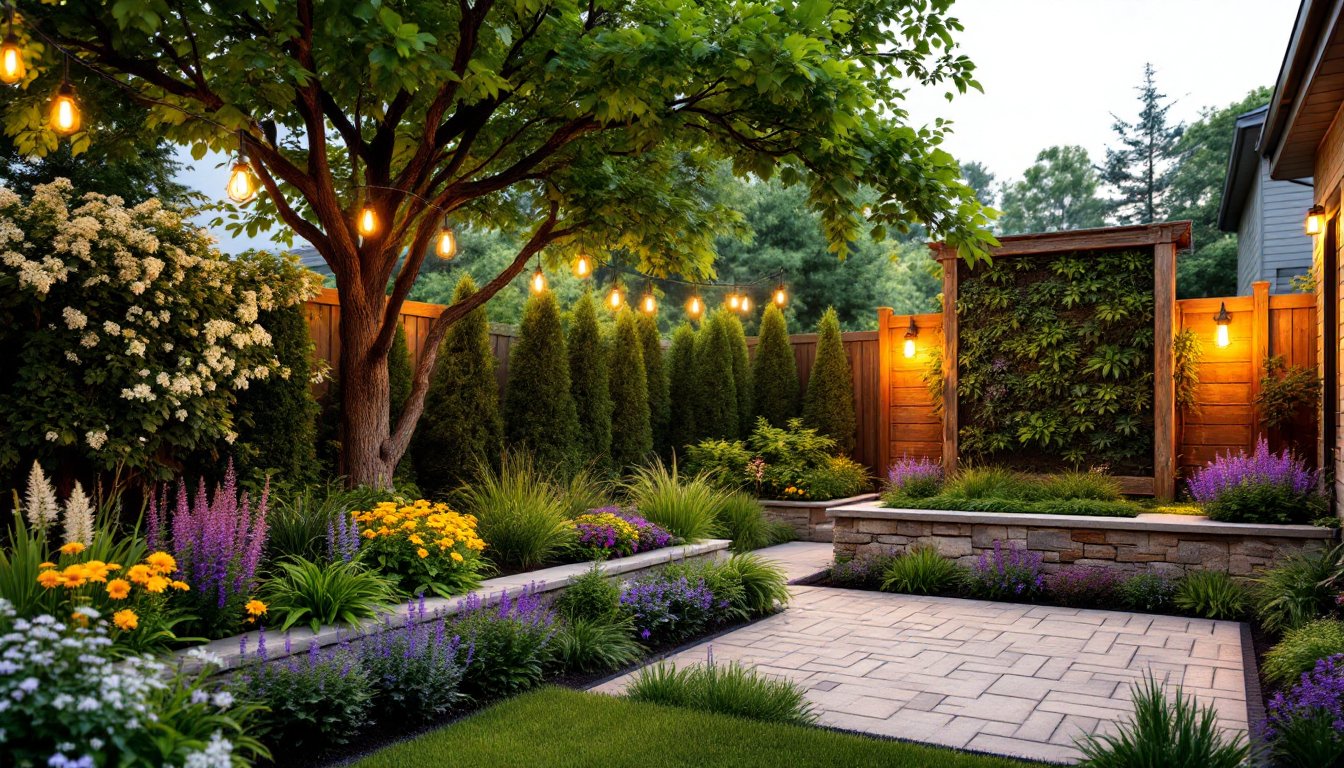
A sloped front yard can feel like a landscaping nightmare, uneven, hard to mow, prone to erosion, and awkward to plant. But what if that incline is actually your ticket to a front yard that stops traffic? Slopes offer dimension, drainage advantages, and opportunities for layered plantings that flat lawns can’t touch. The key is working with the grade instead of fighting it. This guide walks through practical, proven strategies to turn that challenging hillside into a low-maintenance, visually striking landscape that adds real value to the home.
Table of Contents
ToggleKey Takeaways
- Sloped front yard landscaping transforms challenging grades into visually striking landscapes with natural drainage, depth, and curb appeal that flat yards cannot achieve.
- Terraced garden beds with retaining walls (timber, concrete blocks, or stone) create functional planting layers that reduce erosion and add structure to steep slopes.
- Ground cover plants like creeping juniper, phlox, and sedum prevent erosion while requiring minimal maintenance once established on sloped terrain.
- Stone retaining walls and strategically placed boulders add permanence and create microclimates that benefit drought-tolerant plants like lavender and ornamental grasses.
- Well-designed pathways and steps improve accessibility and safety on slopes, with switchback designs reducing grade difficulty and soil compaction.
- Layered planting strategies using drought-tolerant perennials and native plants suited to varying moisture levels ensure low-maintenance, long-term success on sloped yards.
Why Sloped Front Yards Are a Hidden Landscaping Opportunity
Most homeowners view a slope as a problem to flatten or ignore. But slopes naturally provide better drainage than level yards, reducing puddling and foundation concerns. They also create natural layers that add depth and visual interest, something flat yards struggle to achieve without extensive hardscaping.
From a design standpoint, slopes force the eye to move vertically, creating a sense of scale and drama. Tiered plantings, retaining walls, and meandering pathways become focal points rather than afterthoughts. A well-designed slope can frame the home, drawing attention upward and making the property appear larger.
The trade-off? Slopes demand thoughtful planning. Erosion control is non-negotiable, and plant selection needs to account for drainage, sun exposure, and root systems that can grip the soil. But once established, a slope can be easier to maintain than a traditional lawn, no mowing on an angle, and proper water management reduces the need for constant irrigation.
Terraced Garden Beds for Structure and Visual Interest
Terracing transforms a steep slope into a series of flat planting areas, making the space more functional and visually striking. Each level acts as a mini-garden, allowing for varied plant types and creating clear boundaries that guide the eye.
Materials and Construction
Retaining walls for terraces can be built from pressure-treated timber, concrete blocks, or natural stone. Timber is the most DIY-friendly, 6×6 or 8×8 landscape timbers anchored with rebar work well for walls under 3 feet. For walls over 3 feet, check local building codes: many jurisdictions require engineered designs and permits for structural retaining walls.
Concrete block systems like Allan Block or Keystone interlock without mortar, making them faster to install. Always set blocks on a compacted gravel base (6 inches minimum) for drainage and stability. Backfill with gravel, not soil, to prevent hydrostatic pressure that can push walls out over time.
Spacing and Layout
For mild slopes (less than 20%), terraces spaced 4 to 6 feet apart vertically work well. Steeper grades may need closer spacing or taller walls. Stagger plantings between levels to soften the hard lines of the retaining structures. Groundcovers on the terraces themselves reduce maintenance and erosion between beds.
Ground Cover Plants That Prevent Erosion and Add Beauty
Bare soil on a slope is a recipe for erosion, mud runoff, and weed invasion. Ground covers provide a living mulch that holds soil in place with their root systems while adding color and texture.
Top Performers for Slopes
• Creeping Juniper (Juniperus horizontalis): Evergreen, drought-tolerant, and spreads 6 to 8 feet. Thrives in full sun and poor soil.
• Creeping Phlox (Phlox subulata): Low-growing perennial with spring blooms in pink, purple, or white. Excellent for sunny slopes.
• Pachysandra: Shade-tolerant evergreen that forms a dense mat. Ideal for slopes under trees.
• Sedum (Stonecrop): Succulent groundcover that handles drought and poor soil. Varieties like Sedum spurium work well on dry, rocky slopes.
• English Ivy (Hedera helix): Aggressive spreader that grips slopes tightly. Use with caution, it’s invasive in some regions.
Planting Tips
Plant ground covers in staggered rows, not straight lines, to maximize coverage and reduce erosion channels. Space plants according to their mature spread, closer spacing fills in faster but costs more upfront. Mulch between new plantings with shredded bark or pine straw to hold soil until roots establish. On steep slopes, consider using erosion control matting (jute or coconut fiber) to stabilize soil during the first growing season.
Stone Retaining Walls and Natural Rock Features
Stone walls add permanence and structure to a sloped yard, and they age better than timber or block systems. Whether stacked dry or mortared, stone creates a natural look that blends with most architectural styles.
Dry-Stack Stone Walls
Dry-stacking uses no mortar, friction and gravity hold the stones in place. This method allows for drainage and slight movement without cracking. Use flat fieldstone or quarried wall stone in irregular shapes. Walls under 2 feet high are manageable DIY projects: taller walls should be designed by a professional to ensure stability.
Start with a gravel-filled trench 6 to 8 inches deep for the base course. Tilt each stone slightly back into the slope (about 5 degrees) to resist outward pressure. Overlap joints like brickwork, never stack joints vertically. Backfill behind the wall with gravel for drainage.
Boulders and Rock Gardens
For a less structured look, large boulders placed strategically can anchor plantings and slow water flow. Bury at least one-third of each boulder to make it look natural, not dumped. Cluster rocks in odd numbers (groups of 3 or 5) and vary sizes for a more organic feel. Western regional homes often incorporate native rock garden designs that require minimal water and maintenance.
Plant between rocks with drought-tolerant species like ornamental grasses, lavender, or salvia. Rocks absorb heat during the day and radiate it at night, creating microclimates that benefit Mediterranean plants.
Creating Pathways and Steps for Accessibility and Charm
A slope without access is wasted space. Pathways and steps make plantings reachable for maintenance and create visual flow that draws the eye through the landscape.
Material Choices
• Flagstone: Irregular shapes laid on a gravel base. Natural look, but can be uneven, not ideal for those with mobility concerns.
• Pavers: Concrete or brick pavers offer a uniform surface. Interlocking styles are DIY-friendly.
• Gravel: Crushed granite or pea gravel is budget-friendly and drains well. Edge with metal or plastic landscape edging to prevent spread.
• Stone Steps: Flat slabs (bluestone, limestone) set into the slope. Each step should have a 6-inch rise and a 12 to 14-inch tread for comfortable footing.
Building Safe Steps
For slopes steeper than 10%, steps are safer than a sloped path. Measure the total rise (vertical height) and divide by 6 inches to estimate the number of steps needed. Anchor each step into the slope with a gravel base or set in mortar for stability.
Add lighting along steps for nighttime safety, low-voltage LED path lights are easy to install and energy-efficient. If the slope connects to a driveway or entry area, ensure the pathway is at least 3 feet wide for comfortable two-way traffic.
Switchback paths (zigzagging up the slope) reduce the grade and make climbing easier. They also slow foot traffic, reducing soil compaction and erosion.
Low-Maintenance Plant Combinations for Slopes
The best slope plantings are drought-tolerant, deep-rooted, and able to thrive with minimal attention. Once established, they should need little more than seasonal cleanup.
Layered Planting Strategy
Top of slope (driest, most sun):
• Ornamental grasses: Miscanthus, Pennisetum, or Blue Fescue. Deep roots stabilize soil, and they add movement and texture.
• Drought-tolerant shrubs: Barberry, Sumac, or Russian Sage. These handle poor soil and full sun.
Mid-slope (moderate moisture):
• Perennials: Black-eyed Susan, Coneflower, or Daylily. Color without heavy water needs.
• Dwarf shrubs: Spirea, Potentilla, or Weigela. These fill space without overwhelming smaller plants.
Bottom of slope (more moisture, possible runoff):
• Moisture-tolerant plants: Astilbe, Hosta (if shaded), or Sedge grasses. These handle wetter conditions without rotting.
Mulch and Edging
Apply 3 inches of shredded hardwood mulch around plantings to suppress weeds and retain moisture. On steep slopes, mulch can slide, consider using larger, chunky mulch or pine straw that locks together. Edge planting beds with steel or aluminum landscape edging to create clean lines and prevent mulch from washing downhill.
Avoid high-maintenance plants like hybrid roses or annuals that need constant deadheading and fertilizing. Slopes are hard to reach, and low-maintenance perennials or native plants deliver better long-term results. For those new to slope planting, starting with basic landscaping principles can prevent costly mistakes.
Conclusion
A sloped front yard isn’t a curse, it’s a canvas. Terracing, ground covers, stone features, and thoughtful plant selection turn an awkward grade into a landscape with depth, character, and curb appeal that flat yards can’t match. The work is upfront, but once established, a well-designed slope requires less maintenance than a traditional lawn and adds real value to the property. Start with erosion control, build in structure, and plant for the long haul.