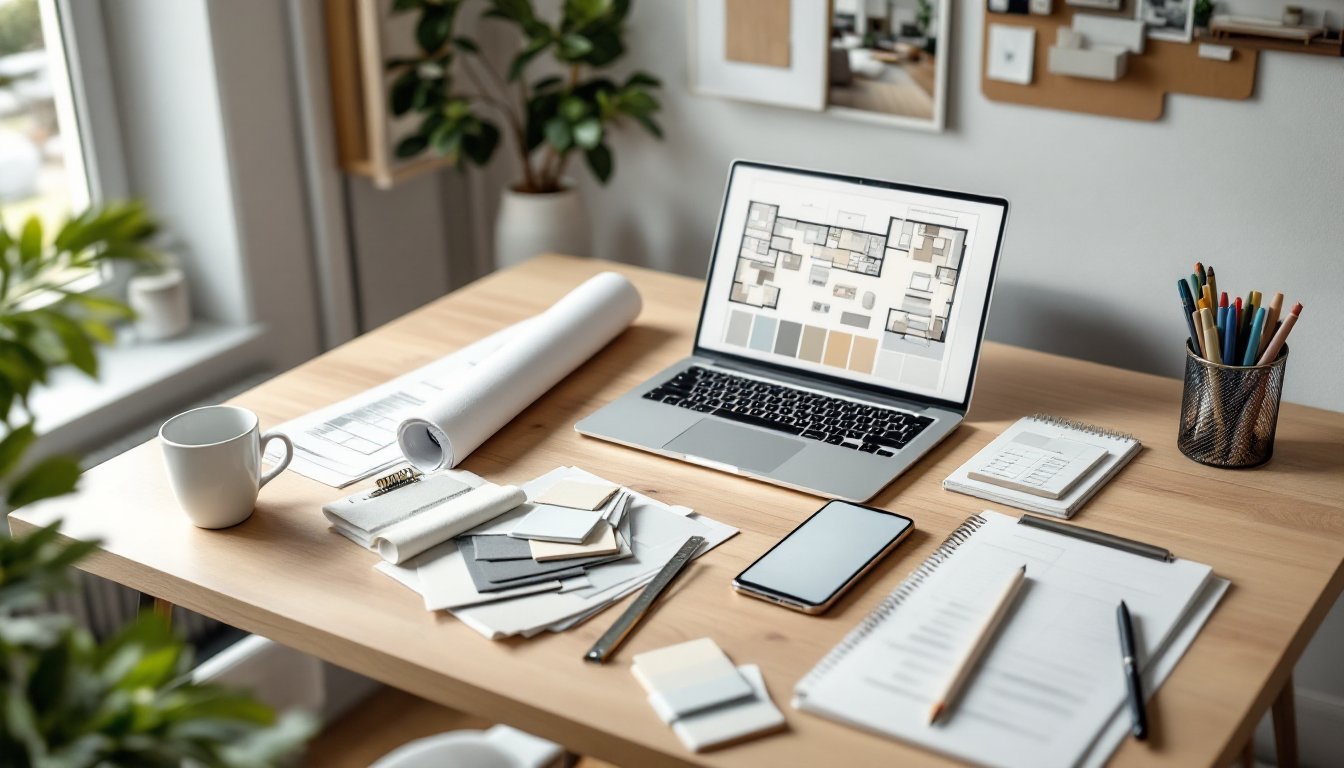
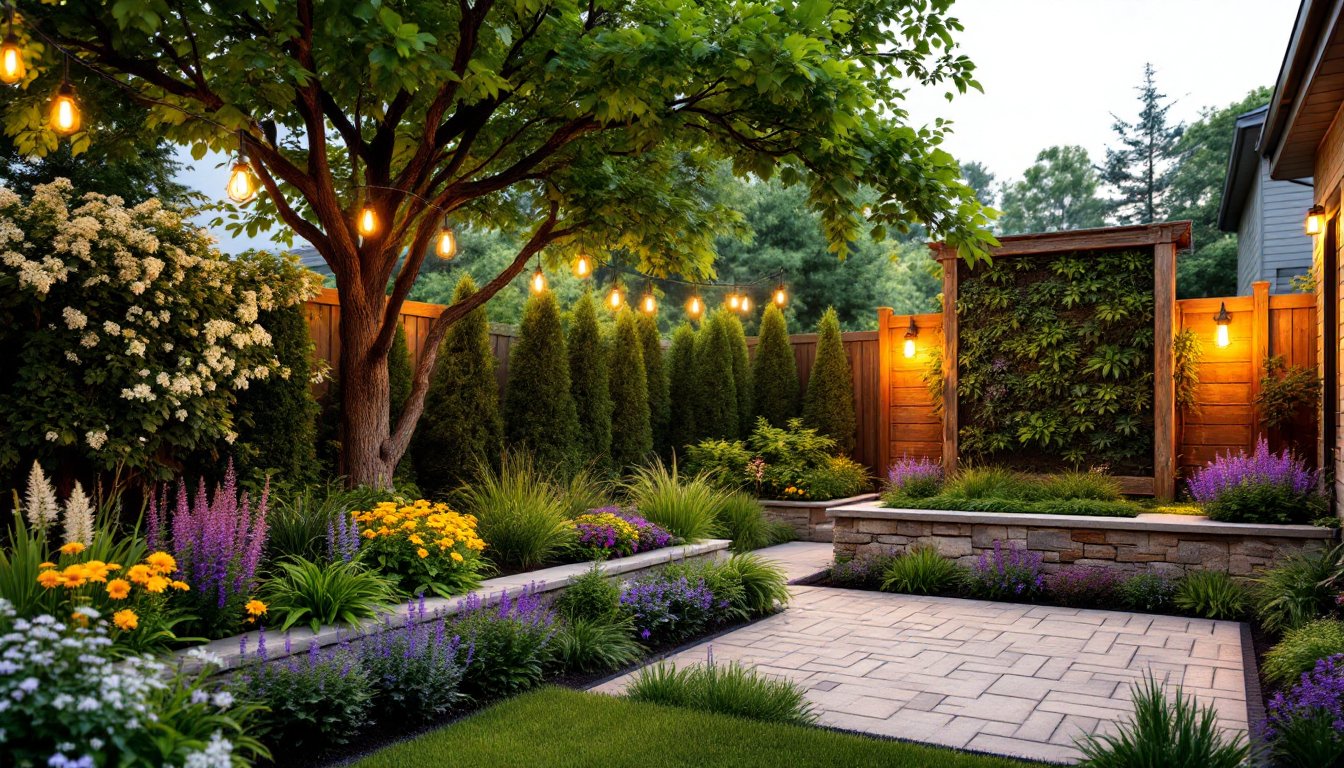
Eminent interior design isn’t about copying showroom floors or chasing Instagram trends. It’s about understanding the fundamental principles that separate a well-decorated room from a truly distinguished space. These principles have guided designers for generations, from classical estates to contemporary lofts, because they’re rooted in how humans perceive and interact with their surroundings. Whether tackling a full renovation or refreshing a single room, mastering these seven core concepts will elevate any project from acceptable to exceptional, no design degree required.
Table of Contents
ToggleKey Takeaways
- Eminent interior design prioritizes intentionality, restraint, and visual cohesion over trends, allowing each element to breathe while maintaining timeless quality.
- Master balance, proportion, and the golden ratio to create harmonious spaces where furniture and décor relate appropriately to room dimensions and human scale.
- Use the 60-30-10 color rule and layer varied textures—mixing smooth with rough, matte with glossy—to add depth and sophistication without relying solely on color.
- Implement three-tiered lighting (ambient, task, and accent) at multiple heights with dimmers and consistent color temperature to transform a room’s visual interest after dark.
- Invest in timeless, high-quality bones like hardwood flooring, neutral paint, and well-constructed furniture, then experiment with trends through easily changeable accessories like pillows and artwork.
What Makes Interior Design Truly Eminent?
The word “eminent” implies more than just popularity or trendiness. It suggests lasting quality, thoughtful execution, and a level of sophistication that stands the test of time. Eminent design isn’t defined by budget alone, it’s about intentionality.
Distinguished interiors share several hallmarks. They demonstrate visual cohesion, where every element relates to a broader concept rather than appearing randomly assembled. They balance function with aesthetics, ensuring beauty doesn’t compromise usability. And they reflect a clear understanding of spatial relationships, proportion, and how light, color, and texture interact.
The difference between amateur and eminent work often comes down to restraint. Novice designers tend to over-furnish, over-decorate, or chase too many ideas in one space. Skilled designers edit ruthlessly, allowing each element room to breathe while maintaining interest. This principle applies whether designing a small apartment or a sprawling estate.
Eminent design also acknowledges context. A lake cabin shouldn’t mimic a Manhattan penthouse, and vice versa. Regional materials, architectural style, and the building’s history all inform choices that feel authentic rather than forced.
Balance and Proportion: The Foundation of Distinguished Spaces
Balance in interior design refers to visual weight distribution. It prevents spaces from feeling lopsided or chaotic. Three types exist: symmetrical balance (formal, mirrored arrangements), asymmetrical balance (informal, weighted through different elements), and radial balance (elements radiating from a central point).
Symmetrical balance works well in traditional settings, matching lamps flanking a sofa, centered artwork above a fireplace. It conveys stability and formality. Asymmetrical balance requires more finesse but feels dynamic and modern. A large sectional on one side might be balanced by a tall plant and side table on the other, creating equilibrium through varied elements.
Proportion relates to the relationship between object sizes and the space itself. A massive sectional in a 10×12 room will overwhelm, while delicate café chairs in a great room with 14-foot ceilings feel insignificant. Understanding scale prevents these mismatches.
Creating Visual Harmony Through Scale
Scale specifically addresses how furniture and décor relate to human dimensions and architectural features. The golden ratio (approximately 1:1.618) appears repeatedly in eminent design, from furniture proportions to room layouts, because it mirrors patterns found in nature.
When selecting furniture, measure the room first. For living rooms, sofas should occupy roughly two-thirds of the wall length they’re placed against. Coffee tables should sit about 18 inches from seating and measure approximately two-thirds the sofa’s length.
Artwork scale matters significantly. A single piece above a sofa should span two-thirds to three-quarters of the furniture width. Gallery walls can extend wider but should still relate proportionally to the anchor furniture below.
Ceiling height dictates different approaches. Standard 8-foot ceilings benefit from low-profile furniture and vertical elements that draw the eye upward, floor-to-ceiling curtains, vertical paneling, or tall bookcases. Spaces with higher ceilings can accommodate taller headboards, oversized lighting fixtures, and stacked arrangements without feeling cramped.
The Art of Color Mastery in High-End Design
Color theory separates competent design from eminent work. The 60-30-10 rule provides a reliable framework: 60% dominant color (usually walls), 30% secondary color (upholstery, curtains), and 10% accent color (pillows, art, accessories).
Eminent designers understand undertones. Paint that appears “white” on a chip reveals warm (yellow, pink) or cool (blue, gray) undertones depending on natural light exposure. Test samples on multiple walls and observe them throughout the day before committing. North-facing rooms receive cooler light, while south-facing spaces get warmer, more intense sunlight that affects color perception.
Successful color palettes often draw from a single inspiration source, a favorite artwork, textile, or even a landscape photograph. This creates inherent cohesion. Many design concepts build around such anchor pieces.
Sheen level affects color perception too. Flat paint absorbs light, making colors appear deeper and hiding imperfections. Satin and eggshell reflect moderate light, suitable for most living spaces. Semi-gloss and high-gloss reflect maximum light, intensifying color while highlighting surface flaws, save these for trim, cabinets, or deliberately dramatic accent walls.
For those hesitant about color, start with neutrals in varied shades rather than stark white everywhere. Layer warm grays, taupes, creams, and soft whites. Introduce color through easily changed elements, pillows, throws, art, before committing to painted walls or upholstered pieces.
Layering Textures for Depth and Sophistication
Monochromatic or neutral schemes risk feeling flat without textural variety. Texture creates visual interest and tactile appeal that prevents spaces from reading as one-dimensional, even when color remains restrained.
Successful texture layering mixes smooth with rough, matte with glossy, hard with soft. A room might combine:
- Smooth leather seating
- Rough-hewn wood coffee table
- Nubby linen curtains
- Polished marble side table
- Plush wool area rug
- Matte-painted walls
- Brushed metal lighting fixtures
Each surface catches and reflects light differently, adding depth without introducing competing colors. This approach defines many approaches to timeless interior design that remain relevant across decades.
Natural materials inherently provide textural interest. Wood grain, stone veining, woven fibers, and raw metals read as authentic and substantial. Synthetic materials can mimic these qualities but rarely achieve the same depth. When budget permits, invest in natural materials for high-touch, high-visibility elements, countertops, flooring, primary seating.
Wall treatments add another textural layer beyond paint. Grasscloth wallpaper, board-and-batten paneling, limewash finishes, or venetian plaster create subtle dimension. These techniques require more skill and investment than standard painting but deliver lasting impact. According to leading interior designers, layered textures distinguish truly elevated spaces from basic rooms.
Strategic Lighting: The Secret to Elevated Interiors
Lighting makes or breaks interior spaces, yet it’s often the most overlooked element in DIY projects. Eminent design incorporates three lighting types: ambient (general illumination), task (focused work light), and accent (highlighting features).
Ambient lighting sets the baseline. This includes recessed cans, flush-mount fixtures, or chandeliers that illuminate entire rooms. For living spaces, aim for 20-30 lumens per square foot. A 200-square-foot room needs 4,000-6,000 lumens total from all sources combined.
Task lighting addresses specific activities, under-cabinet strips for kitchen prep, adjustable desk lamps for reading, vanity lights flanking bathroom mirrors. Position task lights to eliminate shadows on work surfaces. For reading, the light source should sit at shoulder height when seated, approximately 40-42 inches from the floor.
Accent lighting adds drama and draws attention to artwork, architectural features, or collections. Picture lights, track lighting, and directional cans serve this purpose. Accent lights should be roughly three times brighter than ambient lighting to create adequate contrast.
Dimmer switches (about $15-40 each, plus installation) transform fixed lighting into flexible systems. They’re essential for ambient sources, allowing adjustment based on time of day and activity. Most LED bulbs now work with standard dimmers, though compatibility should be verified before purchasing.
Layer lighting at multiple heights. Overhead fixtures alone create harsh shadows and flat illumination. Add floor lamps, table lamps, and wall sconces to distribute light three-dimensionally throughout the room. This mimics natural light patterns and creates visual interest after dark.
Color temperature matters significantly. Measured in Kelvin (K), warmer light (2700-3000K) suits living spaces, bedrooms, and dining areas, creating cozy ambiance. Cooler light (3500-4100K) works better in kitchens, bathrooms, and task-focused areas where clarity matters. Mixing temperatures within a single space typically looks disjointed, maintain consistency.
Timeless vs. Trendy: Making Smart Design Investments
The tension between timeless and trendy defines many design decisions. Current home design trends offer fresh ideas, but not all deserve permanent incorporation.
Invest in timeless elements for expensive, hard-to-change components:
- Kitchen cabinets: Shaker or flat-panel doors in neutral tones outlast ornate styles
- Flooring: Wide-plank hardwood, natural stone, or quality porcelain tile
- Countertops: Marble, granite, or quartz in classic colors
- Fixtures: Simple profiles in brushed nickel, bronze, or matte black
- Paint: Neutral walls provide a flexible backdrop
Experiment with trends through easily changed elements:
- Throw pillows and blankets
- Artwork and frames
- Accessories and styling objects
- Removable wallpaper
- Area rugs
- Small accent furniture
This approach allows evolution without costly renovations. A room with neutral bones can shift from coastal to modern farmhouse to mid-century simply by swapping accessories and textiles.
Some trends prove lasting enough to incorporate more permanently. The open-concept layout, popular for two decades, shows longevity. Large-format tile (12×24 inches or bigger) has largely replaced small tile for flooring. Matte black fixtures maintain popularity across style shifts. These earn consideration for permanent installation.
Others cycle predictably. All-gray interiors peaked around 2015 and now feel dated. Shiplap reached saturation. Farmhouse sinks may follow. When a trend appears everywhere simultaneously, big-box stores, television, social media, it’s likely nearing exhaustion. Pioneers of talented interior design work often introduce concepts years before mass adoption.
Quality matters more than trendiness. A well-crafted traditional sofa from solid hardwood with eight-way hand-tied springs will outlast and outlive a trendy fast-furniture piece, regardless of style. Structure and materials determine longevity: cosmetic details like fabric and finish can be updated. When budgets force choices, invest in quality construction for primary pieces and save on decorative accessories.