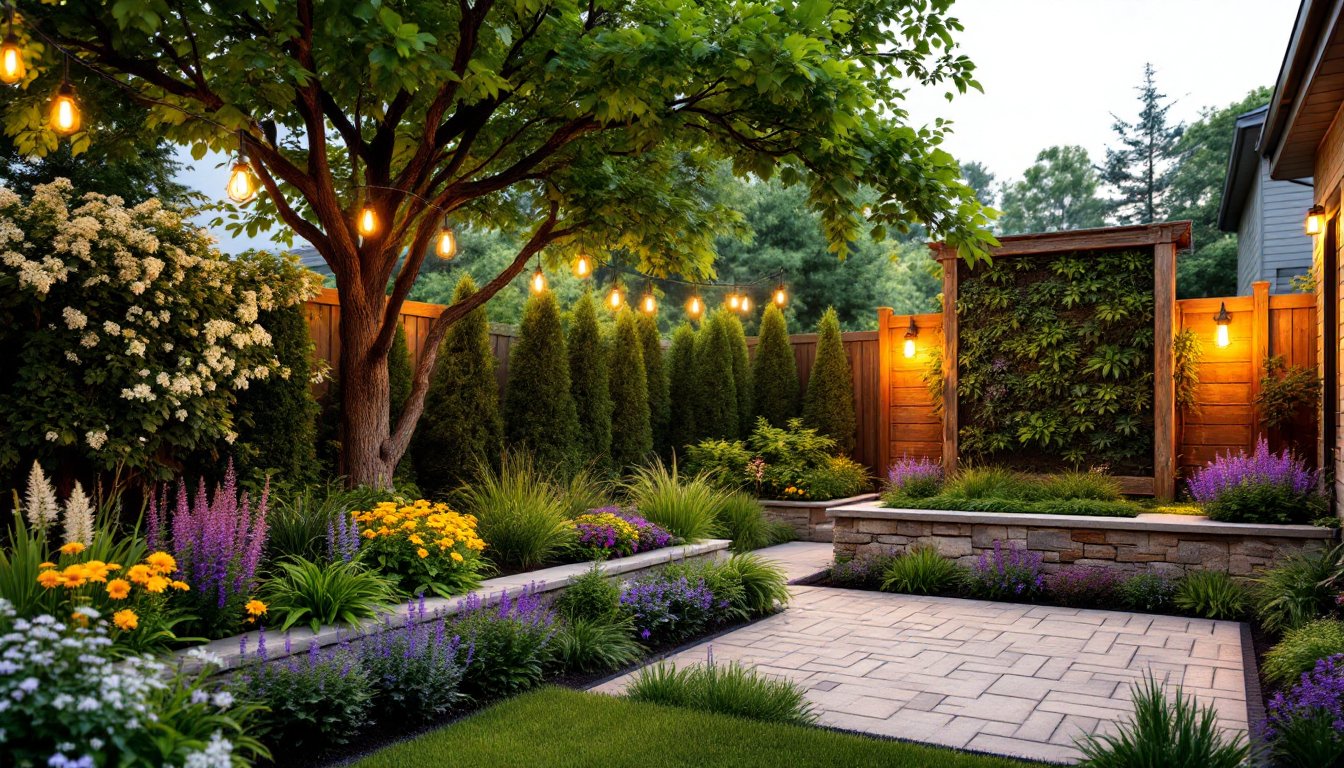
Florida’s climate is a double-edged sword for landscaping. The year-round growing season means endless possibilities, but also relentless sun, torrential rain, and sandy soil that drains faster than a sieve. A front yard here can’t just look good, it needs to survive hurricanes, heat waves, and the occasional freeze. The good news? With the right plant choices, hardscaping, and design strategy, homeowners can create a low-maintenance, high-impact landscape that thrives in the Sunshine State’s unique conditions. This guide walks through practical solutions for turning a Florida front yard into a resilient, beautiful space that stands up to the elements.
Table of Contents
ToggleKey Takeaways
- Florida front yard landscaping ideas should prioritize drought-tolerant native plants like coontie, firebush, and muhly grass that survive the state’s intense sun, sandy soil, and water restrictions without excessive maintenance.
- Hurricane-resistant trees such as live oaks and sabal palms provide essential shade and wind protection while requiring minimal care, but should be planted at least 10 feet from structures to prevent foundation damage.
- Hardscaping elements like permeable pavers, dry creek beds, and crushed shell pathways manage Florida’s heavy rainfall and poor drainage while reducing the need for ongoing plant maintenance.
- Ground covers and mulch alternatives eliminate costly, water-intensive grass lawns and can be established affordably through propagation from cuttings or purchasing discounted nursery clearance plants.
- Salt-tolerant species like saw palmetto and sea grape are essential for coastal Florida properties, protecting landscaping from wind-borne salt damage near the ocean.
- Phasing landscaping projects and sourcing materials locally allows DIY homeowners to create beautiful, resilient yards on a budget while working with—rather than against—Florida’s unique climate challenges.
Understanding Florida’s Unique Landscaping Challenges
Florida’s landscaping demands differ wildly from the rest of the country. USDA hardiness zones 8 through 11 cover the state, meaning tropical and subtropical plants thrive, but temperate favorites often struggle.
Sandy, alkaline soil is the norm across most of the state. It drains quickly, which prevents root rot but also leaches nutrients. Amendments like compost and organic matter help, but homeowners need to choose plants adapted to these conditions rather than fighting them.
Salt spray is a real issue for coastal properties. Even a few miles inland, wind-borne salt can damage sensitive foliage. Opt for salt-tolerant species like saw palmetto, coontie, and sea grape if the property is anywhere near the coast.
Intense sun and heat mean irrigation is non-negotiable for most landscapes, but Florida’s periodic water restrictions and rising water costs make drought-tolerant design a smart move. Pair that with the state’s heavy rainstorms and poor drainage in some areas, and the goal becomes finding plants that handle both extremes.
Finally, pests and invasive species are relentless. Fire ants, chinch bugs, and non-native plants like melaleuca and Brazilian pepper can take over if left unchecked. Stick to native or well-adapted species to reduce pest pressure and avoid contributing to the invasive plant problem.
Drought-Tolerant Plants Perfect for Florida Front Yards
The smartest Florida landscapes lean on plants that need little water once established. These aren’t desert cacti, they’re lush, colorful, and perfectly suited to the state’s climate.
Coontie (Zamia integrifolia) is a native cycad that looks like a miniature palm. It’s extremely drought-tolerant, pest-resistant, and thrives in full sun or shade. Use it as a foundation plant or mass it for texture.
Muhly grass (Muhlenbergia capillaris) delivers big visual impact with minimal care. Its airy pink plumes appear in fall, and it tolerates both drought and occasional flooding. Plant it in drifts for a naturalistic look or as a border along walkways.
Firebush (Hamelia patens) is a Florida native that attracts hummingbirds and butterflies with tubular red-orange flowers. It blooms year-round in South Florida and dies back in winter further north, returning each spring. It handles full sun and poor soil without complaint.
Simpson’s stopper (Myrcianthes fragrans) is an evergreen shrub with fragrant white flowers and edible berries. It works as a hedge, screen, or specimen plant and tolerates salt spray. It’s also a larval host for several butterfly species.
For ground-level interest, beach sunflower (Helianthus debilis) spreads quickly and blooms nearly year-round with bright yellow flowers. It’s ideal for sunny, sandy areas where traditional grass struggles. Homeowners looking for more foundational planting knowledge can start with these easy, forgiving species.
Creating Shade and Privacy with Strategic Tree Placement
Trees do more than provide shade, they lower cooling costs, buffer wind, and define property lines. But Florida’s hurricanes and afternoon thunderstorms mean choosing wind-resistant species is critical.
Live oak (Quercus virginiana) is the gold standard. Its deep root system and flexible branches make it one of the most hurricane-resistant trees in the state. Mature specimens provide massive shade canopies, but they need space, 40 to 60 feet at maturity.
Sabal palm (Sabal palmetto), Florida’s state tree, is equally tough. Its lack of a broad canopy means less wind resistance, and it tolerates salt, drought, and poor soil. Plant it in groups for vertical interest or as a single specimen near the entry.
Crape myrtle (Lagerstroemia indica) offers multi-season interest with summer blooms, fall foliage, and attractive bark. It’s not native, but it’s well-adapted and thrives in full sun. Choose mildew-resistant cultivars and plant them 10 to 15 feet apart for privacy screening.
Avoid planting large trees near driveways, sidewalks, or foundations. Root systems can buckle concrete and destabilize structures. Keep trees at least 10 feet from the house and consider mature spread when spacing.
For front yards with overhead power lines, stick to small trees like Walter’s viburnum or dwarf yaupon holly to avoid future conflicts with utility companies. Always check with local utilities before planting, some offer free tree programs with guidelines.
Low-Maintenance Ground Cover and Mulching Solutions
Florida lawns are a water and maintenance sinkhole. Ground covers and mulch offer alternatives that reduce mowing, irrigation, and chemical inputs.
Sunshine mimosa (Mimosa strigillosa) is a native ground cover that spreads via runners, forming a dense mat with pink puffball flowers. It tolerates foot traffic, fixes nitrogen in the soil, and stays green year-round in South Florida. It’s ideal for areas where traditional grass struggles.
Perennial peanut (Arachis glabrata) is another nitrogen-fixer with yellow flowers and a deep root system. Once established, it needs mowing only once or twice a year and survives on rainfall alone in most of Florida.
Asiatic jasmine (Trachelospermum asiaticum) is a dense, low-growing vine that works well in shaded areas under trees. It’s not native, but it’s non-invasive and requires minimal care. Mow it annually to keep it tidy.
For mulch, pine bark or melaleuca mulch is widely available and affordable. Apply a 2 to 3-inch layer to suppress weeds, retain moisture, and moderate soil temperature. Avoid dyed mulches, they often contain recycled wood waste and can introduce contaminants.
Pine straw is another option, especially for acid-loving plants like azaleas. It’s lightweight, affordable, and breaks down more slowly than wood chips. Refresh mulch annually to maintain depth and appearance, and keep it 3 inches away from plant stems and tree trunks to prevent rot and pest issues.
Incorporating Hardscaping Elements for Year-Round Beauty
Hardscaping provides structure and reduces the plant maintenance load. In Florida, it also helps manage drainage and keeps landscapes functional during the rainy season.
Permeable pavers are ideal for driveways, walkways, and patios. They allow rainwater to soak through rather than running off, reducing erosion and pooling. Homeowners interested in upgrading their driveway will find pavers both functional and attractive. Install them over a gravel base for stability and proper drainage.
Crushed shell or gravel pathways offer a low-cost, low-maintenance alternative to concrete. They’re especially fitting for coastal or cottage-style landscapes. Edge them with steel or aluminum landscape edging to prevent spreading.
Dry creek beds solve drainage problems while adding visual interest. Line a shallow trench with landscape fabric, then fill it with river rock or cobbles. Direct downspouts and runoff into the bed to prevent standing water and soil erosion.
Raised planting beds improve drainage in low-lying areas and make it easier to amend soil. Build them with pressure-treated lumber, concrete blocks, or composite materials. Avoid railroad ties, they’re treated with creosote, which can leach into soil.
Decorative boulders anchor plantings and add scale. Choose limestone or coral rock for a natural Florida look. Place them in odd-numbered groupings and partially bury them for a more organic appearance.
Budget-Friendly Florida Landscaping Tips for DIY Homeowners
Curb appeal doesn’t require a blank check. Smart planning and DIY labor can stretch a landscaping budget surprisingly far.
Start small and phase the project. Tackle one area, like the entry or a focal planting bed, rather than trying to landscape the entire yard at once. This spreads costs over time and lets homeowners learn what thrives before investing heavily.
Buy plants at the right time. Nurseries often discount inventory at the end of the growing season. In Florida, that’s late fall and early winter for many species. Clearance plants may look rough, but they’ll recover with proper care.
Propagate from cuttings or divisions. Many Florida-friendly plants like firebush, pentas, and society garlic root easily from cuttings. Ask neighbors or local gardening groups for starts, most experienced gardeners are happy to share.
Use mulch and ground covers instead of sod. St. Augustine or Bahia sod runs $0.30 to $0.50 per square foot installed, plus ongoing irrigation and mowing costs. Ground covers and mulched beds cost less upfront and require far less maintenance.
Source hardscaping materials locally. Coral rock, shell, and reclaimed pavers are often cheaper when sourced from local suppliers rather than big-box stores. Check Craigslist, Facebook Marketplace, or salvage yards for deals on stone and edging.
DIY the labor, but rent the right tools. A sod cutter (about $90/day rental) makes removing grass far easier than a shovel. A plate compactor (around $70/day) is essential for properly installing pavers. Rent tools for a weekend and knock out the heavy work. Regional design ideas from subtropical gardens can inspire creative, low-cost solutions.
Homeowners interested in functional beauty might explore edible landscaping options, combining herbs, citrus, and ornamentals for a front yard that’s both productive and attractive.
Conclusion
Florida front yards don’t have to be high-maintenance or generic. By choosing drought-tolerant natives, managing drainage with smart hardscaping, and phasing projects to fit a budget, homeowners can create landscapes that thrive in the state’s challenging climate. The key is working with Florida’s conditions, not against them, and prioritizing resilience over perfection.