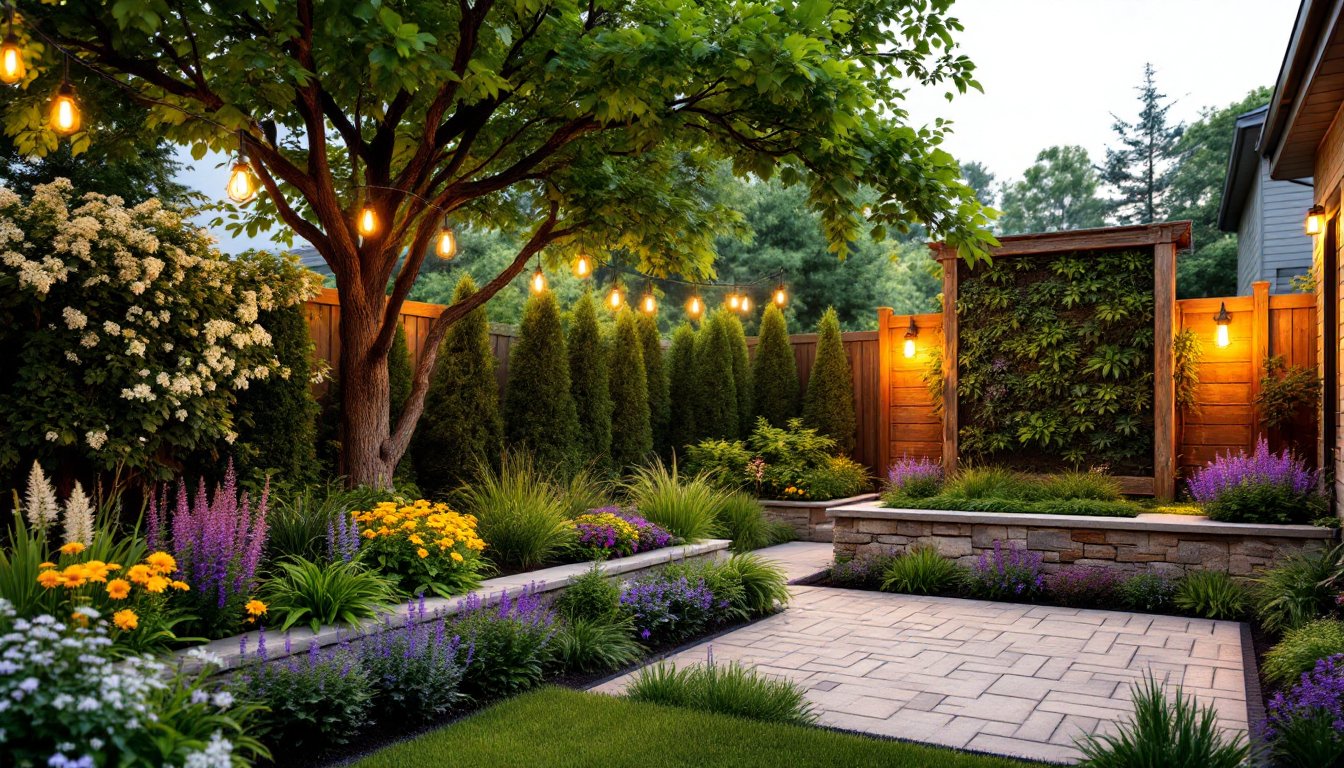
A modern front yard doesn’t scream for attention, it commands it quietly. Sharp angles, restrained plantings, and intentional hardscaping create a look that’s architectural, not accidental. Whether dealing with a narrow lot or a sprawling suburban spread, the principles are the same: edit ruthlessly, emphasize structure, and let materials do the talking. This approach works particularly well for homeowners who want low-maintenance curb appeal without sacrificing visual impact. With the right plants, materials, and layout, even a weekend DIYer can achieve a designer-worthy entrance.
Table of Contents
ToggleKey Takeaways
- Modern front yard landscaping emphasizes clean lines, geometric forms, and neutral color palettes over ornamental excess, creating low-maintenance curb appeal through intentional hardscaping and restrained plant choices.
- Hardscaping should cover 40-60% of a modern front yard design, with poured concrete, pavers, and crushed rock providing both functionality and a polished architectural aesthetic.
- Mass plantings of a single species, such as ornamental grasses or succulents, create more visual impact and simplify maintenance than diversity of different shrubs and flowers.
- Metal landscape edging (aluminum or steel) maintains crisp borders better than plastic, while commercial-grade landscape fabric (4-6 oz minimum) prevents weeds beneath rock or mulch.
- Budget-friendly DIY projects like gravel pathways, cinder block planters, and mulch bed conversions to rock allow homeowners to achieve designer-quality modern landscaping without hiring a contractor.
- Modern landscaping rewards restraint and intentionality—trading lawn for hardscaping and seasonal color for structural evergreens reduces maintenance while increasing visual impact.
What Defines Modern Front Yard Landscaping?
Modern landscaping strips away the ornamental excess that defined traditional yards. No fussy flower beds, no hedge mazes, no Victorian garden gnomes. Instead, it emphasizes geometric forms, repetition, and negative space, the intentional gaps between plantings that let the eye rest.
Materials matter more than plant count. Concrete pavers, corten steel edging, and crushed granite appear frequently. So do large-format tiles, gravel beds, and poured concrete with exposed aggregate. These aren’t budget choices necessarily, but they telegraph permanence and precision.
Color palettes lean neutral. Grays, blacks, whites, and earth tones dominate, with greenery providing the primary color variation. Flowering plants appear sparingly, usually as a single accent species rather than a mixed border. Think massed Mexican sage or a grove of ornamental grasses, not a cottage garden riot.
Symmetry isn’t required, but visual balance is. A large boulder on one side might balance a cluster of vertical grasses on the other. The composition feels deliberate, not haphazard.
Key Elements of Modern Landscape Design
Clean Lines and Minimalist Plantings
Modern yards favor mass plantings over diversity. Five identical ornamental grasses make more impact than five different shrubs. This repetition creates rhythm and simplifies maintenance, pruning one species is easier than juggling five.
Plant placement follows grids or strong diagonal lines. Avoid curves unless they’re perfect arcs. Edge beds with aluminum or steel landscape edging (available in 1/8-inch and 1/4-inch thicknesses) to maintain crisp borders. Plastic edging flexes and looks cheap: metal holds a line.
Ground covers replace lawns in many designs. Dymondia margaretae, creeping thyme, or fine fescue blends work well in moderate climates. In arid regions, decomposed granite (DG) or 3/8-inch crushed rock eliminates irrigation entirely. The key detail: install landscape fabric rated for commercial use (4-6 oz per square yard minimum) beneath rock to suppress weeds.
Pruning discipline is non-negotiable. Shrubs maintain their natural form, no shearing into meatballs. If using landscape care tips to sustain this approach, regular selective pruning beats seasonal hacking.
Hardscaping and Architectural Features
Hardscaping often covers 40-60% of a modern front yard. That’s not lazy landscaping, it’s functional design. Patios, walkways, and seating areas define zones while reducing water use.
Poured concrete works well when finished properly. A broom finish adds traction: exposed aggregate reveals stone and adds texture. For a bolder look, consider board-formed concrete, where wooden planks leave horizontal grain patterns in the surface. This requires careful formwork, use kiln-dried 1×6 boards clamped tight to prevent bleed-through.
Pavers offer more flexibility. Porcelain pavers (typically 24×24 inches or larger) mimic natural stone but install on sand or pedestal systems without mortar. They’re thinner than concrete pavers (usually 3/4 inch vs. 2-3 inches) but don’t sacrifice strength.
Vertical elements add drama. Gabion walls filled with river rock, steel planters with sharp corners, or simple wood slat fencing (think 1×4 or 1×6 cedar spaced 2 inches apart) work well. Skip the decorative ironwork unless it’s truly minimalist.
Lighting extends usability and highlights form. Recessed step lights, uplighting for specimen trees, and low-voltage path lights are standard. Run 12-gauge landscape wire for longer runs to minimize voltage drop. Most fixtures use LEDs rated at 3-7 watts.
Choosing the Right Plants for a Contemporary Look
Plant selection in modern design prioritizes form over flower. Architectural plants with strong silhouettes, spiky, mounding, or columnar, anchor the design. Color is secondary.
Grasses are workhorses. Miscanthus sinensis ‘Gracillimus’ grows 5-6 feet tall with a fountain shape. Pennisetum setaceum ‘Rubrum’ (purple fountain grass) adds burgundy tones. Calamagrostis x acutiflora ‘Karl Foerster’ stays upright year-round and tolerates clay soil. Space them 24-36 inches on center for full coverage in two seasons.
Succulents fit naturally into modern palettes. Agave americana creates bold focal points but spreads 6-8 feet wide at maturity, don’t crowd it. Aeonium arboreum ‘Zwartkop’ offers near-black rosettes. Senecio serpens (blue chalksticks) provides low, spreading texture. Many regions showcased in drought-tolerant front yards rely heavily on succulents for year-round structure.
Evergreen shrubs maintain winter interest. Buxus microphylla japonica (Japanese boxwood) tolerates shearing better than English varieties and resists boxwood blight in many regions. Ilex crenata (Japanese holly) mimics boxwood but grows faster. Pittosporum tenuifolium adds fine-textured foliage in zones 9-10.
Trees should offer architectural interest, not just shade. Ginkgo biloba ‘Princeton Sentry’ grows columnar (great for narrow lots). Parrotia persica (Persian ironwood) has exfoliating bark and horizontal branching. Cercis canadensis ‘Forest Pansy’ combines purple foliage with springtime bloom along bare branches.
Avoid foundation plantings that hide the house. Modern design reveals architecture. If bare walls feel stark, add one or two statement plants, not a hedge.
For beginners looking to understand plant spacing and layout basics, landscaping for beginners resources cover the fundamentals before tackling a full redesign.
Budget-Friendly DIY Modern Landscaping Projects
Modern doesn’t mean expensive, it means intentional. Here’s where DIYers can make real progress without hiring a landscape contractor.
Gravel pathways rank among the easiest installs. Excavate 4 inches deep, compact the soil with a hand tamper (rent a plate compactor for areas over 200 square feet), lay landscape fabric, add 2 inches of 3/4-inch base rock, and top with 2 inches of 3/8-inch decorative gravel. Edge with steel or aluminum landscape edging anchored every 3-4 feet with 10-inch stakes. Total material cost for a 3×20-foot path runs $150-$250 depending on gravel choice.
Raised planters built from cinder blocks require zero mortar. Stack 8x8x16-inch concrete blocks in staggered rows (like bricks), fill the cores with soil, and plant succulents or grasses in the voids. A 4-foot-long, two-block-high planter uses roughly 24 blocks at $2-3 each. Spray-paint them matte black or charcoal gray for a sleeker look (use Rust-Oleum Universal or similar, covers about 15 square feet per can).
Poured concrete borders add definition at lower cost than pavers. Dig a trench 6 inches wide and 4 inches deep, set 2×6 forms on both sides, and pour quikrete (one 80-pound bag covers about 0.6 cubic feet). Finish with a steel trowel for smooth edges. Wait 24-48 hours before removing forms. This works well along driveway landscaping zones where clean edges matter.
Mulch bed conversions from organic mulch to rock instantly modernize a yard. Remove existing bark mulch (it decomposes and mixes with rock otherwise), install fresh landscape fabric, and spread 3/8-inch or 3/4-inch crushed rock 2-3 inches deep. Coverage: one cubic yard covers roughly 100 square feet at 3 inches. Most landscape suppliers deliver for $50-$75 within 10 miles.
Painted accent walls transform bland stucco or siding. Choose a single exterior wall (preferably one visible from the street) and paint it a bold, matte color, charcoal, deep blue, or black. Use Behr Marquee Exterior or Sherwin-Williams Emerald Exterior for durability (covers 250-400 square feet per gallon). A 10×8-foot wall needs one gallon plus primer.
Irrigation upgrades improve efficiency without trenching. Convert spray heads to drip irrigation on a zone-by-zone basis. One conversion kit (about $40) includes a pressure regulator, filter, and 50 feet of 1/4-inch tubing. This approach aligns well with landscape water management strategies that reduce runoff and overwatering.
Avoid the temptation to DIY electrical work for low-voltage lighting unless comfortable with basic wiring. Most codes allow low-voltage installs (under 30 volts) without permits, but connections must be waterproof. Use silicone-filled wire nuts (not standard twist-ons) and bury wire 6 inches deep in conduit if crossing walkways.
Conclusion
Modern landscaping rewards restraint. A well-edited plant list, quality materials, and strong lines create more impact than busy beds ever could. Homeowners willing to trade lawn for hardscaping and annual color for structural evergreens will find maintenance drops while visual appeal climbs. Start with one zone, a pathway, a planter, or a redefined bed, and expand as budget and ambition allow.