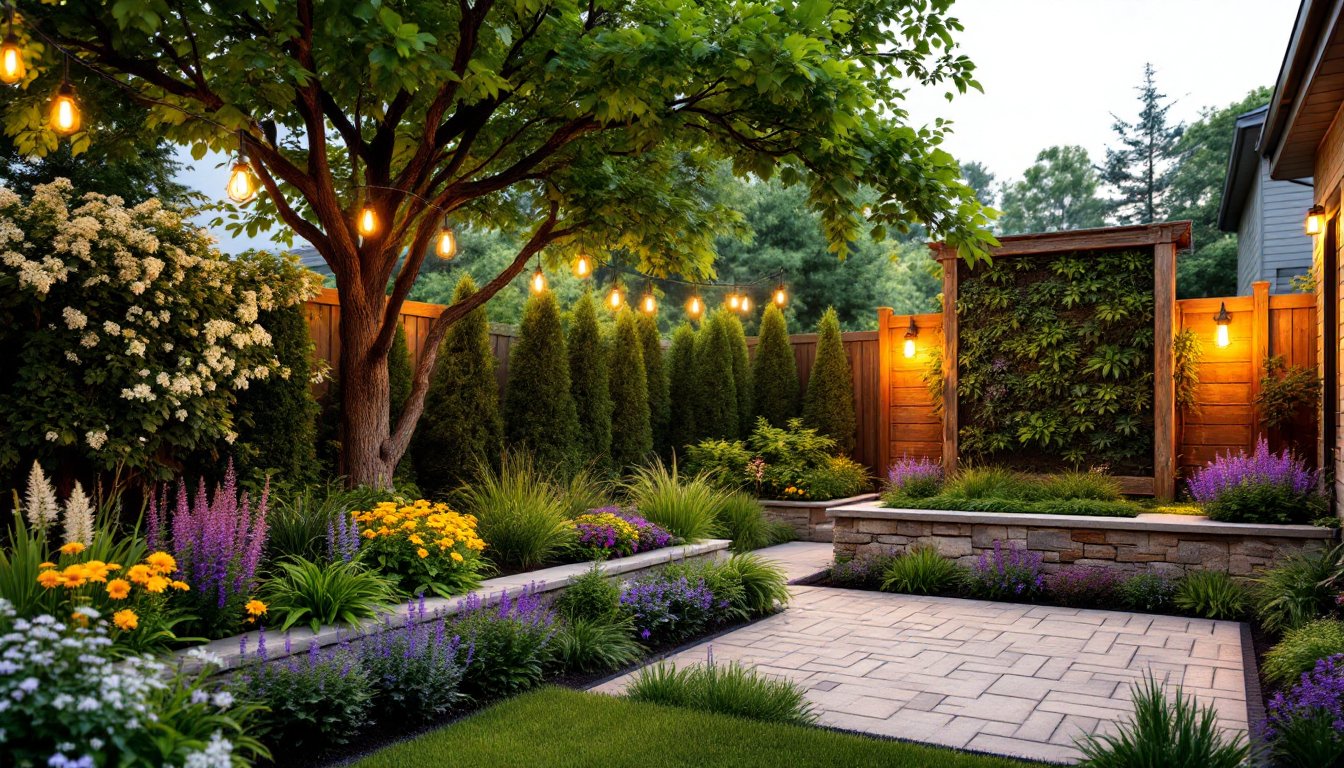
Tired of mowing, edging, and watering a lawn that never quite looks right? You’re not alone. Grass-free front yards are gaining traction across North America, and they’re not just for water-conscious desert dwellers anymore. From New England to the Pacific Northwest, homeowners are ditching turf in favor of landscapes that require less water, fewer chemicals, and far less weekend labor. The payoff? A front yard with personality, lower utility bills, and more time to enjoy your outdoor space instead of maintaining it.
Table of Contents
ToggleKey Takeaways
- Front yard landscaping without grass reduces maintenance by 50% or more while cutting water consumption, chemical use, and weekly mowing responsibilities.
- Ground covers like creeping thyme, clover, and sedums offer texture and visual interest while requiring minimal upkeep once established in your no-grass yard.
- Hardscaping options including decomposed granite, permeable pavers, and gravel provide low-maintenance surfaces that handle foot traffic and comply with stormwater regulations.
- Xeriscaping designs maximize efficiency by grouping plants by water needs and using native species suited to your region’s climate.
- Layered plant beds with focal points, odd-numbered clusters, and texture contrast create year-round visual depth without relying on lawn monoculture.
- Seasonal maintenance tasks like weeding, mulch replenishment, and pruning replace weekly mowing, freeing up weekend time and lowering utility bills over the long term.
Why Choose a No-Grass Front Yard?
Traditional lawns demand consistent watering, typically 1 to 1.5 inches per week during growing season. In drought-prone regions, that’s not just expensive: it’s increasingly restricted. Many municipalities now limit lawn watering or charge tiered rates that penalize high consumption.
Beyond water use, grass requires fertilizer (usually three to four applications annually), herbicides, pest control, and weekly mowing. Each pass with a gas mower emits as much pollution in an hour as driving a car roughly 100 miles, depending on engine type. Electric mowers help, but you’re still spending time and energy on a monoculture that offers little biodiversity.
Grass-free designs can reduce maintenance by 50% or more once established. They also open up creative possibilities, texture, color, seasonal interest, that a flat green carpet can’t match. If your yard gets heavy shade, slopes steeply, or has thin, compacted soil, eliminating grass solves chronic problem areas instead of fighting them.
Check local codes before you start. Some HOAs and municipalities have requirements for front-yard vegetation coverage or restrictions on hardscaping percentages. Most permit grass alternatives as long as the landscape stays neat and doesn’t create erosion or drainage issues.
Ground Cover Alternatives That Outshine Grass
Low-growing ground covers provide the visual continuity of a lawn without the upkeep. Creeping thyme (Thymus serpyllum) tolerates foot traffic, stays under three inches tall, and releases fragrance when stepped on. It thrives in full sun and well-drained soil, making it ideal for pathways or between pavers.
Clover (Trifolium repens) was once a standard lawn component before synthetic herbicides made monoculture grass the norm. It fixes nitrogen, stays green with minimal water, and attracts pollinators. White clover is the most common, but microclover varieties grow even lower and denser.
Sedum species (stonecrop) work well in hot, dry climates. Varieties like Sedum acre or Sedum album form thick mats that choke out weeds and require almost no irrigation once established. They’re not suitable for heavy foot traffic but excel on slopes or in areas with poor soil.
For shade, try Pachysandra or Ajuga reptans (bugleweed). Both spread via runners and tolerate dense canopy cover where grass struggles. Ajuga offers purple flower spikes in spring and bronze-toned foliage options.
Prep is critical for ground covers. Remove existing grass and weeds completely, solarizing with clear plastic for six to eight weeks in summer works without chemicals. Amend soil if needed (most ground covers prefer well-drained conditions), then plant plugs or divisions on 6- to 12-inch centers depending on species. Mulch between plants and water regularly for the first season. Full coverage typically takes one to two years.
Hardscaping Solutions for Grass-Free Front Yards
Hardscaping eliminates organic maintenance entirely. Decomposed granite (DG) is a popular choice in California and the Southwest, it compacts into a firm, permeable surface that handles foot traffic and comes in warm earth tones. Stabilized DG includes a binder that reduces migration and rut formation. Expect to install a 3- to 4-inch compacted base over landscape fabric.
Permeable pavers allow rainwater infiltration while providing defined walkways, patios, or even parking areas. Concrete grid pavers can be filled with gravel or low ground covers. Standard installation requires a 4- to 6-inch gravel base, a 1-inch sand bed, then pavers with polymeric sand or gravel joints. Check local stormwater regulations, many jurisdictions now encourage or require permeable surfaces to reduce runoff.
Gravel is budget-friendly and comes in countless sizes and colors. Pea gravel (¼- to ⅜-inch) is comfortable underfoot: ¾-inch crushed stone locks together better for driveways. Always use landscape fabric underneath to suppress weeds, and install metal or plastic edging to contain migration. A 2- to 3-inch layer is typical for pathways: increase to 4 inches for vehicle traffic.
For a more polished look, consider <a href="https://hearthlinedesigns.com/driveway-landscaping/”>driveway landscaping techniques that combine pavers, plantings, and lighting. This creates clear circulation paths while leaving room for drought-tolerant accents.
Flagstone or slate set in sand or gravel offers a natural aesthetic. Pieces range from 1 to 3 inches thick: irregular shapes create an organic feel. Joint spacing of ½ to 2 inches allows for creeping ground covers like thyme or moss.
Hardscaping isn’t zero-maintenance. Gravel needs periodic raking and top-dressing. Weeds will find any gap in fabric or joints. Permeable surfaces require occasional sweeping or vacuuming to prevent sediment from clogging pores.
Desert and Xeriscaping Designs
Xeriscaping isn’t just cactus and rocks, it’s a design philosophy that groups plants by water needs and maximizes efficiency. The core principle: put high-water plants in small, targeted zones (near downspouts or hose bibs) and fill the rest with low-water species.
Start with a soil test. Many arid-region soils are alkaline and low in organic matter. Amending with compost improves structure, but don’t overdo it, desert natives often prefer lean conditions. For heavy clay, add gypsum to improve drainage without altering pH.
Native plants are the backbone of successful xeriscaping. In the Southwest, that means agave, yucca, penstemon, and sage species. Great Plains landscapes might use buffalo grass alternatives, prairie dropseed, or Russian sage. Pacific Northwest gardeners can lean on manzanita, ceanothus, and Pacific wax myrtle. Consult your local Cooperative Extension for region-specific recommendations.
Mulch heavily, 3 to 4 inches of shredded bark, wood chips, or rock mulch reduces evaporation and moderates soil temperature. In desert settings, decomposed granite or ¾-inch crushed stone reflects heat and suits the aesthetic. Organic mulches decompose faster in hot climates but improve soil over time.
Drip irrigation is far more efficient than sprinklers. A basic zone for a 500-square-foot front bed might include ½-inch polyethylene tubing, pressure-compensating emitters (1 to 2 GPH), and a battery-operated timer. Run lines under mulch and stake them to prevent shifting. Water deeply but infrequently, established xeriscapes often need irrigation only every 10 to 14 days in summer, less in cooler months.
Accent boulders, dry creek beds, and decorative aggregates add visual interest without water. A dry streambed can also function as a drainage swale, directing runoff away from foundations. Use a mix of boulder sizes (some over 200 pounds for stability) and nestle them partially into the ground for a natural look.
Creating Visual Interest with Layered Plant Beds
A grass-free yard needs structure and depth to avoid looking bare. Think in layers: canopy trees (if space allows), understory shrubs, perennials, ground covers, and hardscaping accents.
Start with a focal point, a specimen tree, a large boulder, or an architectural shrub like a Japanese maple or contorted filbert. This anchors the design and gives the eye a place to land. In smaller yards, a large ornamental grass like Miscanthus or a multi-trunk shrub works.
Group plants in odd-numbered clusters (threes, fives, sevens) rather than lining them up like soldiers. Repeat key species in different areas to create rhythm. For example, if you use lavender near the walkway, echo it in a side bed.
Texture contrast matters as much as color. Pair fine, feathery foliage (ferns, threadleaf coreopsis) with bold, structural leaves (hosta, bergenia). Mix upright forms (salvia, agastache) with mounding or spreading habits (catmint, geranium).
For year-round interest, include evergreens (boxwood, holly, juniper) and plants with strong winter structure (ornamental grasses, sedums with persistent seed heads). In cold climates, consider shrubs with colorful stems like red-twig dogwood or yellow-twig willow.
Edging defines beds and keeps mulch in place. Options include steel (clean, modern, long-lasting), plastic (budget-friendly, less visible), brick, or stone. Install edging 1 inch below final mulch height so it’s not a trip hazard.
If you’re new to plant selection, edible landscaping can combine beauty and function. Blueberries, dwarf fruit trees, and herbs like rosemary or thyme thrive in front yards and offer seasonal harvests.
Maintenance Tips for Your Grass-Free Landscape
No grass doesn’t mean no work, but the tasks shift from weekly mowing to seasonal tune-ups. Here’s what to expect:
Weeding is your primary chore, especially in the first two years. Hand-pull when soil is moist, or use a hoe for larger areas. Pre-emergent herbicides (like corn gluten meal for organic approaches) can reduce germination, but they also affect desirable seeds, avoid them if you’re establishing ground covers from seed.
Mulch replenishment happens annually or biannually. Organic mulches decompose: plan to add 1 to 2 inches each spring. Rake old mulch to loosen it before top-dressing.
Pruning keeps shrubs and perennials in bounds. Most woody plants need shaping once a year: spring-blooming shrubs get pruned right after flowering, summer bloomers in late winter. Perennials benefit from deadheading and a hard cut-back in fall or early spring.
Irrigation adjustments are seasonal. Even drought-tolerant plants need weekly water during establishment (first year). After that, taper off. In winter, most systems can be shut down entirely. Blow out drip lines in cold climates to prevent freeze damage.
Edging and trimming maintain crisp lines. Use a half-moon edger or a string trimmer to redefine bed borders twice a year. Hardscaping joints may need weeding or re-sanding.
Apply landscape care tips consistently and your front yard will mature into a self-sustaining ecosystem. Healthy soil, proper plant selection, and smart design reduce inputs over time.
Pest and disease issues are less common in diverse plantings than in monoculture lawns, but they happen. Inspect plants regularly. Remove affected foliage, encourage beneficial insects (ladybugs, lacewings), and avoid broad-spectrum pesticides that disrupt the ecosystem.
Conclusion
Eliminating grass from the front yard isn’t a passing trend, it’s a practical response to water scarcity, maintenance fatigue, and a growing desire for landscapes that do more than just sit there looking green. Whether the goal is a pollinator haven, a desert showcase, or a hardscaped entertaining space, the alternatives outperform turf in function, beauty, and long-term value. The upfront effort pays off in lower bills, fewer weekends chained to a mower, and a yard that evolves with the seasons instead of demanding the same routine year after year.