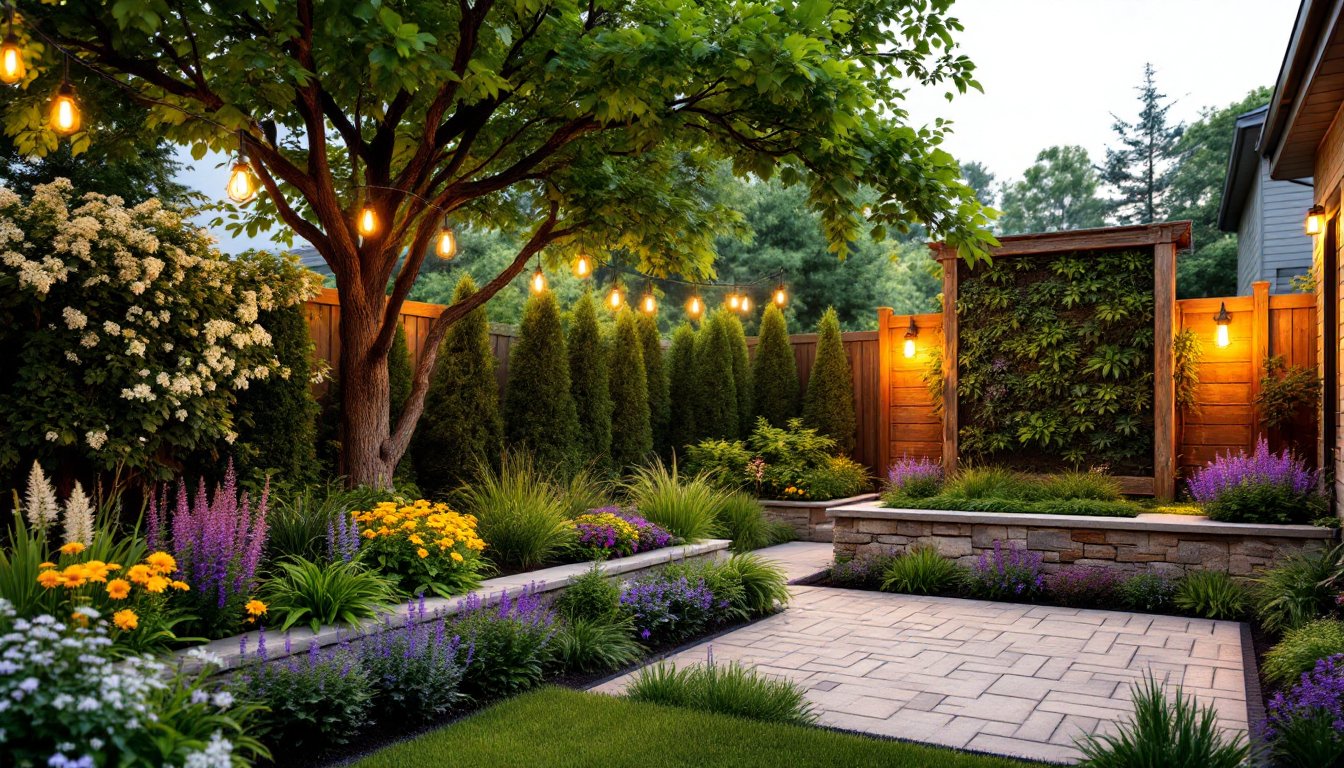
Backyard corners where fences meet are easy to overlook. They collect leaves, gather garden hoses, and turn into dead zones nobody uses. But these awkward angles actually offer some of the best opportunities for adding character and function to a yard. With the right approach, a corner fence becomes a vertical canvas, an intimate retreat, or a layered planting bed that draws the eye instead of collecting junk. Whether the goal is privacy, visual interest, or a productive growing space, corner landscaping works harder than it looks, and doesn’t require a landscape architect’s budget to pull off.
Table of Contents
ToggleKey Takeaways
- Backyard corner fence landscaping ideas transform overlooked spaces into functional retreats by combining vertical gardens, layered plantings, or seating areas that add character and usable square footage.
- Proper drainage and soil preparation are critical—check for standing water after rain and raise planting beds 4–6 inches with amended soil to prevent erosion and root problems.
- Vertical solutions like trellis-mounted planters and climbing vines maximize growing space in tight corners without expanding the footprint, with drip irrigation providing efficient watering.
- Layered planting designs using taller anchor plants, mid-level perennials, and low-growing ground covers create visual depth and prevent corners from looking flat or cluttered.
- Water features and focal points—from freestanding fountains to wall-mounted designs—anchor a corner and mask noise while adding movement to static fence lines.
- Native plants, durable shrubs, and automated drip irrigation on timers deliver low-maintenance corners that retain curb appeal year-round without constant deadheading or fertilizing.
Why Corner Fences Deserve Special Attention
Corner fences create natural focal points. They frame views from multiple angles and define boundaries without blocking sightlines the way a flat fence does. But they also trap stagnant air, limit sunlight, and make irrigation tricky.
Treating a corner as an afterthought wastes prime real estate. A well-planned corner can anchor an entire landscape design, hide utilities, or create microclimates for plants that struggle in full sun. Most corners measure between 4 to 8 feet on each side, enough room for tiered plantings, compact seating, or a modest water feature.
Before choosing plants or hardscape, check drainage. Corners often funnel runoff, leading to soggy soil or erosion. If the ground stays wet for more than a day after rain, consider adding a French drain or raising the planting bed with 4–6 inches of amended soil. Also verify property lines, some fence corners sit right on the boundary, and planting too close can cause neighborly friction or HOA violations.
Vertical Garden Solutions for Tight Corner Spaces
When ground space is limited, go vertical. Fence-mounted planters, trellises, and living walls multiply growing area without expanding the footprint.
Trellis panels (commonly 2×8 feet or 4×8 feet) attach directly to fence rails using galvanized or stainless steel screws. Choose rot-resistant cedar or pressure-treated pine rated for ground contact. Train climbing plants like clematis, jasmine, or climbing roses up the trellis. Space plants 12–18 inches apart for adequate air circulation and to prevent mildew.
For edibles, consider a vertical garden with modular pocket planters or a DIY pallet garden. Lettuce, herbs, and strawberries thrive in shallow soil (6–8 inches deep). Ensure the fence can support the added weight, a saturated vertical garden can add 15–25 pounds per square foot. If the fence feels flimsy, reinforce posts with concrete footings or add extra blocking between rails.
Tool tip: A cordless drill with a magnetic bit holder speeds up trellis installation. Use a level to keep panels plumb: even a slight tilt becomes obvious once plants fill in.
Irrigation matters. Drip lines or soaker hoses work better than overhead spray, which promotes fungal issues in dense corner plantings. Run a quarter-inch drip tubing along the trellis frame with emitters every 12 inches.
Creating a Cozy Corner Seating Area
A corner nook with seating turns unused space into a functional retreat. The fence provides natural backing and privacy, cutting down on materials and cost.
Start with a gravel or paver base. Spread 3–4 inches of crushed gravel (¾-inch minus works well) over landscape fabric to prevent weeds. Compact it with a hand tamper or plate compactor. Lay pavers, flagstone, or reclaimed brick on top, leaving ⅜ to ½ inch gaps for polymeric sand.
Built-in benches save space. Frame them with 2×4 or 2×6 pressure-treated lumber and secure to fence posts with galvanized carriage bolts. Add a 2×12 seat cap for comfort. If building against the fence, verify it’s sturdy enough, many vinyl or chain-link fences won’t support a bench without extra bracing.
For a faster setup, use weatherproof outdoor furniture. Adirondack chairs or a compact bistro set fit most corners. Anchor lightweight furniture to prevent tipping in wind: concrete pavers under each leg add stability.
Privacy screening: If the corner feels exposed, add a section of lattice or a freestanding privacy screen. A 4×6 foot cedar lattice panel mounted on posts creates instant seclusion without a building permit in most jurisdictions.
String lights, lanterns, or a small solar spotlight extend usability into evening. Run low-voltage landscape lighting if electrical access exists, following NEC guidelines for outdoor wiring (use GFCI-protected outlets and weatherproof boxes).
Layered Planting Designs for Depth and Interest
Layering plants by height and bloom time prevents corners from looking flat or cluttered. The fence acts as a backdrop for taller specimens, with mid-sized and ground-cover plants stepping forward.
Start with a tall anchor plant near the fence corner: ornamental grasses (like miscanthus or switchgrass), dwarf conifers, or flowering shrubs (hydrangeas, lilacs, or butterfly bush). These should reach 4–6 feet at maturity. Plant them 18–24 inches from the fence to allow air circulation and maintenance access.
Mid-layer plants fill the middle ground. Perennials like black-eyed Susans, daylilies, or salvia work in most zones. Choose varieties with staggered bloom times for season-long color. Space them 12–18 inches apart, accounting for mature spread.
Edge the planting bed with low-growing ground covers or annuals: creeping thyme, sedum, or alyssum. These soften hard edges and suppress weeds.
Soil prep matters. Remove turf and dig out 6–8 inches of soil. Mix in 2–3 inches of compost and, if drainage is poor, add coarse sand or perlite. Mulch the finished bed with 2–3 inches of shredded hardwood or pine bark, replenish annually as it decomposes.
For corners that get partial shade, try hostas, ferns, or astilbe in the mid-layer. Avoid plants that require full sun in shaded corners: they’ll stretch and flop.
Exploring ways to integrate edible plants into ornamental beds adds functionality without sacrificing aesthetics. Blueberry bushes, rhubarb, and even dwarf apple trees layer beautifully with perennials.
Water Features and Focal Points
A water feature anchors a corner and masks street noise. Even a small fountain or bubbler creates movement and sound that enliven a static fence line.
Freestanding fountains (ceramic, resin, or stone) require no plumbing, just fill the reservoir and plug into a GFCI outlet. Look for models with pumps rated for 50–100 gallons per hour (GPH) for gentle flow. Larger fountains need more power and can pull 60–120 watts, so factor that into electrical planning.
For a DIY approach, build a simple pondless waterfall using a preformed basin, submersible pump, and stacked stone or flagstone. Dig a reservoir pit, line it with heavy-duty pond liner, and camouflage the basin with rocks. Run flexible ½ or ¾-inch tubing from the pump to the top of the stone stack. This setup recirculates water, so it’s low-maintenance and safe for yards with kids or pets.
Installation note: Slope tubing slightly downward to prevent air locks. Use silicone sealant on stone joints if leaks occur.
Alternatively, install a wall-mounted fountain directly on the fence. Use stainless steel or brass hardware and ensure the fence can support 25–50 pounds when filled. Attach a backer board (¾-inch exterior plywood) to fence studs if needed.
Non-water focal points also work: a large ceramic urn, a piece of garden art, or a vertical sculpture. Position it off-center for a more natural, less formal look. Balance it with asymmetrical plantings, odd numbers (3 or 5) of plants create better visual rhythm than pairs.
Low-Maintenance Corner Landscaping Options
Not every corner needs weekly deadheading or fertilizing. Strategic plant choices and hardscape reduce upkeep without sacrificing curb appeal.
Native plants adapted to local conditions require less water, fewer amendments, and minimal pest control. Check with a regional extension office or native plant society for species lists. Examples include coneflowers, black-eyed Susans, and native grasses for much of the U.S.
Shrubs over perennials: Evergreen or deciduous shrubs provide structure with less replanting. Boxwood, spirea, or dwarf Alberta spruce stay compact and need only annual pruning. Plant them 24–36 inches apart for a continuous hedge effect.
Mulch and landscape fabric: A thick mulch layer (3 inches minimum) suppresses weeds and retains moisture. Skip landscape fabric under organic mulch in planting beds, it interferes with soil biology. Use it only under gravel or rock in non-planted areas.
Drip irrigation on a timer eliminates hand-watering. A basic drip kit costs $40–$80 and covers up to 100 square feet. Run the main line along the fence base with emitters placed near each plant’s root zone. Set the timer for early morning watering to reduce evaporation and fungal pressure.
Hardscape reduces maintenance further. A corner filled with decorative rock, pavers, or a gravel bed needs only occasional weeding. Edge it with metal or poly landscape edging (6–8 inches deep) to contain materials and block grass encroachment.
Seasonal color without replanting comes from long-blooming perennials and self-seeding annuals. Once established, plants like Russian sage, catmint, or coreopsis return year after year. Many landscape design strategies emphasize plant selection that minimizes labor while maximizing visual impact.
For inspiration on pairing low-maintenance plants with structural elements, resources like Sunset offer regionally tailored guides. Similarly, The Spruce provides detailed care sheets for specific plant varieties and hardscape materials.
Conclusion
Corner fences don’t have to be landscaping dead zones. With vertical gardens, layered plantings, seating nooks, or water features, they become high-impact spaces that punch above their square footage. Start with good drainage, choose plants suited to the light and climate, and don’t skip the prep work, it’s the difference between a corner that thrives and one that limps along. Whether the project takes a weekend or a season, a well-designed corner pays dividends in curb appeal and usable outdoor space.