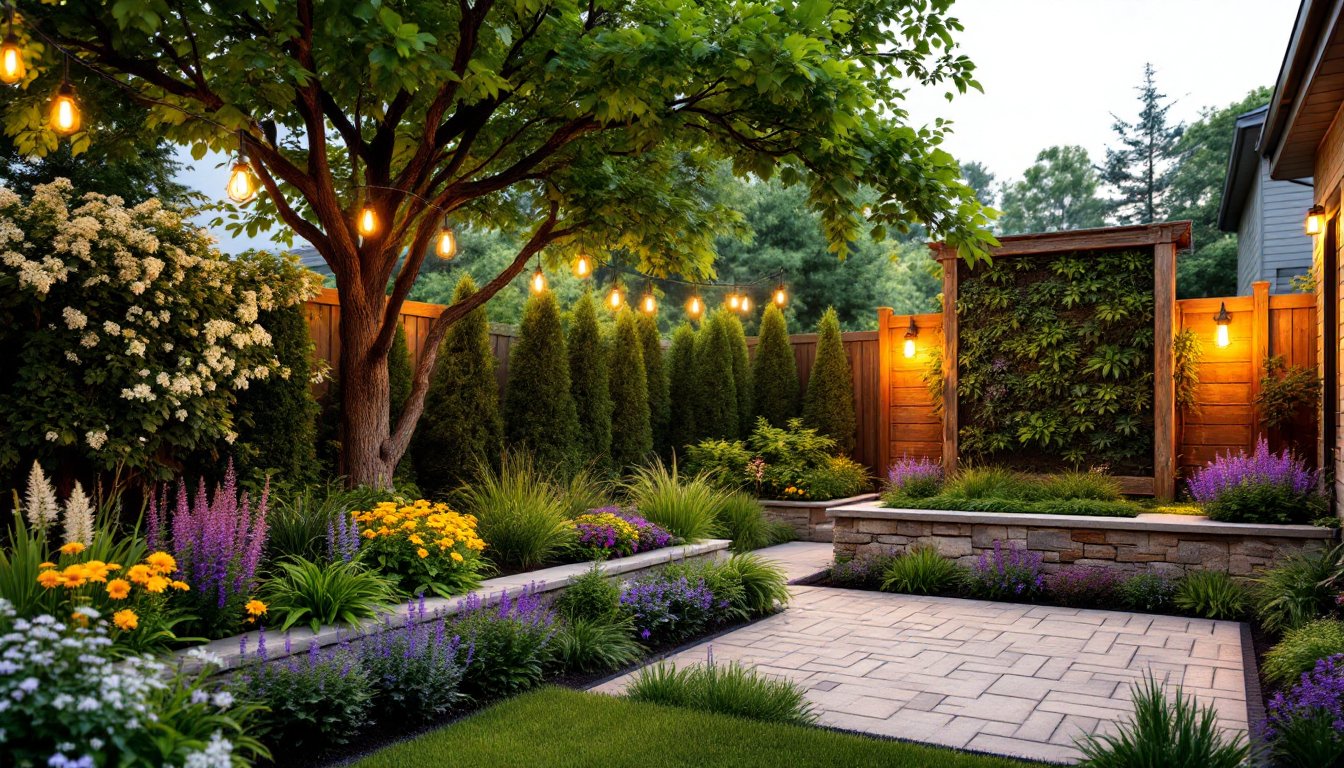
A small front yard doesn’t mean limited potential. When space is tight and terrain slopes or settles unevenly, a retaining wall offers structural support while creating defined planting zones that add depth and visual interest. These walls aren’t just functional, they’re an opportunity to craft layered gardens, introduce color at eye level, and frame your home’s entrance with intentional design. Whether the yard drops toward the street or rises away from the foundation, a well-planned retaining wall can turn a tricky grade into a standout feature that boosts curb appeal and solves drainage headaches at the same time.
Table of Contents
ToggleKey Takeaways
- A small front yard retaining wall transforms sloped terrain into defined planting zones while improving drainage and adding vertical dimension to boost curb appeal.
- Retaining wall material selection—from natural stone and brick to concrete blocks and timber—should balance aesthetics with your home’s style and budget, with concrete blocks being ideal for DIY projects between 2 and 4 feet.
- Proper drainage behind your retaining wall is critical; install gravel backfill and perforated drain pipe to prevent hydrostatic pressure buildup and structural failure.
- Layer plantings with cascading perennials along the top edge, evergreen shrubs for structure, and ornamental grasses for texture to soften the wall and create visual interest without overwhelming a small space.
- Tiered retaining wall designs multiply usable planting area and architectural appeal, but require careful drainage routing between tiers and adequate spacing for maintenance access.
- LED landscape lighting and decorative cap stones elevate your retaining wall design while improving nighttime safety and personalization with house numbers or address plaques.
Why Retaining Walls Are Perfect for Small Front Yards
Small yards amplify design mistakes, but they also reward smart solutions. A retaining wall addresses slope management, erosion control, and usable planting space in one structure. For properties with even a modest grade change, 12 inches or more, a low wall transforms what might be a muddy runoff zone into a tiered bed that holds soil, roots plants securely, and prevents washout during heavy rain.
From a curb appeal standpoint, retaining walls add vertical dimension. Instead of a flat lawn that blends into the sidewalk, a wall creates distinct layers that guide the eye upward toward the house. This layering effect makes small yards feel larger and more deliberate, especially when paired with plantings that spill over the wall’s edge or climb behind it.
Structurally, walls under 3 to 4 feet in height generally don’t require permits in most jurisdictions, though codes vary. Walls taller than that, or those supporting significant load (like a driveway or walkway above), often need engineered plans and inspections. If the slope is steep or the wall will exceed 4 feet, consult a structural engineer or landscape architect before breaking ground. Drainage is non-negotiable, install gravel backfill and perforated drain pipe behind any retaining wall to relieve hydrostatic pressure and prevent failure.
Choosing the Right Materials for Your Front Yard Retaining Wall
Material choice defines both the wall’s look and its longevity. For front yards, aesthetics matter as much as engineering, so select materials that complement the home’s exterior and fit the project’s scale and budget.
Natural Stone and Brick Options
Natural stone, fieldstone, limestone, or granite, delivers a timeless, organic look that weathers gracefully. Dry-stacked stone walls (mortarless) work well for heights up to 2 to 3 feet and allow water to weep through joints naturally, reducing drainage concerns. Building with stone requires patience and a good eye for fit: irregular shapes mean each piece must be placed individually, often with smaller stones shimming gaps for stability. Expect to spend $20 to $40 per square foot for materials and installation if hiring out, or DIY for material-only costs around $8 to $15 per square foot.
Brick offers a more formal, traditional appearance and pairs beautifully with colonial or craftsman-style homes. Use concrete or clay brick rated for outdoor use and freeze-thaw cycles. Mortared brick walls need a concrete footing below the frost line (typically 12 to 36 inches deep, depending on region) to prevent heaving. For a running bond pattern, plan on about 7 bricks per square foot of wall face.
Concrete Blocks and Timber Alternatives
Concrete retaining wall blocks (like Allan Block, Versa-Lok, or similar systems) are the go-to for DIYers tackling walls between 2 and 4 feet. These interlocking units don’t require mortar, stack with built-in setback for stability, and come in textures that mimic natural stone or offer clean, modern lines. A typical 8-inch-high block weighs 30 to 80 pounds, so they’re manageable solo but benefit from a helper on longer runs. Prices range from $3 to $8 per block, with each covering roughly 0.6 to 1 square foot of face. Always start on a leveled, compacted ¾-inch crushed stone base at least 6 inches deep.
Landscape timbers (6×6 or 6×8 pressure-treated lumber) are budget-friendly and faster to install, but they have a shorter lifespan, 10 to 15 years in wet climates, longer in dry regions. Secure timbers with ½-inch rebar driven through pre-drilled holes into the soil and the course below. For front yards visible from the street, consider that timber walls can look utilitarian: staining or pairing them with lush plantings softens the appearance. Material cost runs about $12 to $20 per 8-foot timber.
Creative Planting Ideas to Complement Your Retaining Wall
The wall is the frame: plants bring it to life. For small front yards, choose species that offer year-round interest without overwhelming the space or requiring constant shearing.
Cascading perennials like creeping phlox, candytuft, and trailing rosemary soften hard edges by draping over the wall face. Plant them along the top course so they root into backfill soil and spill downward as they mature. In regions with cold winters, choose hardy varieties rated for your USDA zone.
Evergreen shrubs, dwarf boxwood, mugo pine, or compact holly, anchor the design and provide structure when perennials go dormant. Space them according to mature spread (not nursery pot size) to avoid a crowded look in two seasons. For a wall 20 to 30 feet long, three to five evergreens interspersed with flowering perennials create rhythm without monotony.
Ornamental grasses add movement and texture. Blue fescue, fountain grass, and Japanese forest grass thrive in well-drained wall beds and tolerate the dry conditions common in raised plantings. Their fine foliage contrasts nicely with broad-leaved plants and masonry textures. Homeowners exploring slope garden solutions often find grasses essential for erosion control and visual flow.
Seasonal color comes from bulbs tucked into pockets, daffodils and alliums in spring, dahlias or gladiolus in summer. Mulch beds with 2 to 3 inches of shredded hardwood or pine bark to retain moisture and suppress weeds, but keep mulch pulled back from plant crowns to prevent rot.
Tiered Garden Designs for Maximum Impact
When yard space is limited, tiered retaining walls multiply planting area and add architectural drama. Two or three low walls, each 18 to 24 inches high, step up a slope more gracefully than a single tall structure and reduce soil pressure on any one wall.
Plan tiers with 3 to 4 feet of planting space between wall faces. This offset allows roots to establish, gives access for maintenance, and prevents the design from looking like a staircase. The lower tier can host sun-loving perennials and groundcovers, while the upper tier, often shadier due to the wall’s profile, supports ferns, hostas, or shade-tolerant grasses.
For a modern look, use matching materials across all tiers and keep planting restrained, mass a single grass species or repeat a tight color palette. Traditional designs benefit from varied materials: a stone lower wall topped by a brick or timber upper tier, each planted differently to reflect their heights and exposures.
Drainage between tiers is critical. Route runoff from the upper tier away from the lower wall’s backfill using perforated drain pipe embedded in gravel. Without this, water accumulates and destabilizes the lower wall over time. Installing proper driveway landscaping often includes similar drainage considerations for sloped or terraced front yards.
Accessibility matters in tiered designs. If the yard requires regular weeding or seasonal planting, leave enough space between tiers to kneel or position a wheelbarrow. Walls taller than 30 inches combined may need steps or a path: compact gravel or flagstone treads work well and blend with masonry walls.
Lighting and Decorative Accents That Elevate Your Design
A retaining wall without lighting is a missed opportunity. Low-voltage LED fixtures (12V systems) are DIY-friendly, energy-efficient, and safe for wet locations. Place well lights at the base of the wall angled upward to graze the texture of stone or block, or mount step lights into the wall face to illuminate plantings and improve safety on sloped entries.
For walls near the front walk or driveway, path lights spaced every 6 to 8 feet guide visitors and highlight the wall’s contour after dark. Choose fixtures with warm white (2700K to 3000K) LEDs to avoid the harsh blue cast of daylight bulbs. A 150-watt transformer handles 10 to 15 fixtures: run 12-gauge wire for runs over 50 feet to minimize voltage drop.
Cap stones finish the wall’s top course and offer a design detail that’s both functional and decorative. Flat caps in contrasting color, bluestone on a tan block wall, for instance, create a clean edge and shed water away from the backfill. Rounded caps soften the profile and provide a comfortable seating edge if the wall doubles as a low bench.
House numbers, address plaques, or decorative metal inserts mounted on the wall’s face personalize the design and improve visibility for guests and delivery drivers. If the wall faces the street, integrate these elements near the center or at the entry path junction for maximum readability. Those beginning projects from scratch can reference landscaping for beginners for foundational techniques that apply to wall installations and plantings alike.
Mulch and edging around the wall base tie the structure to surrounding lawn or beds. Steel or aluminum landscape edging prevents grass from creeping into wall plantings and provides a crisp line that complements masonry. Refresh mulch annually to maintain a neat appearance and protect plant roots from temperature swings.