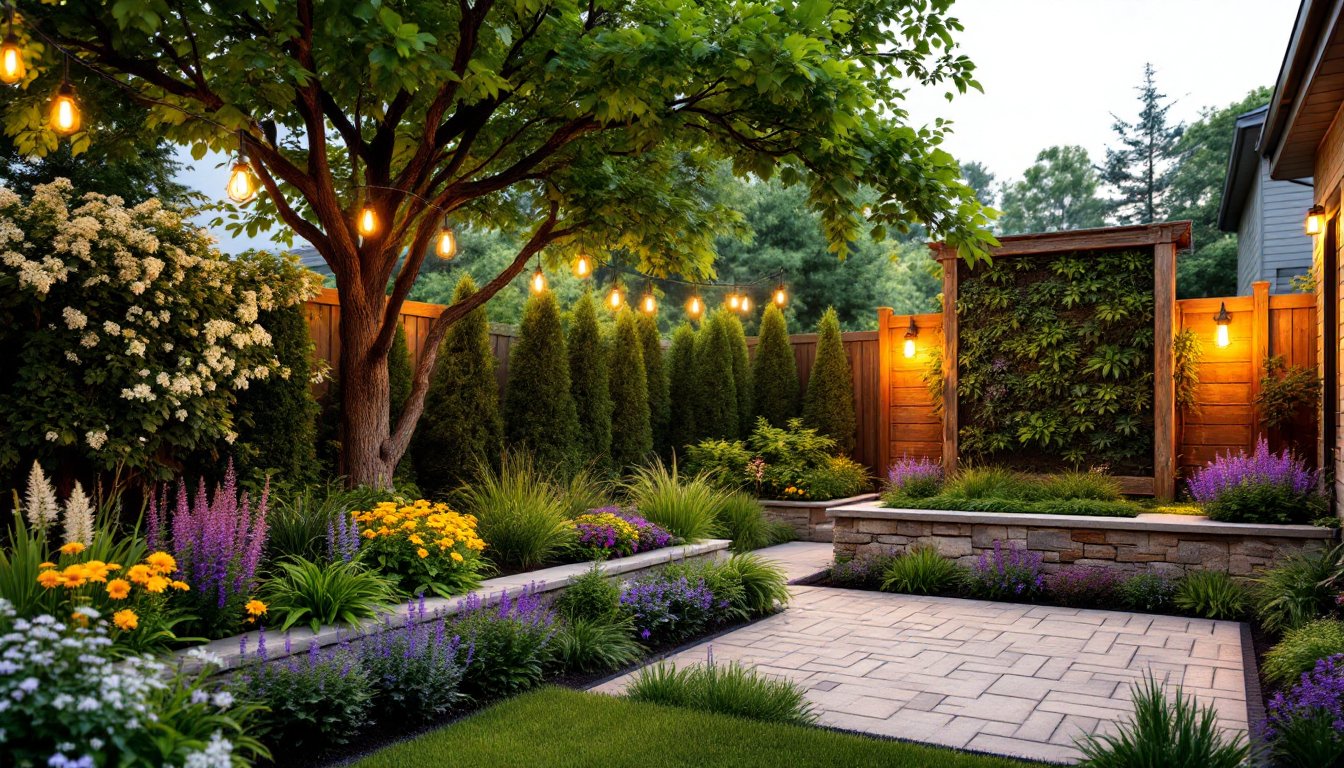
Stone landscaping isn’t just about dropping a few rocks in the front yard and calling it done. It’s a practical, low-maintenance approach to creating a front yard that looks intentional year-round, even when the neighbor’s lawn is looking scraggly. Whether someone’s tired of mowing, dealing with bare patches, or just wants to add structure to their landscape, stone offers durability, texture, and serious visual impact. From flagstone pathways to river rock borders, the right stone choices can turn a forgettable front yard into the kind of space people slow down to look at.
Table of Contents
ToggleKey Takeaways
- Front yard stone landscaping provides a permanent, low-maintenance alternative to traditional lawns, requiring no mowing, watering, or seasonal replanting while improving curb appeal and property value.
- Choose the right stone type for your project: flagstone for pathways, river rock for borders, crushed granite for driveways, and boulders for focal points, with costs ranging from $30–$70 per ton for gravel to $200–$600 per ton for flagstone.
- Proper site preparation is essential—excavate 4 to 6 inches, install a compacted gravel base with landscape fabric, and ensure pathways slope away from your home at a minimum 2% grade to prevent water damage.
- Design stone landscaping as part of a cohesive plan rather than random placement; use curved pathways to enlarge small yards, layer different stone sizes for depth, and repeat materials across zones to unify your front yard.
- DIY stone installation is achievable with proper tools and technique: compact each layer of base material, set stones systematically with consistent joint spacing, and tackle the project in phases to manage the physical demands of heavy stone.
- Plan utilities locating (call 811 before digging), check local codes and HOA restrictions, and maintain your stone landscape through periodic sweeping, optional resealing, and spot-weeding to keep it looking fresh for years.
Why Choose Stone for Front Yard Landscaping?
Stone delivers on multiple fronts: it’s permanent, requires zero watering, and doesn’t need fertilizer or seasonal replanting. In regions with water restrictions or drought conditions, stone landscaping makes practical sense beyond aesthetics.
Durability is the big draw. Unlike mulch that breaks down or pavers that can shift, natural stone weathers slowly and often looks better with age. Flagstone, river rock, and crushed granite hold up to freeze-thaw cycles, foot traffic, and UV exposure without fading or crumbling.
Low maintenance means less weekend work. There’s no mowing, edging, or reseeding. Weeds can still sprout between stones, but landscape fabric and proper base prep minimize that. An occasional sweep or hose-down keeps stone looking fresh.
Versatility in design is another advantage. Stone works in formal settings (think cut bluestone borders) and naturalistic layouts (boulders mixed with native grasses). It pairs well with metal edging, timber borders, and planted beds. Many homeowners integrate stone into landscaping for beginners projects because it’s forgiving, minor layout mistakes rarely require a full teardown.
From a property value standpoint, well-executed stone landscaping signals quality. Buyers notice hardscaping that looks permanent and professional, especially compared to patchy grass or overgrown shrubs.
Popular Types of Stone for Front Yard Projects
Not all stone is created equal, and choosing the right type depends on the project scope, budget, and aesthetic goals.
Flagstone is a favorite for pathways and patios. It’s a flat sedimentary rock (often sandstone or limestone) that comes in irregular shapes or cut rectangles. Thickness ranges from 1 to 2 inches, and colors span tan, gray, rust, and blue-gray. Flagstone provides a natural, organic look and is slip-resistant when dry.
River rock (also called pea gravel when smaller) is smooth, rounded stone in sizes from ½ inch to 6 inches. It’s ideal for borders, dry creek beds, and ground cover. River rock drains well and shifts underfoot, so it’s not the best choice for high-traffic walkways without edging.
Crushed stone or gravel includes angular fragments of granite, limestone, or trap rock, typically graded by size (¾-inch minus, ⅜-inch, etc.). It compacts better than river rock, making it suitable for pathways and driveways when paired with a compacted base. Colors range from white to gray to reddish-brown.
Boulders and large accent stones add focal points and vertical interest. Sizes vary from 12 inches to several feet in diameter. Use them to anchor planting beds, frame entryways, or create terraced sections on sloped yards.
Decomposed granite (DG) is finely crushed granite that compacts into a firm, permeable surface. It’s popular in arid climates and works well for pathways and as a base layer under larger stone. DG is affordable, often $40–$60 per ton, but may need periodic topping.
Regional availability affects cost and selection. Limestone is abundant in the Midwest and South, while basalt and lava rock are common in the Pacific Northwest. Shipping stone long distances drives up price fast.
Design Ideas to Elevate Your Front Yard with Stone
Stone landscaping shines when it’s part of a cohesive design rather than random scattering. Here are proven approaches that balance function and curb appeal.
Stone Pathways and Walkways
A well-defined path doesn’t just guide visitors to the front door, it creates structure and rhythm in the landscape. Flagstone set in gravel or sand is a classic look: irregular stones laid with wide or narrow joints, softened with creeping thyme or moss. For a cleaner line, cut bluestone or slate pavers offer uniform edges and a more formal feel.
Width matters. A primary walkway should be at least 36 to 48 inches wide to allow two people to walk side by side comfortably. Secondary paths can be narrower.
Base preparation is non-negotiable. Excavate 4 to 6 inches, add 2 to 3 inches of compacted gravel base, then 1 to 2 inches of leveling sand. Skipping this step leads to settling, shifting, and trip hazards. Landscape fabric under the base layer suppresses weeds without blocking drainage.
Curved pathways feel more natural and can make a small front yard appear larger by creating visual interest. Straight paths work better for modern or symmetrical home designs. For sloped yards, consider incorporating steps built from stacked flagstone or block stone, consult local building codes for riser and tread dimensions if the elevation change exceeds a few feet.
Rock Gardens and Decorative Borders
Rock gardens blend stone with drought-tolerant plants to create texture and color without high water use. Start with a mix of boulder accents, smaller stones, and gravel ground cover. Nestle sedums, ornamental grasses, and succulents between rocks for contrast.
Layering stone sizes adds depth. Use large boulders (18 inches or bigger) as anchors, medium stones to fill gaps, and gravel to tie it together. Bury one-third of each boulder for a natural, settled look, sitting stones on top of soil looks staged.
Borders and edging define planting beds and prevent mulch or gravel from migrating into lawn areas. Stacked stone borders (dry-stacked, no mortar) provide a rustic, dimensional edge. For a cleaner line, use cut stone or cobbles set in a shallow trench. Steel or aluminum edging hidden behind stone keeps everything contained.
Integrating stone with driveway landscaping creates continuity from curb to entry. River rock borders along a driveway can mirror stones used in front beds, tying the whole design together. Designers at sources like Gardenista often recommend repeating materials across different zones to unify the front yard.
Planning Your Stone Landscaping Project
Jumping straight to the stone yard without a plan is a recipe for overspending and design regret. Start with a scaled drawing, graph paper works, or use free landscape design apps. Mark existing features (house, driveway, utilities, trees) and sketch proposed stone areas.
Measure twice, order once. Calculate square footage for pathways and beds, then factor in depth. For a 3-inch-deep gravel bed, you’ll need roughly 0.25 cubic yards per 10 square feet. Stone is sold by the ton or cubic yard: a ton of gravel covers about 80 to 100 square feet at 3 inches deep, but density varies by stone type.
Budget realistically. Bulk gravel or crushed stone runs $30–$70 per ton delivered. Flagstone ranges from $200–$600 per ton depending on type and finish. Boulders are often priced individually, from $50 to several hundred dollars each. Add costs for base material, landscape fabric, edging, and tools if buying or renting.
Check local codes and HOA rules. Some municipalities have setback requirements for hardscaping, especially near property lines or sidewalks. If the project involves regrading or significant drainage changes, a permit may be required. HOAs sometimes restrict stone types, colors, or the percentage of front yard hardscaping.
Drainage is critical. Stone itself drains well, but poor grading can funnel water toward the foundation or create pooling. Slope pathways and beds away from the house at a minimum 2% grade (¼ inch per foot). For larger projects, consider a French drain or swale if runoff is a concern.
Utilities, especially irrigation lines, gas, electric, and cable, must be located before digging. Call 811 for free utility marking at least a few days before breaking ground. Hitting a gas line isn’t just expensive: it’s dangerous.
Installation Tips for DIY Stone Landscaping
Stone projects are physically demanding but well within reach for a motivated DIYer. Here’s how to set up for success.
Gather the right tools. For most projects, expect to use a wheelbarrow, round-point shovel, garden rake, tamper or plate compactor (rentable), level, and landscape fabric. Cutting flagstone or pavers requires a masonry blade on a circular saw or an angle grinder, wet-cutting reduces dust. Wear safety goggles, work gloves, and a dust mask when cutting or moving stone. Steel-toe boots are smart when handling heavy rocks.
Prep the site thoroughly. Remove existing grass, weeds, and roots. For pathways, excavate to the full depth of base plus stone. Compact the soil at the bottom of the excavation, loose soil leads to settling. Lay landscape fabric, then add base gravel in 2-inch lifts, compacting each layer. A hand tamper works for small areas: rent a plate compactor for anything over 50 square feet.
Set stones with care. For flagstone, start at one end and work systematically. Aim for consistent joint spacing, ½ to 2 inches, and check level frequently. Tap stones into place with a rubber mallet. If a stone rocks, lift it and add or remove sand underneath. For gravel or river rock, spread evenly and rake smooth. Edging (metal, plastic, or stone) installed first keeps material from creeping.
Plan for weed control. Landscape fabric helps, but it’s not foolproof. Over time, organic debris settles on top of gravel, and weeds sprout there. Polymeric sand (a sand-polymer blend that hardens when wet) swept into joints between pavers or flagstone locks things in place and resists weed growth. For gravel beds, periodic spot-treatment with a non-selective herbicide or manual weeding is part of landscape care tips for stone areas.
Tackle the project in phases. Stone is heavy, a cubic yard of gravel weighs roughly 2,500 to 3,000 pounds. Don’t attempt to move and spread an entire truckload in one weekend. Break the project into sections: base prep one weekend, stone placement the next. Have a second set of hands for moving boulders or large flagstones. A hand truck or furniture dolly makes moving heavy stones safer.
Respect the material. Natural stone has cleft surfaces, color variation, and irregular edges, that’s the appeal. Don’t fight it by trying to force uniform spacing or perfect symmetry. Embrace the organic look, and the project will feel less fussy and more timeless.
For ongoing maintenance, hose down stone surfaces to remove dust and debris. Reseal flagstone or cut stone every few years if using a sealer (optional, but it can enhance color and resist stains). Check for settling or shifting after heavy rain or freeze-thaw cycles, and top up gravel or sand as needed. Stone landscapes age gracefully when installed correctly, requiring far less fuss than traditional turf or annual beds.