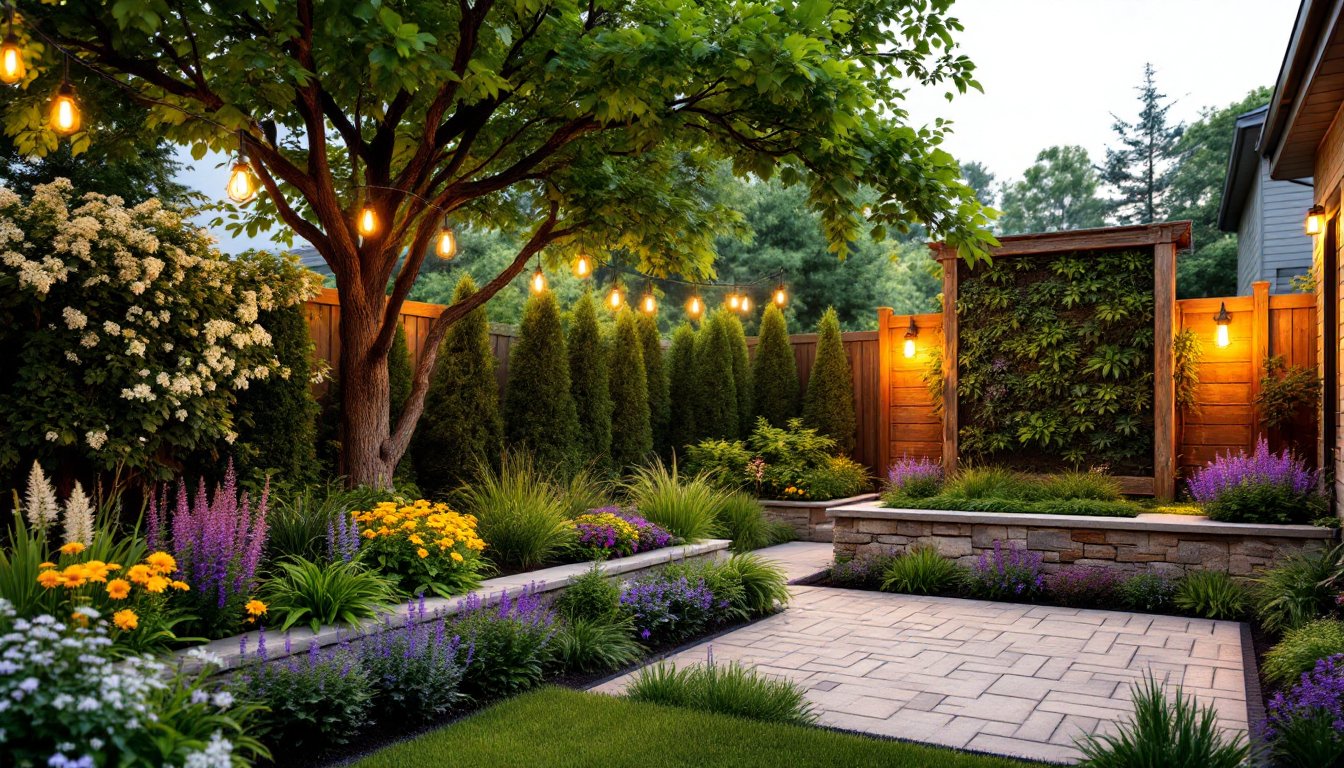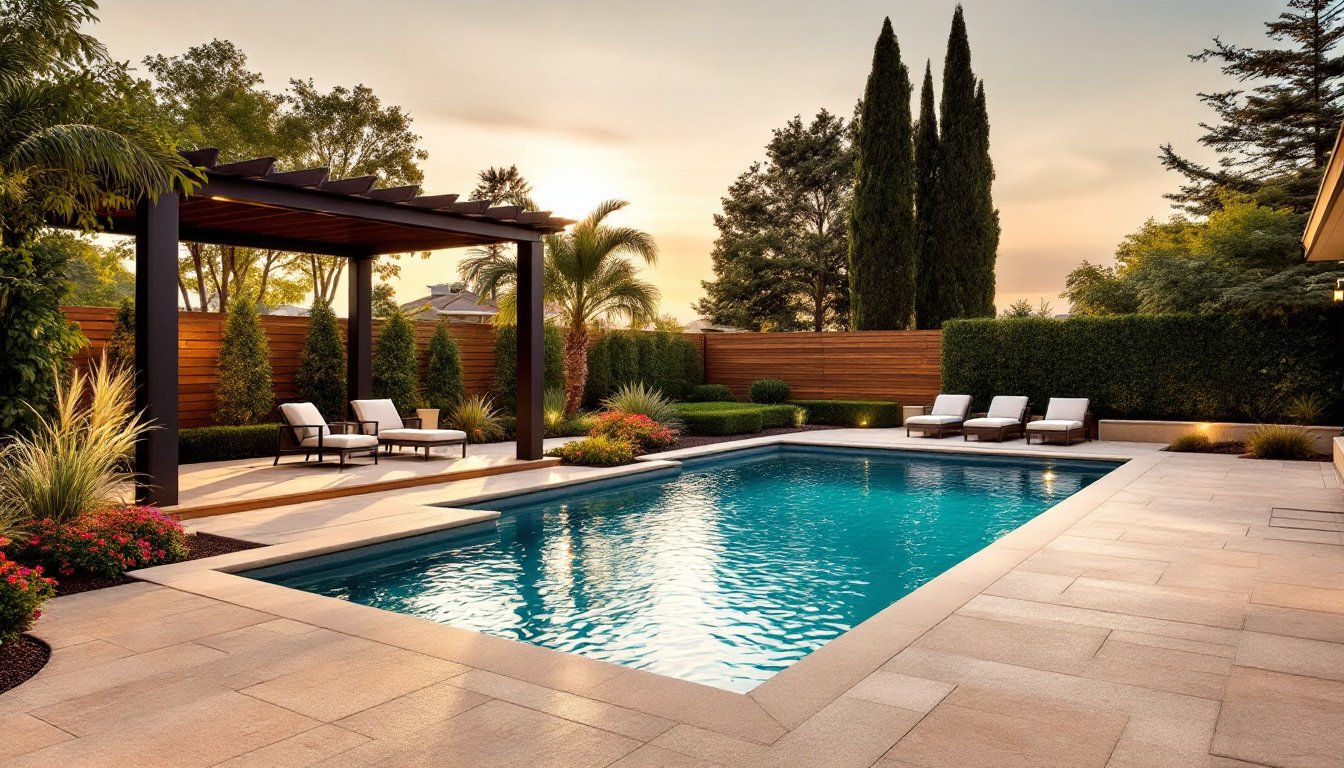
A backyard pool is only as good as what surrounds it. Without thoughtful landscaping, even the nicest pool can look like a glorified puddle on a concrete slab. Done right, though, pool landscaping turns a utilitarian amenity into the centerpiece of your outdoor living space, somewhere you actually want to spend time, not just swim laps and leave.
This guide walks through the practical steps for designing a pool landscape that balances aesthetics, safety, and low maintenance. From plant selection to hardscaping materials, privacy solutions, and lighting, each decision affects how the space looks, functions, and ages. No fluff, just the details homeowners need to get it right.
Table of Contents
ToggleKey Takeaways
- Thoughtful backyard pool landscaping transforms a pool into the centerpiece of your outdoor living space by balancing aesthetics, safety, and low maintenance through strategic plant and hardscape choices.
- Plan your pool landscape in distinct zones—the immediate deck (hardscape-only to prevent slip hazards), transition zone (3–8 feet), and outer perimeter—each with different requirements for drainage, sun exposure, and foot traffic.
- Select plants that tolerate harsh poolside conditions, including ornamental grasses, succulents, evergreen shrubs, and salt-tolerant palms; avoid high-litter species and aggressive root systems that can damage pool structures and pavers.
- Install non-slip decking materials like textured concrete, pavers, travertine, or bluestone rather than smooth surfaces, and ensure proper drainage with graded lawns and catch basins to prevent water damage and plant failure.
- Create privacy and shade through a combination of fencing, living screens (tall evergreens), pergolas, shade sails, and pavilions while checking local codes for setbacks and permits.
- Implement multi-layered LED lighting—including path lights, spotlights, and accent lighting—on low-voltage 12V systems to safely extend pool use into the evening and enhance the landscape’s visual appeal.
Planning Your Pool Landscape Design
Start with the big picture. Measure the pool deck, identify existing features (fences, structures, utilities), and note sun exposure throughout the day. A south-facing pool gets full sun: a north-facing one stays cooler but may need supplemental lighting earlier in the evening.
Set zones around the pool: the immediate deck (0–3 feet from coping), the transition zone (3–8 feet), and the outer perimeter. Each zone has different requirements for plant root systems, splash tolerance, and foot traffic. The deck zone typically stays hardscape-only to avoid slip hazards and leaf litter in the water.
Consider drainage. Water splashing out of the pool, rainfall, and irrigation all need somewhere to go. Grade the surrounding lawn or beds away from the pool and any structures. If your yard slopes toward the pool, you’ll need a catch basin or French drain to redirect runoff. Poor drainage kills plants and undermines pavers.
Check local codes and setbacks. Some jurisdictions require fencing, barriers, or specific clearances between pools and property lines. If you’re adding structures like pergolas or retaining walls over a certain height, permits may be required. Don’t assume, call your building department or check the International Residential Code (IRC) for pool barrier requirements.
Finally, decide on a style: modern minimalist (clean lines, limited plant palette), tropical resort (lush foliage, bold colors), Mediterranean (terra cotta, ornamental grasses), or naturalistic (native plants, irregular stone). Consistency across plant choices and materials makes the design feel intentional, not random.
Best Plants for Pool Landscaping
Plants around pools face harsh conditions: chlorine or saltwater spray, reflected heat off the deck, and constant foot traffic. Choose species that tolerate these stressors and don’t shed debris into the water.
Avoid high-litter plants: fruit trees, heavy seeders, and anything with large deciduous leaves. Also skip thorny species near walkways. Roots are another concern, aggressive root systems can crack pool shells and lift pavers. Keep large trees like willows, poplars, and silver maples at least 10–15 feet from the pool structure.
Good poolside performers include:
- Ornamental grasses (blue fescue, fountain grass, muhly grass): drought-tolerant, low litter, add movement.
- Succulents (agave, sedum, aloe): handle heat and reflected light, minimal water needs.
- Evergreen shrubs (boxwood, podocarpus, oleander): year-round greenery, low maintenance once established.
- Palms (sago, pindo, European fan palm): tropical look, salt-tolerant varieties available.
- Perennials (daylilies, lantana, society garlic): color without constant replanting.
For areas farther from the splash zone, consider incorporating edible landscaping elements like dwarf citrus or blueberry bushes, which thrive in sunny spots and offer a functional harvest.
Low-Maintenance Plant Options
Low-maintenance doesn’t mean zero maintenance, but these choices minimize the work:
- Native plants: adapted to local soil and rainfall, less fertilizer and irrigation needed. Check your USDA hardiness zone and select accordingly.
- Drought-tolerant species: once established, they need supplemental water only during extreme dry spells. Mulch beds with 2–3 inches of shredded bark or gravel to retain moisture.
- Clumping (non-invasive) varieties: avoid runners like mint or bamboo that spread aggressively and require constant edging.
Install drip irrigation on a timer for beds. Hand-watering is inconsistent, and overspray from sprinklers wastes water and can alter pool chemistry. Drip systems deliver water directly to root zones and reduce evaporation. Many homeowners find that thoughtful landscape water management strategies significantly cut down on both labor and resource use.
Hardscaping Elements to Enhance Your Pool Area
Decking material is the foundation. Poured concrete is affordable and customizable (stamped, stained, exposed aggregate), but it can crack in freeze-thaw climates without proper expansion joints. Pavers, concrete, porcelain, or natural stone, offer better slip resistance and easier repairs (pop out and replace a cracked unit). Natural stone like travertine or bluestone stays cooler underfoot but costs more.
Whatever you choose, confirm it has a textured, non-slip finish. Smooth surfaces are hazardous when wet. For concrete, a broom finish or light salt finish works. For pavers, look for a honed or tumbled surface, not polished.
Coping (the cap around the pool edge) should overhang the waterline slightly to keep splashes off the pool shell and provide a clean visual line. Bullnose pavers, natural stone, or poured concrete with a rounded edge are standard. Match or contrast with the deck material depending on your design.
Consider adding a retaining wall or raised planter to define zones and add vertical interest. Segmental retaining wall blocks (SRWs) are DIY-friendly for walls up to 3 feet without engineering: taller walls may require professional design and permits, especially in earthquake or high-wind areas. Check the IRC for retaining wall requirements in your jurisdiction.
Pathways from the house or patio to the pool should be wide enough for two people (4–5 feet minimum) and well-lit. Use the same paver or stone as the deck for continuity, or introduce a contrasting material like decomposed granite or stepping stones set in gravel.
A fire pit or outdoor kitchen can extend the pool’s usability into cooler months. If adding gas lines or permanent structures, consult local codes, many areas require setbacks from property lines and structures. Also ensure proper ventilation and clearances for any combustion appliances.
Creating Privacy and Shade Around Your Pool
Privacy and shade aren’t luxuries, they’re practical needs. Nobody wants to sunbathe under the neighbor’s second-story window, and midday sun in summer can make the deck too hot to walk on barefoot.
Fencing serves double duty: privacy and safety. Wrought iron or aluminum fencing meets pool barrier codes (typically 4 feet high with self-closing, self-latching gates and pickets spaced no more than 4 inches apart) but offers minimal visual privacy. Composite or wood privacy fences (6–8 feet) block sightlines but can feel like walls. Horizontal slat designs or mixed materials (e.g., stone columns with wood panels) soften the look.
Living screens are more natural. Tall, narrow evergreens like arborvitae, Italian cypress, or bamboo (clumping varieties only) create dense barriers. Plant in staggered rows for faster coverage. Many landscape care tips emphasize the importance of proper spacing and pruning to maintain healthy screening plants. Allow 3–5 feet between plants depending on mature width, and keep them irrigated for the first two seasons until established.
Shade structures range from simple to complex. Pergolas provide partial shade and support for climbing vines (bougainvillea, wisteria, grape). They typically require footings below the frost line, 18–42 inches deep depending on climate, and may need permits if over a certain size (often 120 square feet). Shade sails are a budget-friendly alternative: tensioned fabric panels anchored to posts or existing structures. They’re removable for winter and come in UV-rated materials.
Cantilever or market umbrellas offer portable shade. Secure bases properly, wind can turn an unsecured umbrella into a projectile. For permanent shade, consider a pavilion or cabana, which requires more substantial footings and framing but adds significant value and function. Those unfamiliar with outdoor structures might benefit from landscaping for beginners guidance before tackling a major build.
Additional resources, such as those found on Sunset, can offer region-specific ideas for western climates where sun exposure is particularly intense.
Lighting and Finishing Touches for Evening Ambiance
Good lighting extends pool use into the evening and improves safety. A multi-layered approach works best: task lighting (illuminating steps, pathways, and deck edges), accent lighting (highlighting plants, water features, or architectural elements), and ambient lighting (overall mood).
Low-voltage LED landscape lighting (12V systems) is the DIY-friendly choice. It’s safer to install than 120V line voltage, more energy-efficient, and the fixtures last 25,000+ hours. Run the transformer indoors or in a weatherproof enclosure, and bury cable 6 inches deep along pathways (check NEC Article 411 for low-voltage requirements). Use path lights every 8–10 feet along walkways, and spotlights or well lights to uplight trees or architectural features.
In-pool lighting is typically installed during construction, but aftermarket LED fixtures can be retrofitted. Color-changing LEDs add drama for parties but can feel gimmicky in daily use, warm white (2700–3000K) is more timeless.
String lights or lanterns soften the space. Hang them from pergolas, fences, or poles using weatherproof hardware. Solar-powered options exist but often produce dim, inconsistent light, plug-in LEDs are more reliable.
Add timers or smart controls so lights turn on automatically at dusk. Photocell sensors or Wi-Fi-enabled controllers (compatible with Alexa, Google Home, etc.) make the system effortless.
Finishing touches tie it together. Outdoor furniture should be weather-resistant (powder-coated aluminum, all-weather wicker, teak) and comfortable. Add outdoor rugs under seating areas to define zones, polypropylene rugs resist mold and fade. Planters in varying heights add pops of seasonal color without committing to in-ground beds. For ideas on integrating decorative edging or container arrangements, The Spruce offers extensive tutorials on container gardening and outdoor decor.
A water feature (fountain, spillway, or bubbler) adds sound and movement. Many are self-contained units that just need a GFCI-protected outlet. For more elaborate designs, consult Gardenista’s pool landscaping ideas for inspiration.
Conclusion
A well-designed pool landscape doesn’t happen by accident. It takes planning, the right plant and material choices, and attention to the details that make a space both beautiful and functional. Start with a solid plan, build in layers, and don’t skip the prep work. The result is an outdoor space that adds real value, and gets used, for years to come.