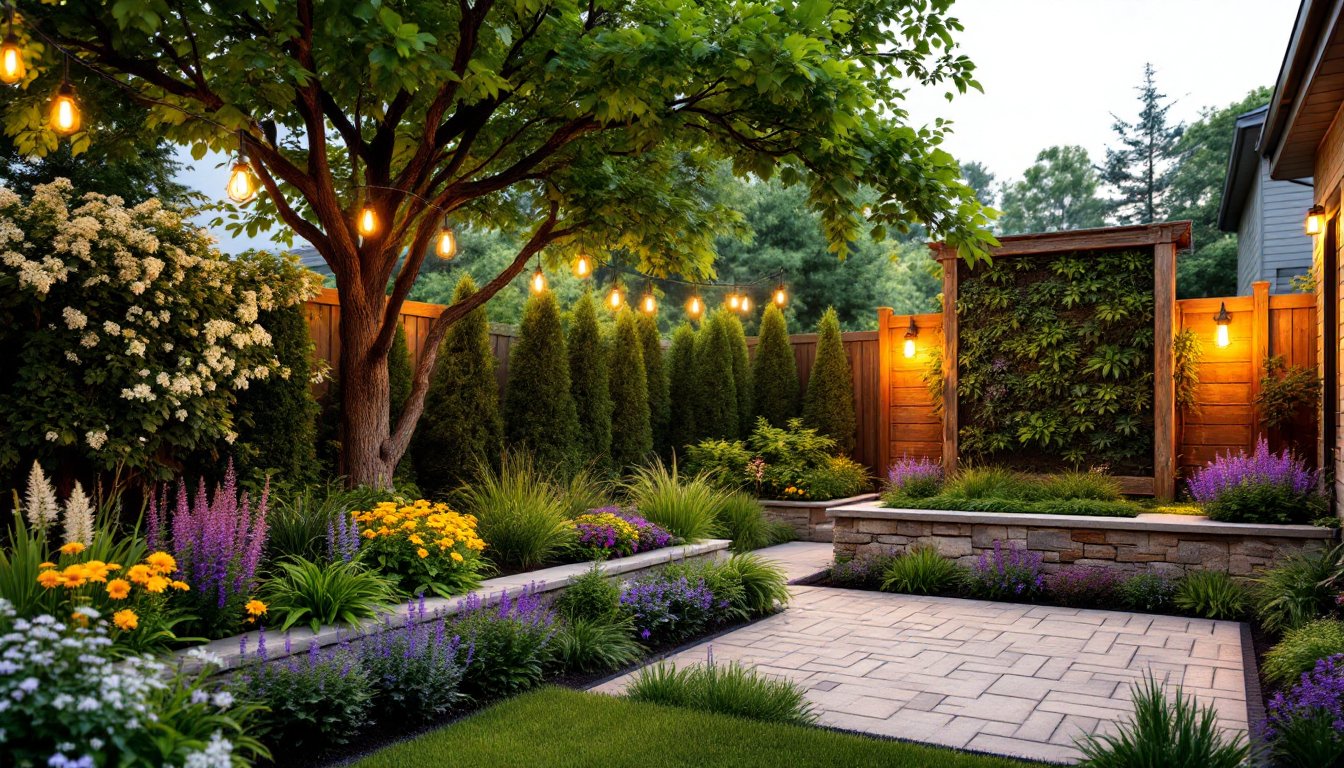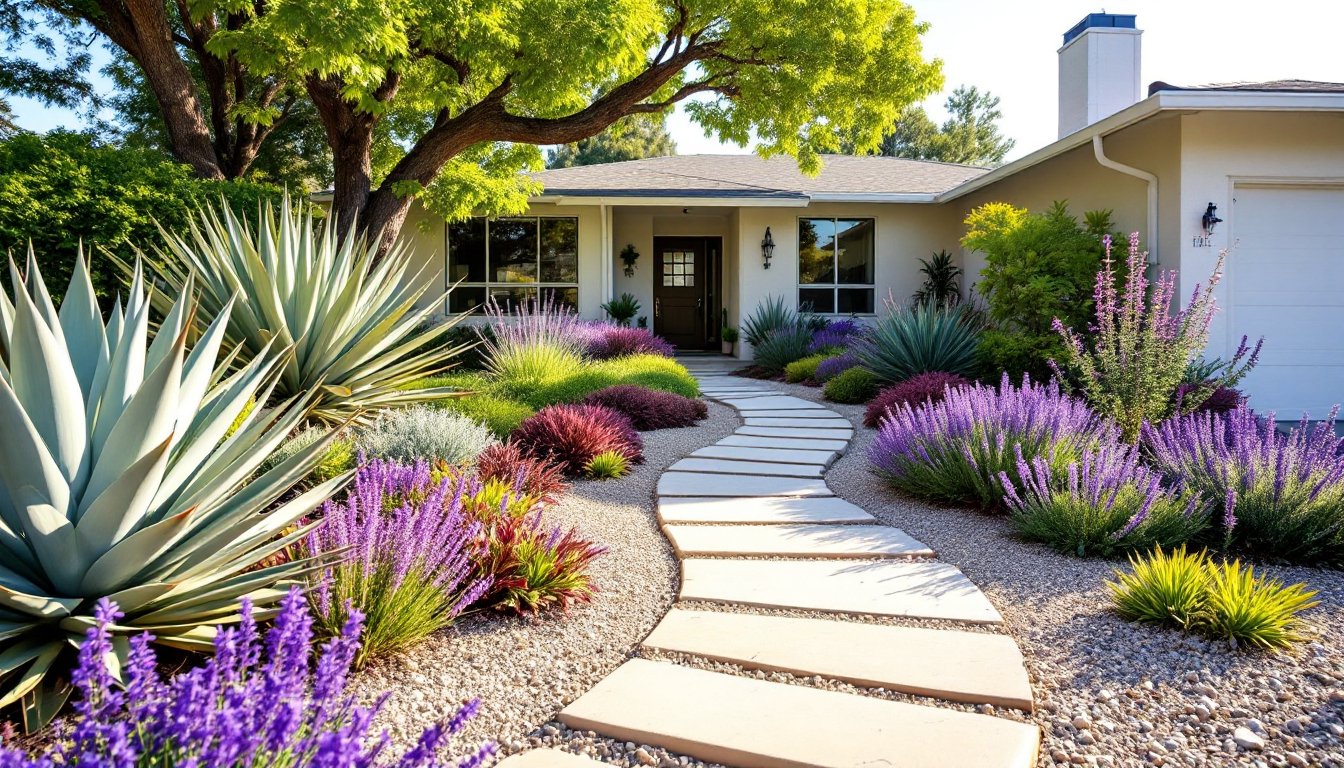
California’s climate presents unique challenges, extended droughts, water restrictions, and scorching summers, but that doesn’t mean sacrificing curb appeal. The key is designing a front yard that thrives on less water while delivering year-round visual impact. This guide walks through plant pairings, hardscaping options, irrigation tactics, and budget-conscious projects tailored to California’s varied microclimates, from coastal fog zones to inland heat. Whether facing xeriscaping mandates or simply tired of brown grass, homeowners can build a resilient, low-maintenance landscape that handles water limits without looking barren.
Table of Contents
ToggleKey Takeaways
- California front yard landscaping thrives with drought-tolerant plants like agave, lavender, and native species that require minimal water after establishment and handle regional microclimates.
- Drip irrigation systems deliver 90%+ water efficiency compared to sprinklers, and paired with mulch layers and soil amendments, dramatically reduce maintenance and monthly utility costs.
- Hardscaping solutions like decomposed granite ($40–$60/cubic yard) and permeable pavers replace thirsty turf while adding curb appeal and meeting local stormwater regulations.
- Native California plants such as ceanothus, manzanita, and California fuchsia evolved to thrive on local rainfall and require zero supplemental water after 2–3 years, making them the lowest-maintenance option.
- DIY turf removal and phased landscaping projects (ranging from $50–$150 for drip kits to $80–$120 for decomposed granite beds) are budget-friendly and accessible for most homeowners, with municipalities offering $2–$3 per square foot rebates for drought-resistant redesigns.
- Grouping plants by water needs (hydrozoning), avoiding mulch piled against stems, and using soil amendments like compost prevent overwatering damage and extend plant lifespan in fire-prone regions.
Why California Front Yards Require Special Landscaping Considerations
California’s Mediterranean climate means dry summers, occasional winter rain, and microclimates that vary wildly by region. Coastal areas deal with salt spray and fog, while inland valleys endure 100°F+ heat. Water restrictions, mandated by local agencies during drought years, limit lawn irrigation to specific days or prohibit it entirely.
Traditional turf lawns consume 55 gallons per square foot annually in many California zones, making them impractical and costly. Many municipalities now offer cash rebates (often $2–$3 per square foot) for turf removal, incentivizing drought-tolerant redesigns.
Soil composition matters, too. Much of California sits on clay-heavy or sandy soils with poor nutrient retention. Amending soil with compost or choosing plants adapted to native conditions reduces the need for fertilizers and frequent watering. Fire-prone regions, especially foothill and chaparral zones, require defensible space per state regulations: keeping vegetation low and spaced within 30 feet of structures, using ignition-resistant plants, and avoiding continuous fuel loads.
Understanding local hardiness zones (ranging from USDA Zone 5 in mountain areas to Zone 10 along the coast) ensures plant survival without constant intervention.
Drought-Tolerant Plant Combinations That Thrive Year-Round
Layering textures and bloom times creates visual interest without weekly maintenance. Start with structural evergreens as anchors:
- Agave americana or Agave attenuata: Bold rosettes, minimal water once established.
- Yucca rostrata: Spiky blue-green foliage, cold-hardy to 0°F.
- Phormium (New Zealand flax): Upright blades in burgundy, bronze, or variegated green.
Fill mid-layers with flowering perennials that handle summer dry-downs:
- Salvia (various species): Purple, red, or white blooms: hummingbird magnets.
- Lavandula (lavender): Fragrant, deer-resistant, blooms spring through fall.
- Echinacea purpurea (coneflower): Drought-tolerant once roots are deep, handles clay soil.
- Penstemon: Native to California, tubular flowers in pink, red, or purple.
Ground covers replace thirsty grass:
- Dymondia margaretae: Gray-green mat, tolerates light foot traffic.
- Sedum varieties: Succulent leaves, negligible water needs.
- Achillea millefolium (yarrow): Low, spreading, yellow or white blooms.
Pair plants by water needs. Group drought-tolerant species together (hydrozoning) so irrigation targets only what requires it. Avoid mixing high-water ornamentals with succulents in the same bed, overwatering kills cacti faster than underwatering.
Many successful edible landscaping designs in California incorporate herbs like rosemary, thyme, and oregano, which double as low-water perennials and culinary staples.
Low-Maintenance Hardscaping Solutions for California Climates
Hardscaping reduces watered square footage while adding structure and curb appeal. Decomposed granite (DG) is a California staple, $40–$60 per cubic yard, compacting into a firm, permeable surface for pathways or entire front yards. Install a 3–4-inch base layer over landscape fabric to suppress weeds.
Permeable pavers (concrete, clay, or recycled plastic grid systems) allow rainwater infiltration, meeting stormwater regulations in many jurisdictions. They cost $8–$20 per square foot installed, depending on material. Lay pavers over a 4–6-inch gravel base: polymeric sand between joints locks them in place without mortar.
Rock mulches (crushed granite, river rock, lava rock) last indefinitely and don’t decompose like wood chips. Use 1.5-inch to 3-inch diameter rock for visual impact: smaller sizes wash away. Edging (steel, aluminum, or concrete) is critical, rocks migrate into planting beds without containment.
Concrete borders or dry-laid flagstone pathways define zones and reduce maintenance. A 12-inch-wide flagstone path costs roughly $15–$25 per linear foot for materials. Set stones on a 2-inch sand bed: fill gaps with DG or low-growing ground cover like thyme.
For sloped yards, consider gabion walls (wire cages filled with rock) or timber retaining walls (pressure-treated 6×6 or 8×8 timbers). Any wall over 4 feet high typically requires an engineer’s stamp and permit. Check local building codes.
Integrating driveway landscaping elements, like bordered gravel strips or planted islands, can unify the front yard aesthetic while reducing paved runoff.
Water-Wise Irrigation and Mulching Strategies
Drip irrigation is the gold standard for California landscapes, delivering water directly to root zones with 90%+ efficiency versus sprinklers at 50–70%. Use ½-inch mainline tubing with ¼-inch spur lines to individual plants. Emitters rated at 0.5 to 2 gallons per hour suit most shrubs and perennials: adjust based on plant size and soil type.
Install a timer (simple battery models start around $30: Wi-Fi-enabled smart controllers run $100–$250) to automate watering during early morning hours, reducing evaporation. Many water districts offer rebates on smart controllers that adjust schedules based on weather data.
Mulch is non-negotiable. A 3–4-inch layer of organic mulch (shredded bark, wood chips) or inorganic mulch (rock, DG) insulates roots, suppresses weeds, and slows moisture loss. Wood mulch decomposes, enriching soil but requiring replenishment every 2–3 years. Rock mulch lasts longer but doesn’t improve soil structure.
Avoid piling mulch against plant stems or tree trunks, “mulch volcanoes” trap moisture and invite rot or pests. Leave a 2-inch gap around the base.
Soil amendment before planting improves water retention. Mix 2–3 inches of compost into the top 6–8 inches of soil, especially in sandy or clay-heavy sites. For slopes, use hydrogel crystals sparingly (they expand when wet, holding moisture near roots), though they’re less common now due to environmental concerns.
Group plants by water requirements. Place high-water accent plants near downspouts or in small, targeted zones. The bulk of the yard should consist of low-water species irrigated separately, if at all, after establishment.
For those new to the process, landscaping for beginners guides emphasize the importance of soil prep and strategic watering schedules.
Native California Plants for Stunning Curb Appeal
Native plants evolved to handle local rainfall patterns, soil types, and pests, making them the lowest-maintenance option. They support pollinators and often require zero supplemental water after 2–3 years.
Shrubs and small trees:
- Ceanothus (California lilac): Blue or white flower clusters in spring, evergreen foliage, deer-resistant. Varieties range from groundcovers to 12-foot shrubs.
- Arctostaphylos (manzanita): Sculptural branching, red bark, pink urn-shaped flowers. Thrives in poor, rocky soil.
- Cercis occidentalis (Western redbud): Magenta blooms in early spring before leaves emerge, tolerates clay.
- Heteromeles arbutifolia (toyon): Bright red berries in winter, evergreen, fire-resistant.
Perennials and grasses:
- Penstemon species: Tubular flowers, many colors, hummingbird favorites.
- Zauschneria (California fuchsia): Orange-red blooms late summer through fall.
- Muhlenbergia rigens (deer grass): Clumping grass, 3–4 feet tall, tan seed heads.
- Festuca californica (California fescue): Blue-green clumping grass, shade-tolerant.
Ground covers:
- Baccharis pilularis ‘Pigeon Point’: Fast-spreading, evergreen, salt-tolerant.
- Fragaria chiloensis (beach strawberry): White flowers, red fruit, handles coastal conditions.
Natives often look “wild” during establishment but fill in beautifully by year two. Prune lightly after bloom to shape: avoid heavy shearing, which stresses many species. For design inspiration, Sunset Magazine showcases several California front yards featuring native plant palettes and minimalist layouts.
Purchase container-grown natives from local nurseries in fall or early winter for best root establishment before summer heat.
Budget-Friendly DIY Front Yard Makeover Projects
Turf removal is the highest-impact project. Rent a sod cutter ($70–$100/day) to strip grass, then compost or dispose of it. Sheet mulching, layering cardboard and wood chips over grass, is slower but free if you source materials locally. Utility companies and arborists often deliver free wood chips.
Decomposed granite installation is DIY-friendly. For a 200-square-foot area, expect 1.5–2 cubic yards of DG (roughly $80–$120). Rent a plate compactor ($60/day) to achieve a firm surface. Edge with steel or plastic bender board ($1–$3 per linear foot).
Rock mulch beds require landscape fabric (to prevent weeds) and 2–3 inches of rock. A ton of 1.5–2-inch river rock covers approximately 80–100 square feet and costs $50–$100, depending on type and delivery.
DIY drip irrigation kits (available at home centers for $50–$150) include tubing, emitters, stakes, and connectors. Layout is straightforward: run mainline along planting beds, punch in emitters near each plant. Connect to an existing hose bib with a backflow preventer (required by code in many areas: $15–$30).
Planting in groups reduces plant costs and visual clutter. Buy 1-gallon perennials ($8–$15 each) instead of 5-gallon ($25–$50): they establish faster and cost less. Plant in odd-numbered clusters (3, 5, 7) for a natural look.
Pathway projects using flagstone or stepping stones add polish. Dig out 3–4 inches, lay landscape fabric, add 2 inches of decomposed granite or sand, then set stones. Fill gaps with DG or plant low-growing thyme or sedum.
Many homeowners pair front yard updates with ongoing landscape care tips to maintain plantings through seasonal changes without hiring pros.
Permits usually aren’t required for non-structural landscape work, but check local rules if adding retaining walls, electrical for lighting, or altering drainage patterns. Water districts often provide free design consultations and rebate information, take advantage before starting.
Conclusion
California front yards can be both water-wise and visually striking with the right plant choices, hardscaping materials, and irrigation setup. Prioritize natives and drought-tolerant species, use mulch and drip systems to maximize efficiency, and don’t skip soil prep. Most projects are accessible to confident DIYers, especially with phased approaches that spread cost and labor over several weekends. The payoff, lower water bills, less maintenance, and a landscape built to last through droughts, makes the effort worthwhile.