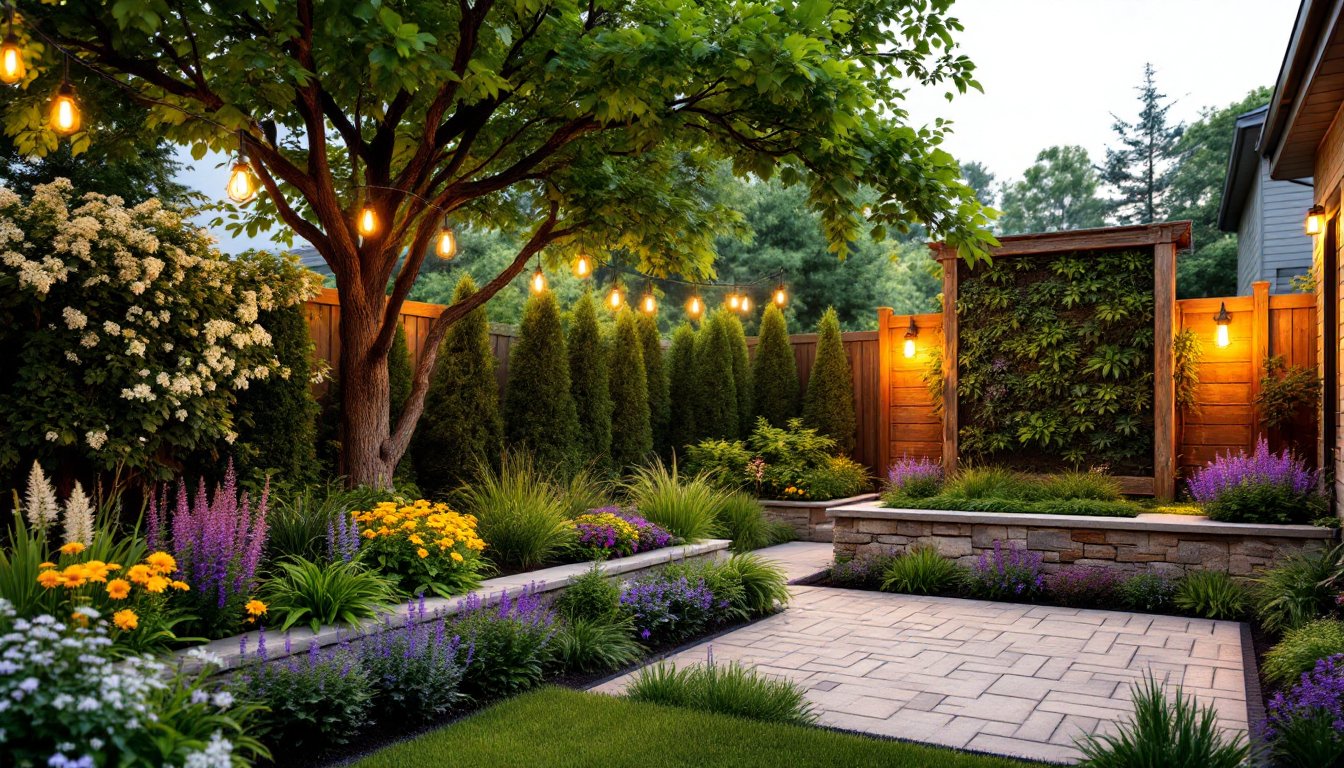
California interior design isn’t just a trend, it’s a lifestyle that blends relaxed sophistication with practical, livable comfort. Born from the state’s unique geography, climate, and cultural fusion, this style captures sun-drenched rooms, natural materials, and a seamless connection between indoor and outdoor spaces. Whether you’re renovating a coastal cottage or refreshing a suburban ranch, understanding California design principles helps create homes that feel both effortlessly stylish and genuinely comfortable. This guide breaks down the essentials, from material choices to spatial flow, so you can bring that West Coast vibe into your own space.
Table of Contents
ToggleKey Takeaways
- California interior design style merges mid-century modern simplicity, Spanish colonial warmth, and coastal aesthetics using natural materials like reclaimed wood, stone, linen, and leather to create effortlessly livable spaces.
- Maximizing natural light through large windows, sliding glass doors, and outdoor connections is non-negotiable in California design, with patios functioning as extensions of interior rooms.
- Neutral color palettes—warm whites, creams, soft taupes—combined with earthy accents like terracotta, ocean blues, and sage greens reflect the natural California landscape while keeping spaces calm and open.
- Low-profile furniture with clean lines, natural materials, and carefully layered lighting (ambient, task, and accent) balance comfort and visual simplicity without clutter or stuffiness.
- Sustainable materials, including low-VOC paints, FSC-certified wood, and energy-efficient fixtures, align California interior design with eco-conscious living while reducing environmental impact.
What Is California Interior Design Style?
California interior design style merges mid-century modern simplicity, Spanish colonial warmth, and contemporary coastal ease into one cohesive aesthetic. It prioritizes natural materials, think reclaimed wood, stone, linen, and leather, over synthetic finishes. The look celebrates indoor-outdoor living, with large windows, sliding glass doors, and patios that function as extensions of interior rooms.
Unlike more formal design traditions, California style rejects stuffiness. Furniture tends toward clean lines and low profiles, borrowed from mid-century influences. Color palettes stay rooted in nature: sandy beiges, soft whites, ocean blues, and terracotta. Textiles lean breathable and casual, linen upholstery, cotton throws, jute rugs.
This approach evolved organically from California’s climate and lifestyle. Year-round sunshine encourages homes designed to maximize daylight and ventilation. Spanish colonial architecture introduced courtyards, exposed beams, and tile work. Mid-century architects like Richard Neutra and Case Study House designers championed open floor plans and glass walls. Today’s California interiors pull from all these influences while keeping livability front and center.
Key characteristics include minimal ornamentation, functional furniture, and an overall sense of ease. Spaces feel curated but not precious. You won’t find heavy drapes or ornate molding: instead, expect sheer curtains, simple trim, and architectural details that enhance rather than dominate. According to Sunset Magazine, sustainability-minded ranch homes exemplify this approach with natural ventilation, passive solar design, and locally sourced materials.
Key Elements of California Interior Design
Natural Light and Indoor-Outdoor Flow
Maximizing natural light is non-negotiable in California design. Start by assessing window placement and size. If you’re renovating, consider enlarging existing windows or adding new ones, but check local building codes first. The International Residential Code (IRC) requires egress windows in bedrooms, with minimum opening sizes (typically 5.7 square feet of clear opening, with width and height minimums). Beyond code compliance, south-facing windows flood rooms with consistent daylight, while west-facing glass captures afternoon sun.
Sliding glass doors and French doors connect living areas to patios, decks, or gardens. For a DIY-friendly upgrade, replace a standard 36-inch entry door with an 8-foot sliding door. You’ll need to reframe the opening, this involves cutting studs, installing a proper header (typically a doubled 2×10 or engineered beam for spans over 6 feet), and ensuring the rough opening is plumb and level. This is structural work: most jurisdictions require a building permit and inspections. If you’re uncomfortable with load-bearing modifications, hire a licensed contractor.
Treatments should enhance, not block, light. Skip heavy drapes. Instead, use sheer linen panels or woven wood shades that filter glare while preserving views. For privacy without sacrificing brightness, frosted window film works well in bathrooms and side-facing windows. Skylights and clerestory windows add overhead light in interior hallways or kitchens, though installation requires cutting roof rafters and flashing, again, permit-required work.
Outdoor spaces deserve equal attention. Treat patios as outdoor rooms: add weather-resistant furniture, potted plants, and overhead structures like pergolas or retractable awnings. Use matching or complementary flooring materials, large-format porcelain pavers transition smoothly from indoor tile. For small-space design, folding glass walls can double usable square footage without expanding the footprint.
Neutral Color Palettes with Earthy Accents
California interiors rely on neutral base colors: whites, creams, warm grays, and soft taupes. These hues reflect light and provide a calm backdrop. For walls, consider warm white paint like Benjamin Moore’s Swiss Coffee or Sherwin-Williams’ Alabaster. Avoid stark, cool whites, they read sterile under California’s golden-hour light.
Accent colors pull from the natural landscape. Terracotta and clay tones nod to Spanish tile and desert sunsets. Ocean blues and sage greens reference coastal and chaparral environments. Use these as secondary colors in textiles, artwork, or ceramic accessories.
When painting, proper prep makes the difference between a pro finish and a DIY disaster. Patch holes with lightweight spackle, sand smooth with 120-grit paper, then prime. One gallon of paint typically covers 350-400 square feet per coat: most projects need two coats. Use a quality roller cover (3/8-inch nap for smooth walls, 1/2-inch for textured). Cut in edges with an angled brush before rolling.
Natural wood tones add warmth without cluttering the palette. White oak, walnut, and reclaimed pine work well for flooring, cabinetry, and furniture. If refinishing hardwood floors, rent a drum sander and edger. Start with 36-grit to remove old finish, progress through 60-grit and 100-grit, then apply water-based polyurethane for a clear, low-VOC finish. Wear a respirator and knee pads: sanding generates fine dust and takes hours on your knees.
Stone and concrete introduce texture. Limestone, travertine, and honed granite suit countertops and backsplashes. For a budget-friendly alternative, porcelain tile mimics natural stone at a fraction of the cost. Concrete countertops deliver industrial-chic appeal but require sealing every 1-2 years to prevent staining. Mixing your own concrete countertop involves building a form, pouring a 1.5-inch-thick slab, and finishing with a trowel and concrete sealer. It’s labor-intensive but achievable for a confident DIYer.
Modern home design trends increasingly embrace sustainable materials, aligning perfectly with California’s eco-conscious ethos.
How to Achieve California Style in Your Home
Start with decluttering and simplifying. California design favors edited spaces over packed rooms. Remove excess furniture, knick-knacks, and heavy window treatments. Aim for a furniture layout that allows clear sightlines and easy movement. In living rooms, arrange seating to encourage conversation while facing windows or outdoor views.
Flooring sets the foundation. Wide-plank engineered hardwood (7-9 inches wide) in light oak or whitewashed finishes mimics high-end solid wood at lower cost and better moisture stability. Installation is straightforward: floating floors click together without glue or nails, though you’ll need to acclimate planks in the room for 48-72 hours before laying them. Underlayment (foam or cork, about 2-3mm thick) reduces noise and smooths minor subfloor imperfections. For wet areas like kitchens, large-format tile (12×24 or 24×24 inches) in matte or honed finishes provides durability. Use a wet saw for cuts: a snap cutter won’t handle porcelain cleanly.
Furniture should balance comfort and clean lines. Low-profile sofas and platform beds keep sightlines open. Natural materials, linen upholstery, leather accent chairs, rattan side tables, add texture without fuss. Avoid matchy-matchy sets: mix woods and finishes for a collected, lived-in feel. Thrift stores and estate sales often yield mid-century pieces that fit California style perfectly. Refinishing a vintage credenza takes a weekend: strip old finish with citrus-based stripper (less toxic than methylene chloride formulas), sand with 120-grit, then 220-grit, and apply Danish oil or clear matte polyurethane. Wear nitrile gloves and work in a ventilated space.
Lighting layers ambient, task, and accent sources. Recessed LED downlights (4-inch or 6-inch housings) provide general illumination without visual clutter. Retrofit kits let you convert old incandescent cans to LED without attic access, just twist out the old trim and bulb, screw in the adapter, and snap in the new LED module. Dimmer switches add flexibility: ensure they’re LED-compatible to avoid flickering. Pendant lights over islands or dining tables introduce sculptural interest. Look for natural materials: woven rattan, ceramic, or wood veneer shades.
Architectural details can be DIY-updated. Replace dated door hardware with matte black or brushed brass lever handles. Swap builder-grade baseboards (typically 3-inch MDF) for 5-7 inch solid wood or primed MDF baseboards: use a miter saw for clean 45-degree corners, a brad nailer for installation, and caulk gaps with paintable acrylic latex. Crown molding isn’t essential in California design, simple, clean trim suits the aesthetic better.
Integrate plants generously. Fiddle-leaf figs, monstera, and snake plants thrive indoors with moderate light. Outdoor spaces benefit from drought-tolerant natives: lavender, California poppy, and manzanita. Irrigation systems save water: a drip system with a timer reduces usage by up to 50% compared to sprinklers. Installing drip lines involves laying 1/2-inch polyethylene tubing, punching holes for emitters, and connecting to a hose bib with a battery-powered timer.
For those who appreciate timeless interior design, California style offers enduring appeal that transcends fleeting fads. Textiles bring softness. Layer linen throws, wool rugs, and cotton cushions in neutral and earthy tones. Jute or sisal rugs ground seating areas with organic texture. Machine-washable cotton and linen simplify upkeep, practical for real-life homes.
Artwork and accessories should feel personal, not staged. Framed black-and-white photography, abstract prints in muted tones, or simple botanical prints suit the aesthetic. According to MyDomaine, a curated gallery wall can elevate any room when anchored by a cohesive color scheme. Display ceramics, woven baskets, or sculptural objects on open shelving. Avoid overcrowding, negative space is a design feature, not a void to fill.
Kitchens and bathrooms benefit from California touches. In kitchens, open shelving (install with heavy-duty brackets rated for the load, dishes are heavier than you think) replaces upper cabinets, lightening the visual weight. Subway tile backsplashes in white or soft gray stay classic: install with 1/16-inch spacers and unsanded grout for tight joints. In bathrooms, walk-in showers with frameless glass enclosures and large-format tile (reduces grout lines) feel spa-like. Proper waterproofing is critical: use a waterproof membrane (like RedGard or Kerdi) over cement board before tiling. Skipping this step invites mold and structural damage. If you’re working in spaces evoking natural retreat vibes, lake house interior design shares similar principles of bringing the outdoors in.
For accent walls or fireplace surrounds, consider board-and-batten paneling or shiplap. Install horizontal 1×6 or 1×8 pine boards with a nickel gap (small space between boards) for modern texture. Use a level and finish nailer: fill nail holes with wood filler, then prime and paint. It’s achievable in a weekend and adds architectural interest without major cost.
Finally, embrace sustainability. California design increasingly prioritizes low-VOC paints, FSC-certified wood, and energy-efficient appliances. LED bulbs use 75% less energy than incandescents. Installing a programmable thermostat (easy DIY: turn off power at breaker, remove old thermostat, connect new wires to labeled terminals, mount, restore power) cuts heating and cooling costs. Recycled glass tile, reclaimed wood beams, and vintage furniture reduce environmental impact while adding character. As noted by Dwell, sustainable materials and thoughtful design go hand-in-hand in contemporary West Coast homes.
Conclusion
California interior design style balances natural beauty, functional simplicity, and relaxed elegance. By prioritizing light, incorporating earthy materials, and maintaining a connection to outdoor spaces, homeowners create environments that feel both refined and livable. Many of these updates, painting, flooring, fixture swaps, are within reach of a motivated DIYer. For structural changes like window enlargements or load-bearing modifications, consult a licensed professional and secure the necessary permits. The result? A home that captures the effortless warmth and modern ease California is known for.