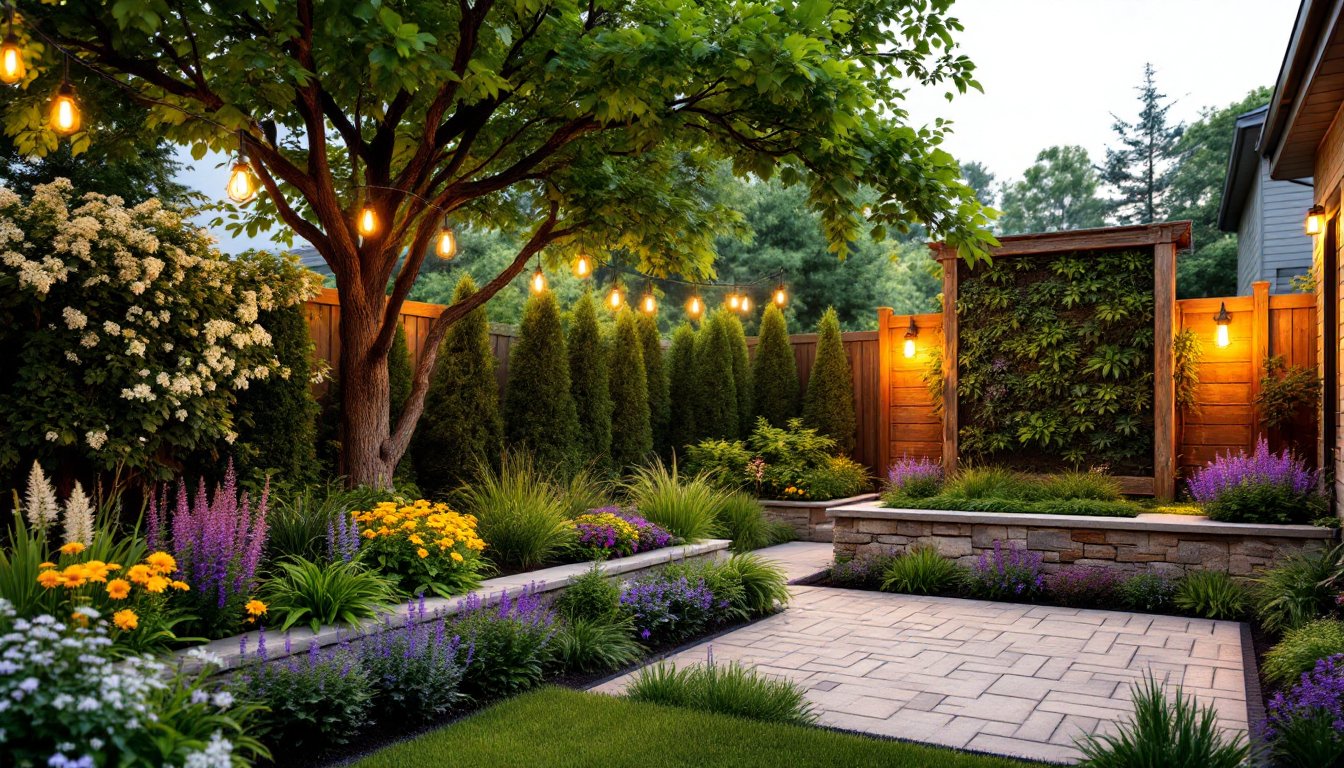
Backyard corners have a habit of collecting dead space. Too small for a patio, too far from the house to bother with, they end up as weed patches or random shrub dumping grounds. But those 90-degree angles hold serious potential. With the right approach, a neglected corner can become a focal point, somewhere guests gravitate toward, or a hardworking garden bed that anchors the whole yard. The trick is treating corners as opportunities, not afterthoughts. Whether a homeowner wants a quiet retreat, a burst of color, or something with actual function, these ideas turn tight angles into intentional design.
Table of Contents
ToggleKey Takeaways
- Corner landscaping ideas transform neglected backyard corners into focal points and functional spaces by treating them as intentional design opportunities rather than dead zones.
- Create a cozy corner seating area with a weather-resistant base, UV-rated furniture, and strategic plantings that provide privacy and frame the nook while solar or 12-volt landscape lighting extends usability after dark.
- Design vibrant corner garden beds using a layered approach with tall anchors in back, mid-height perennials for color, and low edging plants in front, then mulch and install soaker hoses for low-maintenance watering.
- Build multi-level terraced corners using pressure-treated timbers or retaining blocks to add dimension, solve drainage issues, and create distinct planting pockets suited to sun or shade exposure.
- Install corner water features like fountains or pondless waterfalls in tight spaces where two walls naturally amplify sound, and surround them with moisture-loving plants while maintaining weekly water top-offs and monthly pump cleaning.
- Add vertical elements such as trellises, pergolas, or privacy screens to make corners feel complete, provide year-round screening, and increase usable garden space without consuming square footage.
Why Backyard Corners Deserve Special Attention
Corners naturally catch the eye. They’re where two fence lines meet, where property boundaries shift, or where the yard transitions from lawn to garden. Ignoring them creates visual dead ends. Dressing them up pulls the whole landscape together.
From a practical standpoint, corners are often underused because they’re awkward to mow, water, or access. That makes them perfect candidates for low-maintenance hardscape, permanent plantings, or structures that don’t need weekly attention.
Corners also provide built-in backdrop. Two perpendicular fences or walls give instant structure for vertical plantings, trellises, or tiered designs. Instead of fighting that geometry, smart landscaping leans into it.
Finally, corners offer privacy without extra work. A well-placed bench, fountain, or dense planting bed creates a sense of enclosure that’s tougher to achieve in the middle of an open yard. For homeowners looking to carve out zones in a small lot, corners do half the job already.
Create a Cozy Corner Seating Area
A corner seating nook turns wasted space into the yard’s most-used spot. Start with a base layer: crushed gravel, paver stones, or a small concrete pad (4×4 feet minimum for two chairs). Gravel is cheapest and drains well, but pavers look cleaner and won’t migrate into the lawn.
Choose seating that fits the scale. A built-in L-shaped bench maximizes corner real estate and doubles as a planter edge. For a faster install, use two outdoor Adirondack chairs or a small bistro set. Anchor the furniture with outdoor rugs rated for UV and moisture, polypropylene holds up better than natural fibers.
Frame the seating with plantings. Low-growing perennials like hostas, lavender, or ornamental grasses soften hard edges without blocking sightlines. If privacy is the goal, flank the corner with evergreen shrubs (boxwood, arborvitae) or a trellis with climbing vines.
Lighting extends usability after dark. Solar path lights are easy but dim. For better output, run 12-volt landscape lighting on a timer, one uplight behind the seating, one or two path lights along the approach. Pair it with a small side table for drinks, and the corner becomes a destination, not a placeholder.
Design a Vibrant Corner Garden Bed
Corner beds work best when designed in layers: tall plants in back, mid-height in the middle, low groundcovers up front. This creates depth and keeps everything visible.
Start by defining the bed edge. Use landscape edging (metal, plastic, or stone) to separate turf from planting area. Dig out existing grass 4–6 inches deep, then amend the soil with compost (2–3 inches worked in). Most flowering perennials prefer well-draining soil with organic matter.
For the back corner, plant a vertical anchor, a small flowering tree (dogwood, redbud), a large shrub (hydrangea, viburnum), or a trellis with clematis or climbing roses. This gives the bed height and draws the eye upward.
Mid-layer plants should offer color or texture for multiple seasons. Consider coneflowers, daylilies, salvia, or Russian sage. Experienced gardeners often recommend pollinator-friendly plantings to support beneficial insects while adding movement and color.
Finish with low-growing edging plants: sedum, creeping thyme, or ajuga. These spill over the bed edge and soften transitions. Mulch the bed with 2–3 inches of shredded hardwood to suppress weeds and retain moisture. Replenish mulch annually.
Water new plantings deeply twice per week for the first month, then taper to once per week. A soaker hose on a timer simplifies watering and keeps foliage dry, reducing disease pressure.
Build a Multi-Level Corner Landscape
Terraced corners add dimension to flat yards and solve drainage problems on slopes. For beginners exploring basic yard projects, a two- or three-tier corner bed is a solid first build.
Materials matter. Pressure-treated 6×6 timbers are affordable and last 10–15 years. Concrete retaining blocks (with or without interlocking lips) go in faster and don’t rot. For a natural look, use stacked stone or large boulders, labor-intensive, but permanent.
Each tier should step back 12–18 inches from the one below it. This creates planting pockets and distributes soil weight. If the grade change exceeds 4 feet total, consult local building codes, many jurisdictions require engineered retaining walls above that height.
Fill each tier with a mix of topsoil and compost (60/40 ratio). Compact lightly as you go to prevent settling. Plant each level with species suited to its exposure: sun-lovers on top, shade-tolerant plants in lower tiers if the upper level casts shadow.
Install landscape fabric behind retaining materials to prevent soil migration but allow drainage. Never use solid plastic, it traps water and causes rot or frost heave.
Drainage is critical. Backfill 6–8 inches behind the retaining wall with crushed stone and run a perforated 4-inch drain pipe along the base, sloped to daylight. Without this, water pressure will push the wall out within a few freeze-thaw cycles.
Top tiers work well for herbs, succulents, or trailing plants like creeping phlox. Lower levels can handle larger perennials or small shrubs. The stair-step effect naturally draws attention and makes corners feel intentional.
Install a Corner Water Feature or Fountain
Water features bring sound, movement, and a sense of calm to tight spaces. Corners are ideal, two walls amplify the sound of running water without overpowering conversation.
Self-contained fountains are the easiest install. These recirculate water from a hidden reservoir and need only a GFCI-protected outlet within reach. Expect to run a 14-gauge outdoor extension cord or have an electrician install a weatherproof receptacle. Per NEC guidelines, outdoor outlets must have GFCI protection and a weatherproof cover.
Pondless waterfalls suit larger corners and offer more visual impact. Dig a reservoir pit (2×3 feet, 18 inches deep), line it with a flexible pond liner (45-mil EPDM), and stack stones or flagstone to create the waterfall face. A submersible pump (200–500 GPH for a small feature) pushes water to the top via buried vinyl tubing.
For a natural look, surround the feature with moisture-loving plants: ferns, astilbe, cardinal flower, or Japanese iris. Avoid overhanging trees, falling leaves clog pumps and turn water murky.
Maintenance includes topping off water weekly (evaporation) and cleaning the pump intake monthly. In cold climates, drain and store pumps indoors before the first freeze to prevent cracking.
If the corner gets full sun, consider adding a small pond with fish. Koi or goldfish control mosquito larvae, but they require a deeper pond (18–24 inches minimum) and winter planning. According to regional design resources, Western climates often favor low-water xeriscaping over traditional ponds, so choose features that match local conditions.
Permits are rarely required for small decorative fountains, but check local codes if digging deeper than 24 inches or running new electrical lines.
Add Vertical Elements and Privacy Screens
Vertical structures make corners feel finished and add privacy without eating up square footage. Options range from simple trellises to full pergolas, depending on budget and skill level.
Lattice panels (4×8 feet, cedar or vinyl) mount directly to fence posts or freestanding frames. Attach with galvanized screws or fence brackets. Train climbing vines like clematis, honeysuckle, or trumpet vine for seasonal coverage. For year-round screening, use evergreen climbers like English ivy (be cautious, it’s invasive in some regions).
Pergolas add overhead structure and define the corner as a room. A simple corner pergola uses two 4×4 posts anchored in concrete footings (12 inches diameter, 24–36 inches deep, below frost line). Cross beams are 2×6 or 2×8 lumber, spaced 12–16 inches apart. Stain or seal all wood before assembly, pressure-treated pine lasts longer but has a green tint that takes a season to weather.
If digging footings isn’t appealing, consider a freestanding privacy screen. Build a simple frame with 2×4s and fill it with horizontal slats, corrugated metal panels, or outdoor fabric. Weight the base with concrete blocks or anchor to the fence.
For edible corners, many homeowners integrate food-producing plantings on vertical supports, pole beans, cucumbers, and peas climb readily and yield heavily in small footprints.
Tall ornamental grasses (miscanthus, pampas grass) provide soft screening without structures. Plant in groups of three or five for impact. Grasses spread slowly but need division every 3–5 years.
Safety note: Always call 811 before digging post holes. Hitting buried utilities is dangerous and expensive. Most locator services respond within 48 hours.
Conclusion
Backyard corners stop being wasted space the moment they get intentional design. Whether it’s a seating nook, a layered garden bed, or a water feature, the key is matching the project to the site’s conditions and the homeowner’s skill level. Start with good prep, level ground, proper drainage, quality materials, and the corner will hold up for years. For ongoing success, regular landscape maintenance and smart water management keep corners looking sharp through every season.