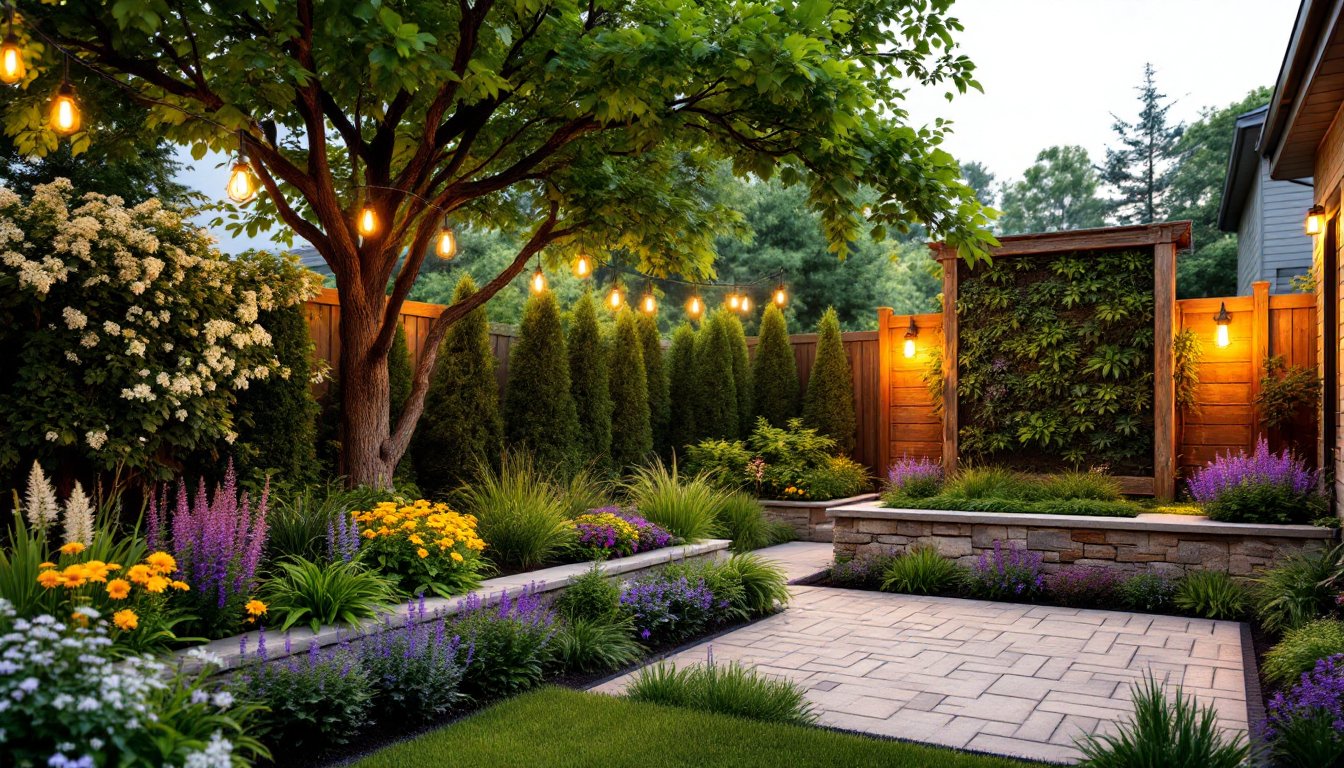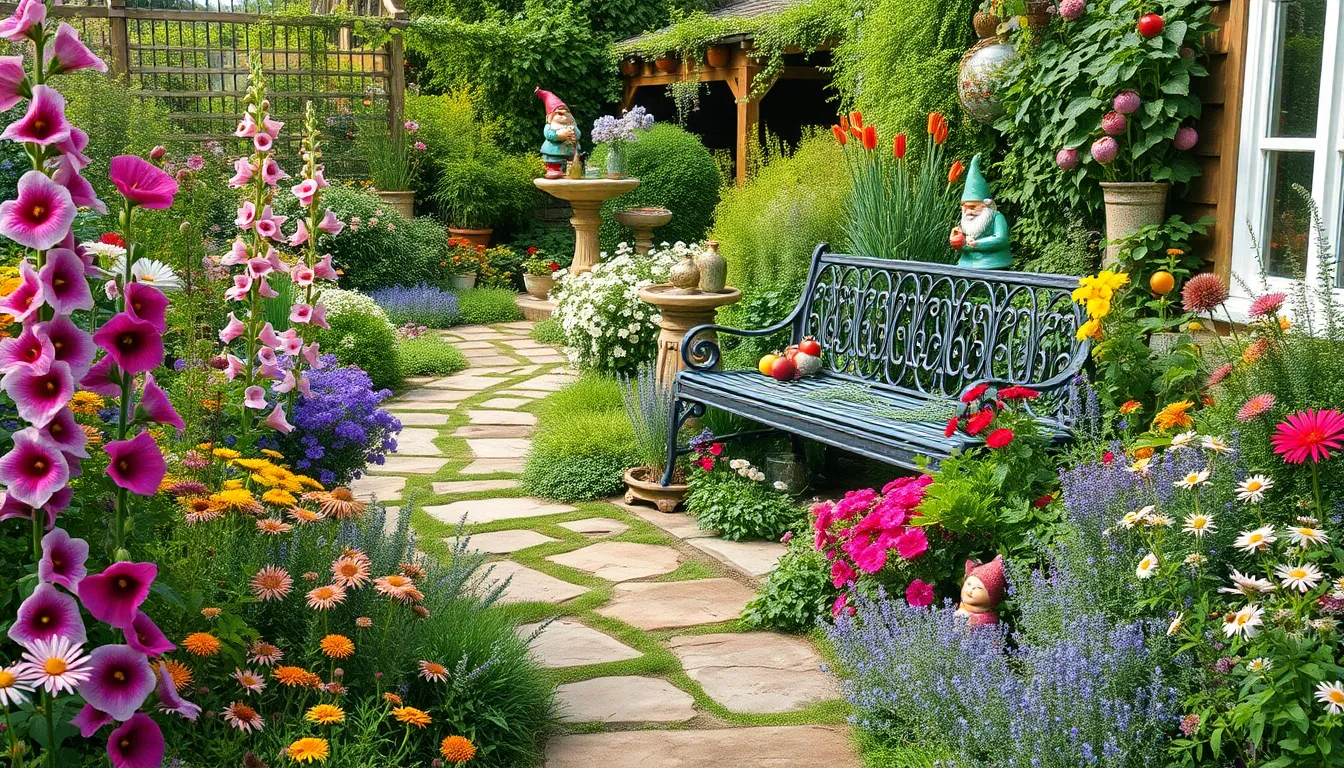
Imagine stepping into a whimsical world where flowers dance in the breeze and vegetables practically wave hello. Welcome to the enchanting realm of cottage gardens, where chaos meets charm and nature throws a garden party. These delightful spaces are more than just a collection of plants; they’re a celebration of creativity, personality, and the occasional rogue gnome.
Table of Contents
ToggleOverview Of Cottage Gardens
Cottage gardens feature a blend of flowers, herbs, and vegetables, creating a vibrant and colorful display. They often include a variety of plants growing closely together, which adds to the charming chaos of the space. These gardens thrive on informal designs, where neat rows become rare, and instead, plants spill over pathways and intermingle.
Flowers such as hollyhocks, daisies, and foxgloves add vertical interest, while low-growing plants like thyme and chamomile create ground cover. Seasonal changes bring new life, with blooms appearing in spring and fruits ripening in summer. Vegetables like tomatoes and zucchini often coexist alongside ornamental plants, further enriching the environment.
Garden ornamentation plays a vital role in the cottage garden aesthetic. Elements like wrought iron benches, birdbaths, and whimsical gnomes invite relaxation and add personality. Pathways made from natural stone or reclaimed materials create a sense of exploration, encouraging visitors to wander and discover hidden spots.
Sustainable gardening practices frequently attract enthusiasts. Cottage gardens can use composting, rainwater collection, and companion planting to create eco-friendly landscapes. They promote biodiversity, attracting beneficial insects like butterflies and bees, fostering a thriving ecosystem.
History reveals that cottage gardens originated in rural England, where they provided sustenance and beauty for families. The designs evolved over centuries, reflecting individual tastes and local flora. Today, these gardens continue to capture imaginations and serve as a testament to creativity and personal expression.
History And Evolution
Cottage gardens have a rich history rooted in rural England. These gardens started as practical spaces that combined beauty with utility, offering sustenance alongside vibrant blooms.
Origin Of Cottage Gardens
Cottage gardens trace their origin to England during the 16th century. Early gardeners cultivated these spaces around humble homes, growing essential herbs, vegetables, and flowers. Often, these gardens played a crucial role in household self-sufficiency. They combined mixing flowers like roses and pansies with practical plants such as garlic and parsley. Over time, the charm of cottage gardens attracted the attention of artists and writers, who celebrated their whimsical nature in various works.
Key Characteristics
Characteristic features define cottage gardens, highlighting their enchanting appeal. Plants usually grow closely, creating a lush, informal look. Varieties often include annuals and perennials, blending colors and textures. Notable flowers like hollyhocks, dahlias, and peonies stand tall amidst sprawling ground covers such as thyme and creeping phlox. These gardens often include pathways made from natural materials, enhancing the organic feel. Additionally, ornamentation like birdhouses and vintage furniture enriches the overall aesthetic, fostering a serene yet lively atmosphere.
Designing A Cottage Garden
Designing a cottage garden involves combining beauty and practicality, creating a unique and inviting space. A thoughtful approach generates an engaging atmosphere, encouraging exploration and enjoyment.
Layout And Structure
Creating a layout starts with embracing informality. Use winding pathways that encourage wandering and discovery. Paths made of natural materials like gravel or stone complement the organic feel. Grouping plants together enhances the lush appearance, allowing various species to intermingle. Designing with varying heights adds visual interest; taller plants like hollyhocks stand among lower varieties. Adding cozy seating areas makes for inviting nooks where one can relax amid the blooms.
Plant Selections
Choosing plants comes down to diversity and color. Select a mix of perennials and annuals for year-round interest. Popular choices include vibrant dahlias and fragrant roses. Incorporating herbs such as mint and chives adds utility alongside beauty. Combining ground covers like creeping thyme with taller flowers creates an appealing texture contrast. Seasonal selections, like sunflowers in summer, provide dynamic changes throughout the year. Prioritizing native plants supports local wildlife and ensures the garden thrives sustainably.
Maintaining A Cottage Garden
Maintaining a cottage garden requires attention to seasonal changes and pest management to ensure vibrant growth. Regular care helps sustain the enchanting charm these gardens are known for.
Seasonal Care Tips
Winter care involves mulching to protect roots from frost. Spring marks a time for cleaning flower beds and pruning perennials for renewed growth. During summer, watering becomes essential, especially for vegetable patches and newly planted flowers. Autumn dictates the need for harvesting, as well as cutting back spent foliage to prepare the garden for winter. Adding compost each season enriches soil, supporting plant health and productivity year-round.
Common Pests And Solutions
A variety of pests may threaten the health of a cottage garden. Aphids commonly infest tender shoots, but natural predators like ladybugs can help manage their population. Slugs often damage leaves at night; using copper barriers or handpicking can curb their activity. Additionally, caterpillars may feast on plants; introducing beneficial insects or employing organic insecticides promotes ecological balance. Recognizing these pests and implementing effective strategies ensures a thriving, picturesque garden.
Benefits Of A Cottage Garden
Cottage gardens promote biodiversity by attracting a variety of pollinators and beneficial insects. They create a habitat for butterflies, bees, and ladybugs, enhancing local ecosystems. Furthermore, these gardens offer year-round beauty through diverse plant selections. Seasonal changes reveal new blooms in spring, vibrant colors in summer, and rich textures in fall.
Cottage gardens provide fresh produce and herbs, promoting sustainable living. Vegetables like tomatoes and zucchini contribute to home cooking, while herbs such as mint and chives enhance meals with fresh flavors. Additionally, they encourage outdoor activity through gardening tasks like weeding and harvesting. Physical engagement fosters well-being while connecting individuals with nature.
These gardens serve as a retreat, offering spaces for relaxation and contemplation. Cozy seating areas nestled among blooms invite peaceful moments outdoors. Creative design elements like stone pathways and whimsical ornamentation enhance this tranquil atmosphere.
Cottage gardens require minimal upkeep due to their naturalistic approach. Choosing hardy plants ensures resilience, reducing the need for extensive maintenance. Regular care focuses on seasonal tasks, making it manageable for gardeners of all experience levels.
Incorporating native plants supports local wildlife, ensuring sustainability. Native selections thrive in local conditions, reducing the need for pesticides and excessive watering. This conscientious choice contributes to ecological balance.
Cottage gardens inspire creativity and self-expression. The informal layout encourages personalization through plant selection and decorations. Each gardener can reflect their personality, cultivating unique, enchanting spaces that captivate.
Cottage gardens embody a unique blend of beauty and practicality that captivates gardeners and nature lovers alike. Their enchanting charm lies in the vibrant mix of plants and the whimsical elements that invite exploration and creativity. These gardens not only provide a feast for the eyes but also promote biodiversity and sustainability.
By embracing the informal layouts and diverse plant selections, anyone can create a personal oasis that reflects their style. The benefits extend beyond aesthetics, offering fresh produce and a serene space for relaxation. With a little care and creativity, cottage gardens continue to inspire and thrive, making them a cherished addition to any landscape.