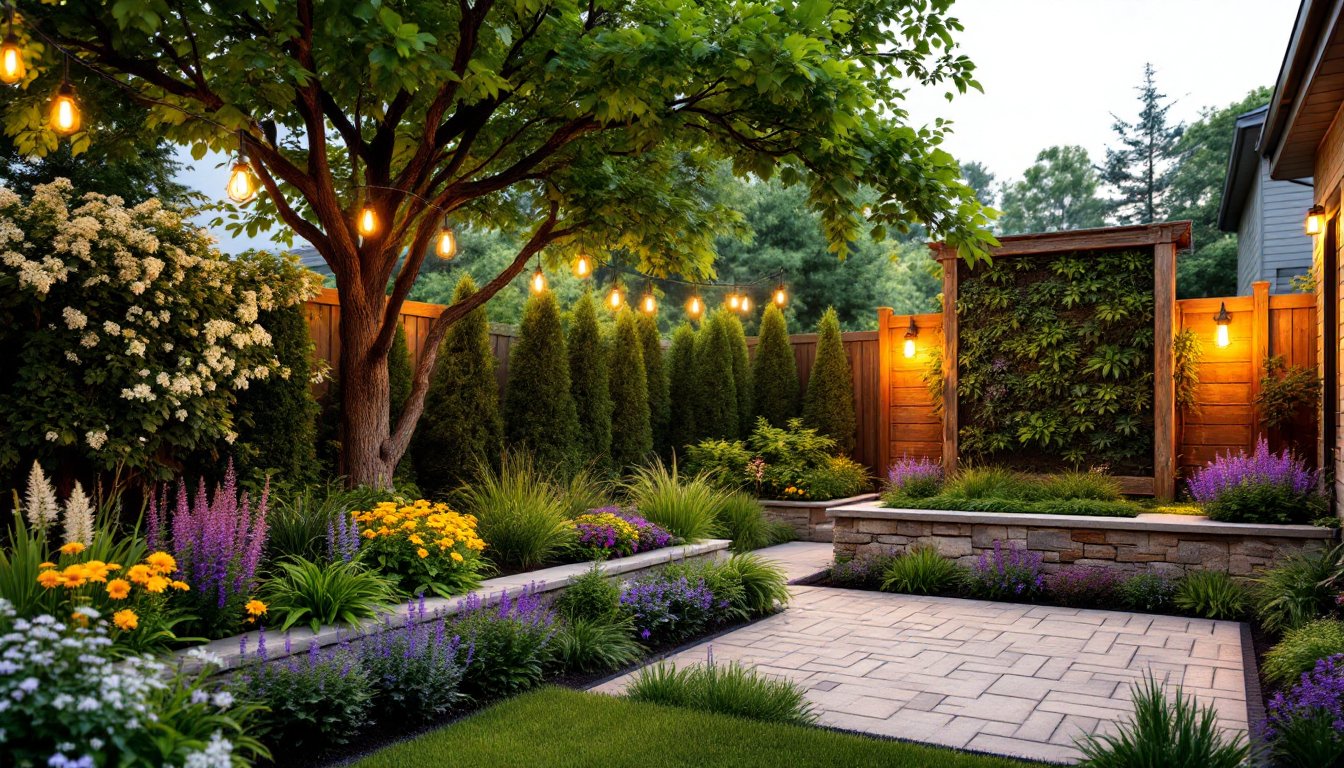
Ranch homes, those classic, sprawling single-stories that define mid-century American neighborhoods, deserve a front yard that honors their clean, horizontal architecture. But too many homeowners slap on generic foundation plantings and call it a day. That’s a missed opportunity. Proper ranch style landscaping doesn’t just add curb appeal: it amplifies the home’s low-slung profile, creates natural flow from structure to lawn, and establishes balance that makes the entire property feel intentional. Whether the goal is boosting resale value or simply enjoying a cohesive look every time someone pulls into the driveway, getting the landscaping right requires understanding what makes these homes tick, and then translating that into plant choices, hardscaping, and layout decisions that work.
Table of Contents
ToggleKey Takeaways
- Front yard ranch style landscaping should emphasize horizontal lines and low-profile plants that echo the home’s clean, single-story architecture rather than overwhelm it.
- Balance visual weight through asymmetrical plantings like placing ornamental trees on one side to offset garage bulk, avoiding rigid mirror-image designs.
- Select dwarf shrubs, ornamental grasses, and groundcovers that stay under 3 feet tall, with specimen trees like Japanese maple or crabapple reaching only 15-25 feet to remain proportional.
- Hardscaping elements such as poured concrete walkways, stacked stone retaining walls, and low-voltage lighting should complement the ranch home’s mid-century aesthetic while maintaining open, uncluttered spaces.
- Proper soil preparation and spacing (3-4 feet apart for shrubs) are essential for establishment, along with a phased installation approach that spreads costs and allows time to observe how your landscape functions.
What Makes Ranch Style Landscaping Unique?
Ranch homes are defined by their horizontal architecture: low rooflines, wide facades, and minimal vertical elements. The landscaping should echo that same emphasis rather than fight it. Tall, spiky plants or towering evergreens can overwhelm the structure and make the home feel squat. Instead, successful ranch landscaping uses low-profile shrubs, groundcovers, and ornamental grasses that draw the eye side-to-side rather than up.
Another hallmark is asymmetrical balance. Unlike a formal colonial or Victorian, ranch homes often feature off-center front doors, attached garages that dominate one side of the facade, and picture windows that anchor visual weight. The front yard should balance these elements without forcing rigid symmetry. That might mean clustering taller shrubs on the garage side to offset its bulk, or using a curving walkway to soften a straight-shot driveline.
Finally, ranch landscaping should feel open and uncluttered. These homes were built to blur the line between indoor and outdoor living. Overplanting or adding fussy ornamental beds defeats that purpose. Space between plantings, generous lawn areas, and clean transitions between hardscape and greenery maintain the home’s original intent.
Design Principles for Ranch Home Front Yards
Emphasizing Horizontal Lines and Low Profiles
Everything in the landscape should reinforce the home’s horizontal sweep. That means selecting plants that spread rather than spike. Foundation plantings should max out at window-sill height, typically 24 to 36 inches, so they don’t block views or light. Dwarf varieties of boxwood, spirea, or burning bush work well here.
For beds that extend beyond the foundation, layer plants by height. Place groundcovers like creeping juniper or sedum in front, mid-height perennials (18 to 24 inches) in the middle, and save anything taller for corners or endpoints where vertical interest won’t compete with the roofline. Avoid columnar evergreens or upright junipers near the front door unless the goal is to frame an entryway, and even then, keep them under 5 feet.
Hardscaping should follow the same logic. Long, low retaining walls made from stacked stone or poured concrete can define planting beds without adding height. Horizontal board fencing or split-rail designs complement the architecture better than tall privacy fences, which can make the yard feel boxed-in.
Creating Balance and Symmetry
Balance doesn’t mean mirror-image plantings on either side of the front door. Ranch homes rarely support that approach because their facades aren’t symmetrical to begin with. Instead, aim for visual weight distribution. If the garage occupies the right third of the home, plant a small ornamental tree or cluster of shrubs on the left to balance it out. A Japanese maple, redbud, or serviceberry works well, none will outgrow the roofline if properly selected.
Repeat plantings across the front yard to create rhythm. For example, use the same dwarf shrub species every 6 to 8 feet along the foundation, or plant matching ornamental grasses at either end of a long planting bed. This repetition unifies the space without forcing strict symmetry. According to design experts at Gardenista, repeating plant groupings in odd numbers (three or five) creates a more natural, less formal look that suits ranch homes.
Pay attention to the driveway and walkway. If the drive runs along one side of the lot, consider how landscape transitions near driveways can tie the pavement into the overall design. A curving path from the driveway to the front door softens the hard lines and draws visitors toward the entry rather than forcing them to walk a straight shot across concrete.
Best Plant Choices for Ranch Style Landscapes
Shrubs should do the heavy lifting in ranch landscaping. Dwarf cultivars of burning bush (Euonymus alatus ‘Compactus’), Japanese barberry (Berberis thunbergii), and boxwood (Buxus sempervirens ‘Suffruticosa’) stay under 3 feet and provide year-round structure. For seasonal color, consider spirea (Spiraea japonica), which blooms in late spring and tolerates a range of soil conditions.
Ornamental grasses add movement and texture without height. Blue fescue (Festuca glauca), Japanese forest grass (Hakonechloa macra), and fountain grass (Pennisetum alopecuroides) all stay below 24 inches and offer four-season interest. Grasses also require minimal maintenance, cut them back once in early spring and they’re good to go.
Groundcovers fill gaps and reduce mulch needs. Creeping juniper (Juniperus horizontalis), creeping phlox (Phlox subulata), and ajuga (Ajuga reptans) spread quickly and suppress weeds. For shaded areas near the foundation, pachysandra or hostas work well, though hostas will need division every few years as they expand.
Trees should be chosen carefully. A single specimen tree, placed off to one side of the yard, provides vertical interest without overwhelming the home. Ornamental varieties like crabapple (Malus spp.), dogwood (Cornus florida), or Japanese maple (Acer palmatum) mature at 15 to 25 feet, making them proportional to a single-story home. Avoid large shade trees like oaks or maples in the front yard: they’ll eventually dwarf the house. Those are better suited for backyards or side lots.
For homeowners who want edible options, low-growing fruit-bearing plants for front yards like blueberry bushes (Vaccinium corymbosum) can double as ornamental foundation plantings while producing a harvest. Blueberries offer spring flowers, summer fruit, and fall color, all while staying under 4 feet if pruned annually.
Hardscaping Elements That Complement Ranch Homes
Walkways and patios should use materials that echo the home’s era and style. Poured concrete, flagstone, and brick pavers all work well. For a true mid-century look, consider aggregate concrete with exposed pebbles or a brushed finish, it was a common driveway and walkway treatment in the 1950s and ’60s and still reads as period-appropriate today.
Keep walkways wide, at least 48 inches, to maintain that open, generous feel. Narrow paths feel cramped and contradict the home’s horizontal flow. If the front door sits 30 or 40 feet from the driveway, a gentle curve in the walkway adds visual interest and makes the approach feel more inviting.
Retaining walls can define planting beds or level out sloped yards. Stacked stone, concrete block, or timber all work, but keep heights low, under 24 inches if possible. Taller walls require engineering and may need permits depending on local building codes. For walls over 4 feet or those supporting significant load, consult a licensed contractor.
Edging is non-negotiable. Metal, plastic, or stone edging keeps mulch in beds and grass out. It also creates clean lines that reinforce the home’s horizontal emphasis. Aluminum or steel edging is the easiest to install and lasts decades. Plastic edging is cheaper but can heave with freeze-thaw cycles.
Lighting should be subtle. Low-voltage LED path lights (around 3 watts per fixture) can line walkways or highlight specimen plantings without turning the yard into a landing strip. Avoid spotlights aimed directly at the home’s facade, they create harsh shadows and wash out architectural details. Instead, use well lights or uplights positioned near trees or shrubs to cast soft, indirect light. According to landscape guides on The Spruce, well-placed lighting extends curb appeal into evening hours and improves safety along walkways.
DIY Installation Tips for Your Ranch Front Yard
Start with a site plan. Measure the front yard and sketch it to scale on graph paper (1 square = 1 foot works well). Mark existing features: driveway, walkway, utility boxes, hose bibs, and downspouts. Then draw in proposed beds, plantings, and hardscape. This prevents overbuying plants and ensures proper spacing.
Spacing matters. Most foundation shrubs should sit 3 to 4 feet apart to allow for mature spread. Planting too close creates a jungle in five years and forces constant pruning. Check the plant tag for mature width and space accordingly. For those new to the process, general beginner landscaping principles can help avoid common spacing and layout mistakes.
Soil prep is critical. Ranch homes are often built on compacted fill dirt that drains poorly. Amend planting beds with 2 to 3 inches of compost worked into the top 8 to 12 inches of soil. If the site has heavy clay, consider raising beds by 4 to 6 inches using topsoil or a compost blend. This improves drainage and gives roots room to establish.
When installing pavers or walkways, excavate to a depth of 8 inches for pedestrian paths (12 inches if the path will see vehicle traffic, like a crossover to the driveway). Lay 4 inches of compacted gravel as a base, top with 1 inch of leveling sand, then set pavers. Compact everything with a plate compactor (rent one for about $60/day). Skipping compaction leads to settling and uneven surfaces within a year.
Plant installation: Dig holes twice as wide as the root ball but no deeper. The top of the root ball should sit level with or slightly above the surrounding soil. Backfill with native soil (not amended soil, roots need to transition to what’s already there). Water thoroughly after planting, then mulch with 2 to 3 inches of shredded hardwood or pine bark. Keep mulch a few inches away from plant stems to prevent rot.
Irrigation can be as simple as soaker hoses on a timer or as complex as an in-ground system. For most ranch front yards, a drip irrigation setup with ½-inch poly tubing and emitters placed near each plant is a good middle ground. It’s DIY-friendly, water-efficient, and expandable. Run it off a hose bib timer (around $30) and set it to water early morning, two to three times per week during establishment.
Safety: Wear gloves when handling plants (some, like barberry, have thorns). Use safety glasses when cutting pavers or mixing concrete. If digging deeper than 12 inches, call 811 to have utilities marked, hitting a gas or electric line isn’t just dangerous, it’s expensive. For ongoing care, routine landscape maintenance tasks like mulch refreshing and seasonal pruning will keep the front yard looking sharp.
Finally, don’t rush. A phased approach, installing beds one season, hardscaping the next, spreads out costs and effort. According to regional home improvement resources like Sunset, breaking projects into manageable stages also allows homeowners to observe how the yard functions before committing to permanent changes. The goal is a front yard that looks like it’s always belonged there, not one that screams “project weekend.”