In a world where smart fridges can tell you when you’re out of milk and your thermostat learns your favorite temperature, it’s time to give your home a makeover that even the Jetsons would envy. Modernizing your space isn’t just about aesthetics; it’s about creating a sanctuary that reflects your lifestyle while boosting functionality.
Table of Contents
ToggleUnderstanding Modernization
Modernizing a home involves updating its design and functionality to reflect contemporary preferences. This transformation enhances comfort and increases the property’s value.
Defining Modern Home Aesthetics
Modern home aesthetics emphasize simplicity, clean lines, and open spaces. Incorporating neutral color palettes creates a serene environment. Natural materials like wood and stone contribute warmth and authenticity. Innovative lighting features enhance ambiance and showcase architectural details. Emphasizing minimalism results in an uncluttered feel, allowing for personal expression through carefully selected decor.
Key Benefits of Modernizing Your Home
Modernization improves energy efficiency, leading to lower utility costs. Incorporating smart technology automates daily tasks, enhancing convenience. Upgraded features increase home value, making it more appealing to potential buyers. Aesthetic improvements create a welcoming atmosphere for residents and guests alike. Enhancing safety with modern materials and systems protects against hazards, offering peace of mind.
Assessing Your Current Space
Assessing the current space in a home serves as the foundation for effective modernization. Homeowners should identify areas that require updates to improve both functionality and aesthetics.
Identifying Areas for Improvement
Start by evaluating each room’s layout and flow. Notice any outdated features, like old fixtures or faded paint. Examine natural light sources and how they impact the atmosphere. Measure spaces to determine if they’re being used efficiently. Consider the home’s overall energy efficiency, especially windows and insulation. Document any concerns that stand out, such as cramped areas or insufficient storage. Highlight elements that clash with modern design principles. Review any technology currently in use and how it integrates into daily life.
Creating a Modernization Plan
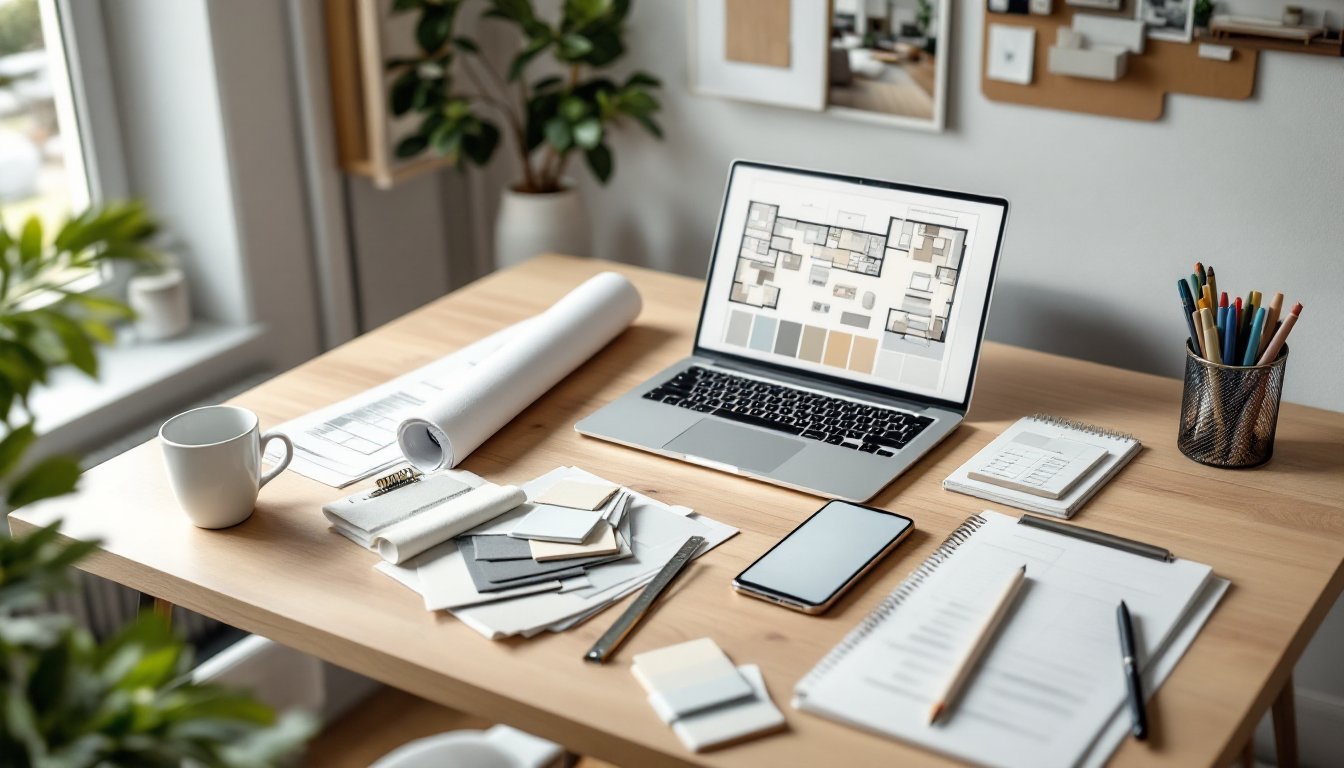
Crafting a modernization plan involves outlining priorities based on assessments. Organize improvements by focusing on the most impactful areas first. Allocate a budget for each phase of the project; this helps in gauging feasibility. Include desired design elements that align with contemporary trends, such as open spaces and neutral palettes. Set a timeline for each update to track progress effectively. Collaborate with professionals for expert advice on complex changes. Ensure that every step taken maintains safety and complies with local regulations. Revisit the plan regularly, allowing for adjustments as the project progresses.
Interior Upgrades
Modernizing the interior of a home enhances both its look and functionality. Focus on creating spaces that reflect contemporary styles and technology.
Choosing Modern Furniture Styles
Selecting modern furniture is crucial for achieving an updated aesthetic. Minimalist designs featuring clean lines and neutral colors create a sleek environment. Prioritize comfort and functionality by choosing versatile pieces like sectional sofas or adjustable coffee tables. Incorporate natural materials such as wood and metal for a timeless appeal. Explore options that offer storage solutions to maximize space, especially in smaller rooms. Seek out pieces that complement existing decor while adding a touch of contemporary flair. Investing in quality products ensures durability and enhances the overall value of the home.
Incorporating Smart Home Technology
Integrating smart home technology significantly upgrades a residence. Smart thermostats optimize energy consumption while maintaining comfort levels. Voice-controlled devices streamline daily tasks for convenience and efficiency. Products like smart lighting systems allow customization of ambiance with just a voice command or app. Security systems, including cameras and smart locks, enhance safety through remote monitoring. Homeowners benefit from energy management solutions that track usage patterns, leading to cost savings. Incorporating these technologies not only improves functionality but also aligns with modern lifestyle preferences.
Exterior Enhancements
Exterior enhancements play a crucial role in modernizing a home, significantly improving its aesthetic appeal and overall value.
Updating Curb Appeal
Updating curb appeal starts with the front door. A fresh coat of paint or a stylish new design creates an inviting entry. Adding energy-efficient windows can enhance aesthetics and lower energy costs. Upgrading outdoor lighting with LED fixtures improves both safety and ambiance. Fresh landscaping elements like planters filled with seasonal flowers can also make a noticeable difference. Modern house numbers and mailbox designs contribute to a polished exterior look. Lastly, maintaining a clean and tidy pathway ensures the home presents a welcoming atmosphere.
Landscaping for a Modern Look
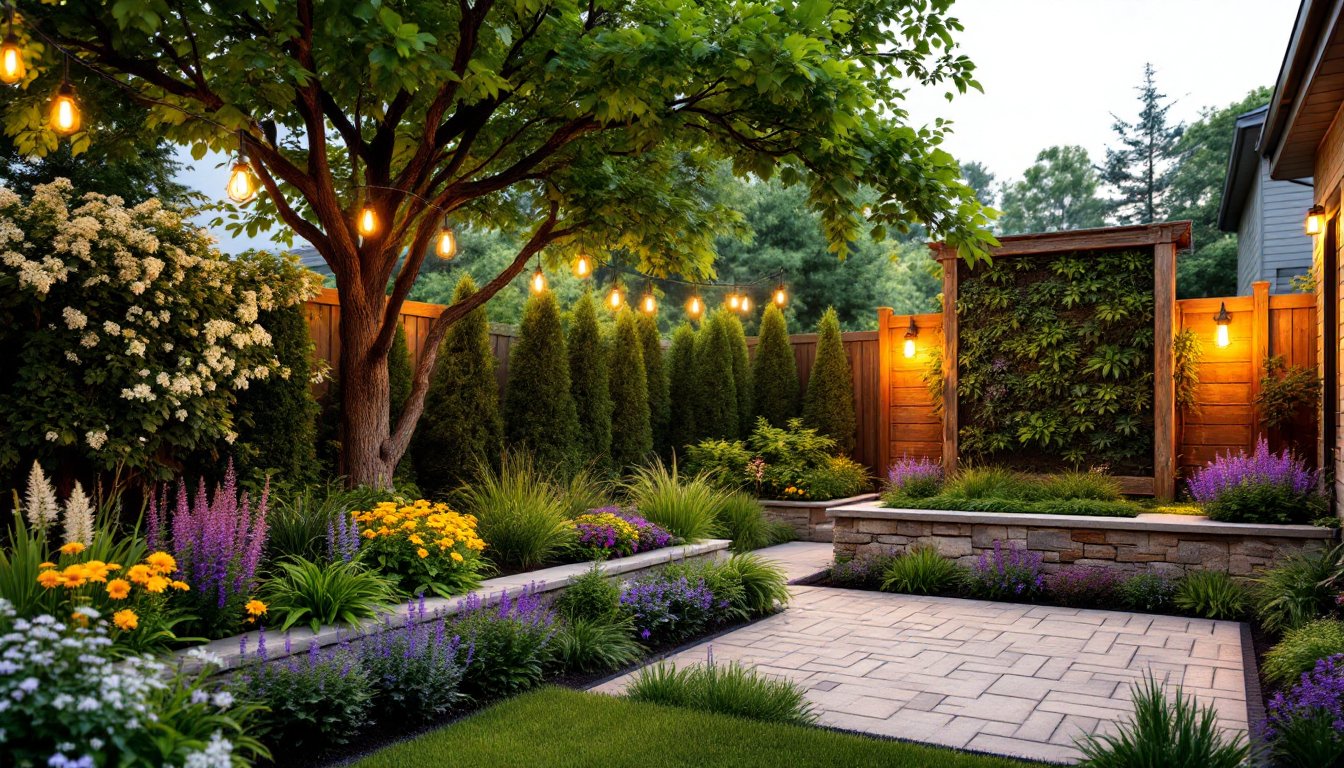
Landscaping for a modern look emphasizes clean lines and minimalism. Native plants and drought-resistant greenery reduce maintenance while promoting sustainability. Incorporating hardscaping elements, such as stone patios or wooden decks, adds functional outdoor spaces. Using boulders and ornamental grasses can create a contemporary feel, blending nature with modern design. Utilizing vertical gardens or elaborate fences enhances privacy while offering aesthetic value. Installing outdoor furniture with sleek, modern designs allows for relaxation and socializing. Together, these landscaping techniques significantly elevate the home’s exterior appeal.
Sustainable Modernization Practices
Sustainable modernization practices enhance both the environment and the home. Energy efficiency and eco-friendly materials play crucial roles in this process.
Energy-Efficient Solutions
Energy-efficient solutions significantly lower utility costs while improving home comfort. Implementing smart thermostats adjusts temperatures based on occupancy, leading to reduced energy consumption. Additionally, energy-efficient appliances consume less electricity, ensuring both savings and environmental benefits. Incorporating LED lighting also enhances efficiency, providing longer-lasting and more effective illumination. Installing solar panels generates renewable energy, further decreasing reliance on non-renewable resources. Homeowners benefit from these upgrades through lower bills and a reduced carbon footprint.
Choosing Eco-Friendly Materials
Choosing eco-friendly materials contributes to healthier living spaces. Opt for sustainable products like bamboo flooring or reclaimed wood, which minimize environmental impact. Low-VOC paints improve air quality and reduce harmful emissions. Furthermore, incorporating natural stone or recycled materials in countertops supports sustainability without sacrificing aesthetic appeal. Prioritizing energy-efficient windows not only enhances insulation but also provides a seamless blend of style and functionality. These choices create a welcoming home that aligns with modern values while promoting environmental stewardship.
Modernizing a home is more than just a trend; it’s a commitment to enhancing comfort and functionality. By embracing contemporary design elements and smart technology, homeowners can create spaces that truly reflect their lifestyles.
Sustainable practices further elevate this transformation, promoting environmental responsibility while improving energy efficiency. The journey to a modernized home begins with a thoughtful assessment of current spaces and a clear plan for upgrades.
With the right approach, homeowners can achieve a beautiful and efficient sanctuary that stands the test of time. Investing in modernization not only boosts property value but also enriches daily living experiences.