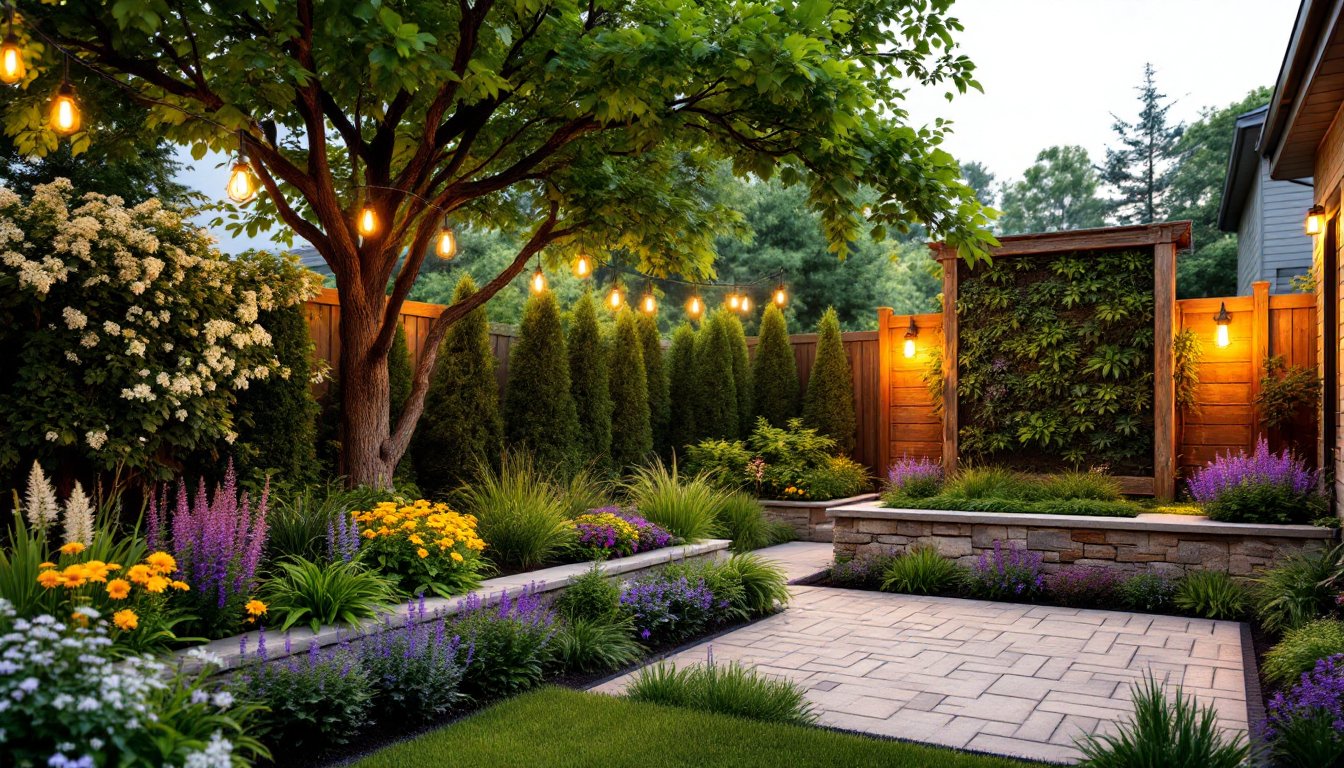
Your home’s exterior is the handshake before the conversation, it sets expectations before anyone steps through the door. Landscaping for curb appeal isn’t about creating a magazine cover: it’s about designing an entrance that looks intentional, well-maintained, and welcoming. Whether you’re prepping for a sale or just tired of the scrubby lawn and mismatched shrubs, strategic landscaping delivers measurable impact. This guide walks through the foundational work, plant choices, hardscaping upgrades, and finishing details that turn a forgettable frontage into a standout entry.
Table of Contents
ToggleKey Takeaways
- Well-maintained landscaping for curb appeal directly increases property value and can recoup 100% or more of the investment, while also creating a welcoming first impression in seconds.
- A strong foundation starts with healthy turf management: core aeration, clean edging, proper mowing height (3–3.5 inches), and consistent maintenance create the visual structure that anchors all curb appeal upgrades.
- Strategic plant selection should layer depth with taller specimens at corners, mid-height foundation shrubs, and groundcovers at edges—avoiding uniform ‘green meatball’ plantings that hide architectural detail.
- Hardscape elements like pavers, retaining walls, and defined walkways (minimum 36 inches wide) provide durable structure and transform curb appeal from pleasant to polished with minimal long-term upkeep.
- Finishing touches including low-voltage path lighting, visible address numbers, and restrained decorative accents complete a cohesive landscape that functions both day and night.
- Choosing native plants suited to your USDA hardiness zone and climate reduces maintenance, water needs, and stress while delivering reliable performance over time.
Why Landscaping Matters for Your Home’s Curb Appeal
Curb appeal directly affects property value, buyer interest, and neighborhood perception. Real estate studies consistently show that well-landscaped homes sell faster and command higher offers, often recouping 100% or more of the investment. But even if selling isn’t on the radar, a thoughtful front yard changes how homeowners feel pulling into the driveway.
First impressions form in seconds. A patchy lawn, overgrown foundation plantings, or cracked walkway signals neglect. Conversely, clean edges, healthy greenery, and defined pathways communicate care. It’s not about perfection, it’s about clarity of intent.
Landscaping also serves functional roles: proper grading prevents water pooling near foundations, shade trees reduce cooling costs, and dense plantings buffer street noise. The aesthetic payoff comes alongside practical benefits, making this one of the highest-return DIY investments a homeowner can tackle.
Start with a Solid Foundation: Lawn Care and Maintenance
A healthy lawn anchors every curb appeal upgrade. Before adding plants or pavers, assess turf condition and address bare spots, weeds, and compaction. Spring and fall are ideal for overseeding cool-season grasses like fescue or bluegrass: warm-season varieties such as Bermuda or zoompreferably go down in late spring.
Core aeration improves root penetration in compacted soil. Rent a gas-powered aerator (around $70–$100 for a day) and make two passes in perpendicular directions. Follow with topdressing, a 1/4-inch layer of compost or sand blend, to level low spots and introduce organic matter.
Edge definition separates turf from beds and hardscape. Use a half-moon edger or a flat spade to cut a clean 2–3 inch trench along borders. This simple step creates instant visual structure. Mulch beds with shredded hardwood or pine bark (2–3 inches deep) to suppress weeds and retain moisture. One cubic yard covers roughly 100 square feet at 3 inches.
Mowing height matters. Set blades to 3–3.5 inches for most cool-season grasses: taller blades shade roots and crowd out weeds. Mow when dry, and leave clippings to return nitrogen to the soil. Consistent maintenance routines, including proper landscape care practices, keep turf dense and resilient.
Create Visual Interest with Strategic Plant Selection
Plantings should frame the home, not hide it. The goal is layered depth: taller specimens at corners or beside entries, mid-height shrubs along the foundation, and groundcovers or perennials at the front edge. Avoid the “green meatball” look, uniform foundation shrubs that obscure windows and architectural detail.
Foundation plantings anchor the home visually. Choose evergreens for year-round structure: boxwood (Buxus), inkberry holly (Ilex glabra), or dwarf conifers like ‘Green Mountain’ boxwood or ‘Blue Star’ juniper. These maintain scale without outgrowing their space. Space plants based on mature width, not nursery size, most foundation shrubs need 3–4 feet center-to-center.
Add seasonal color with perennials and ornamental grasses. Daylilies (Hemerocallis), coneflowers (Echinacea), and black-eyed Susans (Rudbeckia) offer reliable blooms in full sun. Shade-tolerant options include hostas, astilbes, and heucheras. Grasses like ‘Karl Foerster’ feather reed grass or ‘Morning Light’ miscanthus provide vertical accent and movement.
Tree placement requires foresight. Small ornamentals, serviceberry (Amelanchier), redbud (Cercis canadensis), or Japanese maple (Acer palmatum), work near entries or property lines. Avoid planting large shade trees within 15 feet of foundations or under overhead utilities. Check mature spread and root zones before digging.
Choosing the Right Plants for Your Climate and Style
Climate dictates plant success. Verify your USDA hardiness zone and select species rated for it, pushing zone limits usually means winter dieback or summer stress. Native plants often outperform exotic introductions, requiring less water and maintenance once established.
Regional style informs plant palette. Formal landscapes favor clipped hedges, symmetrical layouts, and restrained color. Cottage or naturalistic styles embrace mixed borders, drifts of perennials, and relaxed pruning. Xeriscaping uses drought-tolerant natives and mulch to minimize irrigation, ideal for arid climates.
Soil testing (available through county extension offices for $10–$20) reveals pH and nutrient levels. Amend soil before planting: sulfur lowers pH for acid-loving plants like azaleas, while lime raises it for alkaline-preferring species. Incorporate compost (2–3 inches tilled into the top 6 inches) to improve structure and fertility.
Group plants by water needs. Place thirsty perennials near hose bibs or irrigation zones, and tuck drought-tolerant varieties in hot, dry spots. Mulch all plantings to conserve moisture and moderate soil temperature. Following proven beginner landscaping principles prevents common pitfalls like overcrowding or mismatched watering requirements.
Hardscaping Elements That Make an Impact
Hardscape defines structure and durability. Walkways, edging, retaining walls, and decorative stone outlast plantings and require minimal upkeep. Well-executed hardscape transforms curb appeal from pleasant to polished.
Walkways should be at least 36 inches wide to allow comfortable two-way passage. Materials include concrete pavers (interlocking or modular), flagstone, brick, or poured concrete. Pavers offer flexibility, they shift with freeze-thaw cycles without cracking, and come in varied colors and patterns. Set pavers on a compacted gravel base (4–6 inches of crushed stone) topped with 1 inch of sand for leveling. Use a plate compactor (rentals run $50–$80/day) to ensure stability.
Edging contains mulch and prevents turf creep. Options range from plastic landscape edging (easy install, budget-friendly) to steel or aluminum (clean lines, long-lasting) to brick or stone (traditional, labor-intensive). Install edging flush with soil grade so mower wheels can ride over it.
Retaining walls handle grade changes and create planting terraces. Segmental retaining wall blocks (SRW) stack without mortar and include interlocking lips for stability. Walls over 4 feet typically require engineering and permits, consult local building codes. Backfill with drainage gravel and install perforated drain pipe at the base to manage hydrostatic pressure.
Decorative rock or river stone adds texture in dry streambeds, around downspouts, or as mulch alternatives. Pea gravel works for pathways but migrates easily: contain it with edging. Crushed granite or decomposed granite (DG) compacts firmly for walkways and patios in arid regions.
Hardscape projects around driveway entries unify the approach and boost overall curb appeal. Always call 811 before digging to mark underground utilities.
Add Finishing Touches with Lighting and Accessories
Details elevate a landscape from functional to memorable. Outdoor lighting extends usability, improves safety, and highlights architectural or plant features after dark.
Path lighting guides visitors and defines walkway edges. Low-voltage LED fixtures (12V systems) are DIY-friendly and energy-efficient. Transformers step down household 120V current: size the transformer to handle total wattage plus 20% overhead. Bury cable 6 inches deep in conduit or direct-burial rated wire. Space fixtures 8–10 feet apart along paths for even illumination.
Accent lights uplight trees, wash facades, or spotlight specimen plantings. Bullet or well lights focus narrow beams: wash lights spread wider coverage. Aim fixtures to avoid glare into windows or neighboring properties. Many homeowners find inspiration from city garden lighting strategies that maximize small spaces.
Address numbers should be visible from the street, 4–6 inch numerals in contrasting color. Mount them on the house, mailbox, or a dedicated post with illumination. Stainless steel, brushed brass, or painted wood suit different architectural styles.
Mailbox and post replacement is a quick visual upgrade. Secure posts in concrete footings (24 inches deep in cold climates to prevent frost heave). Paint or stain wood posts, or opt for composite or metal for longevity.
Decorative elements, urns, window boxes, or sculptural pieces, add personality but require restraint. One or two well-chosen accents work better than cluttered collections. Window boxes should be 1/3 to 1/2 the width of the window. Mount with lag screws into framing, not just siding, and line boxes with plastic to prevent rot.
Seasonal containers flanking the entry offer flexible color. Use lightweight resin or fiberglass pots for mobility: terra cotta cracks in freeze-thaw cycles unless rated for frost. Fill containers with potting mix (not garden soil), and group plants with similar water needs. Incorporating ideas from trusted sources like The Spruce helps refine plant pairings and container design.
Conclusion
Curb appeal isn’t a one-weekend project, it’s a series of intentional decisions that compound over time. Start with the bones: healthy turf, clean edges, and strategic hardscape. Layer in plants suited to climate and style, then finish with lighting and thoughtful details. Each upgrade reinforces the others, creating a cohesive entry that welcomes visitors and rewards homeowners every time they pull up.