Las Vegas isn’t just about neon lights and casino floors anymore. The city’s design DNA, bold colors, luxe materials, dramatic lighting, and a fearless mix of desert modernism with high-glam details, has evolved into a distinct interior style that homeowners across the country are adapting for their own spaces. Whether you’re drawn to the warm, earthy tones of the Mojave landscape or the sparkle and swagger of the Strip, Vegas-inspired interiors offer a playbook for creating rooms that feel confident, polished, and unapologetically dramatic. This guide walks through what sets this aesthetic apart and how to bring it home without turning your living room into a nightclub.
Table of Contents
ToggleKey Takeaways
- Las Vegas interior design blends desert modernism with resort-level glamour, balancing warm, earthy neutrals against jewel tones, metallics, and bold statement pieces that demand confidence.
- Incorporate layered textures—velvet, leather, natural stone, and mixed metallic finishes—to create depth and visual interest while mixing desert hues with high-contrast accents.
- Strategic lighting, including oversized statement chandeliers, dimmer-controlled ambient fixtures, and backlit stone or quartz elements, is essential to achieving the theatrical Vegas aesthetic.
- Start with neutral anchors and desert modern bones, then layer glam details gradually through accent walls, luxe upholstery, and sculptural art to avoid overwhelming your space.
- Extend your Las Vegas interior design aesthetic outdoors with xeriscaping, native plants, string lights, and weather-resistant furniture to create cohesive indoor-outdoor living.
What Makes Las Vegas Interior Design Unique?
Vegas interiors pull from two seemingly opposite influences: the natural beauty of the surrounding desert and the over-the-top opulence of world-class resorts. The result is a style that balances restraint with showmanship.
On one hand, you’ve got desert modernism, clean lines, warm neutrals like terracotta and sand, natural stone, and expansive windows that frame mountain views. This is the aesthetic you’ll find in mid-century homes in neighborhoods like Scotch 80s or newer builds in Henderson and Summerlin, where indoor-outdoor living is key.
On the other, there’s resort-level glamour: high-contrast palettes, metallic finishes, statement chandeliers, and materials like mirrored glass, onyx, and velvet. Think of the design ethos behind properties on the Strip, spaces engineered to dazzle and energize. Projects featured in publications like Architectural Digest often highlight how top designers blend these extremes into cohesive, livable interiors.
What ties them together is boldness. Vegas design doesn’t apologize. It commits. Whether that’s a floor-to-ceiling accent wall in deep emerald or a sculptural lighting fixture that doubles as art, the style rewards confidence and a willingness to take risks.
Another defining trait: layered textures. The desert’s extremes, scorching days, cool nights, brilliant sun, inspire interiors that play with contrast. Smooth plaster walls next to rough-hewn wood beams. Polished marble paired with woven jute. It’s a tactile approach that keeps spaces from feeling flat or one-note.
Key Elements of Las Vegas-Inspired Interiors
Bold Color Palettes and Metallics
Vegas interiors don’t shy away from color. Start with a neutral base, think warm whites, taupe, or soft gray, then inject drama through accent walls, upholstery, or art.
Popular accent colors include:
- Jewel tones: emerald green, sapphire blue, amethyst purple
- Desert hues: burnt orange, terracotta, rust red
- High-contrast blacks and charcoals for grounding brighter elements
Metallics are non-negotiable. Brass, gold, chrome, and brushed nickel show up in hardware, light fixtures, mirror frames, and furniture legs. The key is to mix finishes, all-brass everything can read dated, but brass mixed with matte black or polished chrome feels current.
One approach borrowed from resort design: use a single bold color as a thread throughout the home. A deep teal might appear in the dining room as an accent wall, in the bedroom as a velvet headboard, and in the bathroom as mosaic tile. This creates continuity without monotony.
Don’t forget metallic paint or wallpaper. A subtle gold-flecked wallcovering in a powder room or foyer adds shimmer without screaming. If you’re painting an accent wall, consider a satin or semi-gloss sheen instead of flat, it catches light and adds dimension.
Luxe Textures and Statement Materials
Texture is where Vegas style gets its depth. Velvet, leather, silk, and faux fur are staples for upholstery and soft goods. Pair a leather sofa with velvet throw pillows, or drape a faux fur throw over a sleek acrylic chair.
For hard surfaces, look to:
- Natural stone: marble, travertine, onyx (especially backlit slabs for a wow factor)
- Quartzite or engineered quartz for countertops (more durable than marble in high-use areas)
- Wide-plank hardwood or luxury vinyl plank (LVP) in warmer tones like walnut or hickory
- Textured wall treatments: Venetian plaster, 3D tile, or reclaimed wood paneling
Statement materials often show up in unexpected places. A live-edge wood vanity in a modern bathroom. Mirrored or lacquered cabinetry in a kitchen. Geometric tile in an entryway that mimics the patterns you’d see in a resort lobby.
If budget’s tight, prioritize one or two high-impact zones. A waterfall-edge quartz island or a floor-to-ceiling stone fireplace surround will carry more visual weight than upgrading every surface. Many of the same design concepts that work in high-end spaces can be scaled to fit DIY budgets with smart material swaps.
Safety note: When working with stone slabs (especially for DIY backsplashes or accent walls), wear cut-resistant gloves and safety goggles. Stone is heavy, get help moving anything over 50 lbs to avoid back injury or cracked material.
How to Incorporate Vegas Style Into Your Home
Desert Modern Meets High-Glam Accents
The easiest entry point is to anchor your space in desert modern bones, then layer in glam details. Start with a warm, neutral palette and natural materials, then add metallics, bold color, and luxe textures in controlled doses.
For example:
- Living room: A low-profile sectional in oatmeal linen, paired with a brass-and-glass coffee table, a burnt orange accent chair, and a geometric rug in charcoal and terracotta. Hang a large abstract canvas with gold leaf details above the sofa.
- Bedroom: A upholstered headboard in charcoal velvet, flanked by brass sconces. Bedding in crisp white with a faux fur throw at the foot. Nightstands in walnut with drawer pulls in polished chrome.
- Dining room: A live-edge wood table (or a wood-look LVP table for durability) with acrylic or leather chairs. A statement chandelier in black and brass. An accent wall in deep emerald or textured wallpaper.
Don’t neglect architectural details. In Vegas homes, especially those built in the last two decades, you’ll often see coffered ceilings, archways, niches, and recessed lighting. If your home lacks these, consider adding picture frame molding to walls (easy DIY with a miter saw and adhesive) or a tray ceiling treatment with paint to add visual interest. Paint the recessed portion a shade darker or add LED strip lighting around the perimeter.
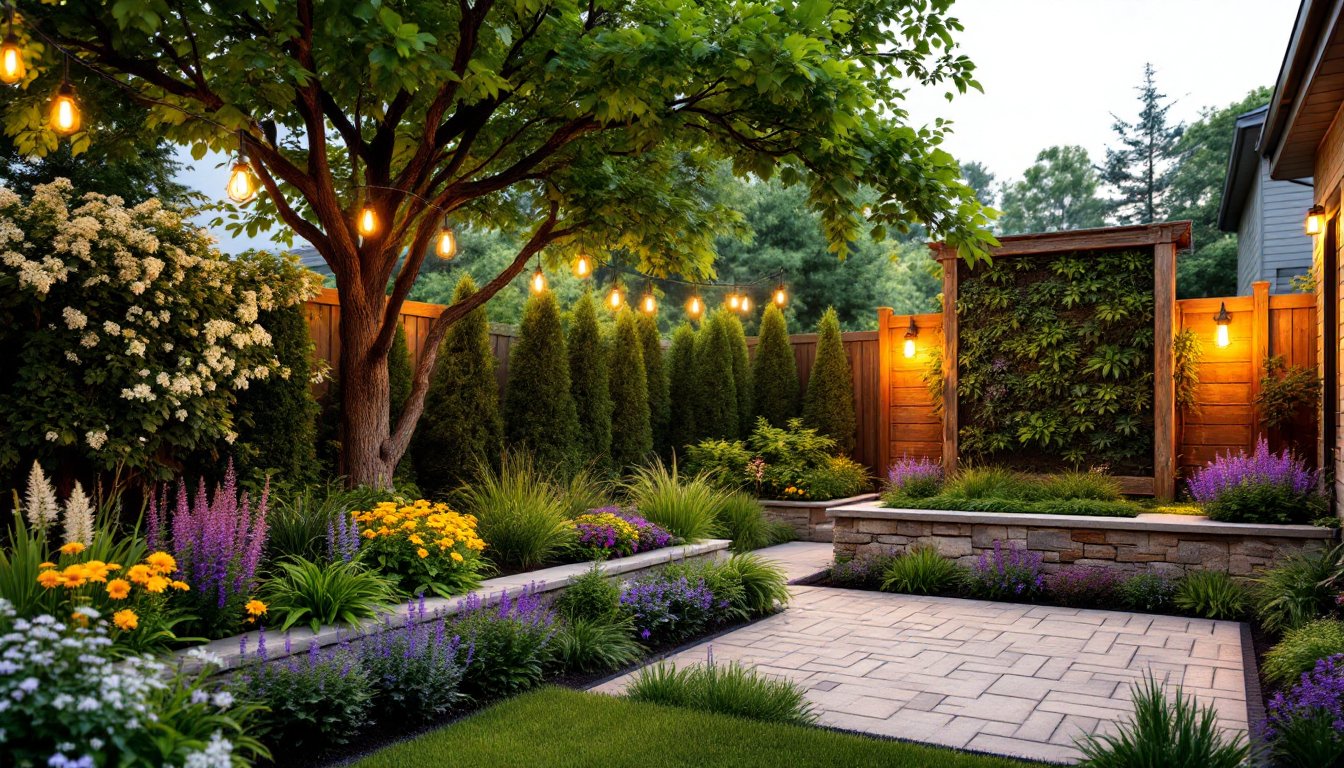
Outdoor spaces matter, too. Desert landscaping with xeriscaping principles, native plants, decomposed granite, and low-water features, creates curb appeal and ties the interior aesthetic to the environment. Add an outdoor fireplace, string lights, and weather-resistant furniture in teak or powder-coated metal to extend the Vegas vibe outside. For more ideas on balancing natural elements with refined interiors, explore approaches used in lake house design, which similarly emphasizes indoor-outdoor flow.
Lighting That Makes a Statement
Lighting is the backbone of Vegas-inspired design. Overhead fixtures should be bold, think oversized chandeliers, sculptural pendants, or geometric cages in mixed metals. Scale matters: a chandelier in a dining room with an 8-foot ceiling should be about 20–24 inches in diameter: for a 10-foot ceiling, go 26–30 inches.
Layering is critical:
- Ambient lighting: recessed LED cans (4-inch or 6-inch, depending on ceiling height) on dimmers
- Task lighting: under-cabinet LED strips in kitchens, sconces flanking bathroom mirrors, adjustable reading lamps in bedrooms
- Accent lighting: track lights or picture lights for artwork, LED strip lighting in toe-kicks or behind floating vanities, uplighting for plants or architectural features
For a true Vegas touch, incorporate backlit elements. A backlit onyx or quartzite slab behind a bar or in a bathroom creates a soft glow and highlights the stone’s natural veining. LED strip lighting (look for 2700K–3000K color temperature for warm white) is DIY-friendly, most systems are adhesive-backed and plug into standard outlets. Just make sure to measure carefully and use aluminum channels for a polished, shadow-free look.
Dimmer switches are non-negotiable. Install them on all ambient and accent circuits so you can shift the mood from bright and energizing to soft and sultry. For LEDs, use a compatible LED dimmer (standard incandescent dimmers can cause flickering).
Outdoor lighting extends the drama after dark. Uplighting on desert plants or stone features, string lights over patios, and path lighting with warm LEDs all contribute to the resort feel. Solar options work in Vegas’s abundant sunshine, but hardwired low-voltage systems (12V) offer more consistent output and control.
Design publications like Sunset frequently showcase how Western homes use dramatic lighting to highlight both natural landscapes and bold interiors, a principle that translates directly to Vegas style. If you’re layering textures and materials from other regional styles, such as tropical interiors, remember that lighting intensity and warmth should shift to match, Vegas leans warmer and more theatrical.
Electrical note: Any new hardwired lighting or circuits should be installed by a licensed electrician or inspected if DIY work is permitted in your jurisdiction. Follow National Electrical Code (NEC) guidelines for box fill, wire gauge, and circuit load. Outdoor lighting must be rated for wet or damp locations and installed with GFCI protection where required.