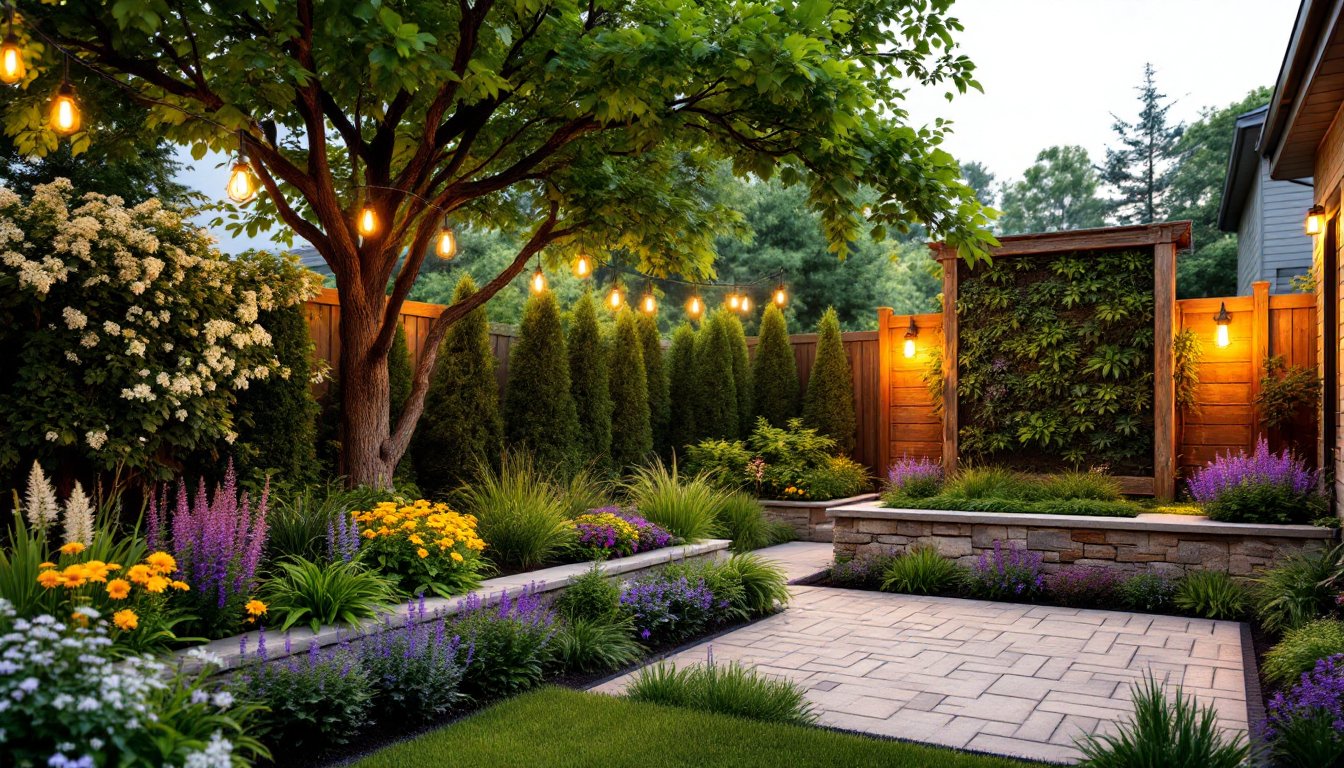
A yard shouldn’t feel like a second job. Too many homeowners spend weekends chasing weeds, dragging hoses, and trimming plants that always seem to need another haircut. Low maintenance landscaping flips that script, it’s about designing an outdoor space that looks intentional and polished without demanding constant attention. The right combination of plants, hardscaping, and ground cover can cut yard work in half while still delivering curb appeal. This isn’t about letting the yard go wild: it’s about working smarter by choosing materials and layouts that naturally resist problems and reduce the need for intervention.
Table of Contents
ToggleKey Takeaways
- Low maintenance landscaping combines strategic plant selection, hardscaping, and mulch to reduce weekly yard work while maintaining curb appeal and property value.
- Choose native plants and drought-tolerant varieties like sedums, Russian sage, and ornamental grasses that thrive in local conditions with minimal watering and supplemental care once established.
- Hardscaping elements such as gravel beds, paver patios, and retaining walls replace high-maintenance turf and solve drainage issues while providing durable, attractive surfaces.
- Apply 2–3 inches of shredded bark or wood chips annually and space plants by water needs using hydrozoning to suppress weeds, retain moisture, and prevent overwatering or underwatering.
- Reduce lawn area, use ground covers instead of mulch in larger spaces, and group plants in odd-numbered masses to simplify maintenance while creating visual interest.
- Invest upfront in proper soil prep, plant placement, and edge definition so the yard becomes self-sustaining and requires far less seasonal intervention.
Why Choose Low Maintenance Landscaping?
Traditional landscaping demands regular mowing, edging, fertilizing, pruning, and pest control. That adds up to hours every week during the growing season, time many people don’t have or don’t want to spend with a string trimmer in hand.
Low maintenance designs reduce those tasks by relying on self-sustaining plant choices, strategic hardscaping, and soil management that keeps weeds and erosion in check. Less mowing means less fuel, fewer fertilizers mean healthier runoff, and native plants often eliminate the need for supplemental watering once established.
Beyond the time savings, there’s a financial angle. Water bills drop when drought-tolerant plants replace thirsty turf. Fewer lawn chemicals mean lower annual costs. And well-designed hardscaping, patios, gravel beds, or stone pathways, adds property value without the recurring expense of replanting annuals or reseeding bare spots.
Low maintenance doesn’t mean low effort upfront. Proper planning, soil prep, and material selection are critical. Skipping those steps leads to erosion, weed problems, and plants that never take hold. But once established, a smart landscape practically runs itself.
Select the Right Plants for Minimal Upkeep
Plant selection makes or breaks a low maintenance yard. Choose the wrong species, and you’ll be pruning, watering, and fertilizing constantly. Choose wisely, and plants thrive with minimal intervention.
Look for perennials over annuals. Perennials return year after year without replanting, saving time and money. Ornamental grasses like blue fescue or feather reed grass add texture, tolerate poor soil, and rarely need division. Shrubs such as spirea, barberry, or potentilla offer seasonal color without the deadheading annuals demand.
Avoid high-maintenance species like hybrid tea roses (prone to disease and require regular feeding) or plants that sucker aggressively (like common lilac) unless you’re prepared to manage them. Also skip anything labeled “fast-growing” unless you want to prune constantly, what grows fast doesn’t stop.
Native Plants and Drought-Tolerant Varieties
Native plants evolved in local conditions, so they handle regional rainfall, soil types, and pests without extra help. In the Midwest, that might mean coneflowers and black-eyed Susans. In the Southwest, agave, yucca, and penstemon thrive in heat and low water. Native grasses like switchgrass or little bluestem offer movement and seasonal interest while supporting pollinators.
Drought-tolerant plants reduce or eliminate supplemental watering once established, usually after the first full growing season. Lavender, Russian sage, sedum, and catmint handle dry spells without wilting. Mulch around these plants with 2–3 inches of shredded bark or wood chips to retain soil moisture and suppress weeds.
Before planting, test soil drainage. Dig a hole about 12 inches deep, fill it with water, and see how long it takes to drain. If water sits for more than a few hours, amend with compost or consider raised beds. Poor drainage kills more plants than drought.
Group plants by water needs. Don’t mix thirsty hydrangeas with drought-loving sedums, they’ll never both be happy. This concept, called hydrozoning, makes watering efficient and prevents overwatering some plants while underwatering others. For additional guidance on choosing the right plants, many experienced landscapers recommend time-saving plant strategies that prioritize resilience.
Create Functional Hardscaping Elements
Hardscaping, patios, walkways, retaining walls, gravel beds, replaces high-maintenance turf with durable, attractive surfaces that don’t need mowing or watering. Done right, it also solves drainage issues and defines spaces without constant upkeep.
Gravel or crushed stone beds work well in areas where grass struggles, under trees, along fence lines, or on slopes. Use 3/8-inch to 3/4-inch crushed gravel over landscape fabric (not plastic sheeting, which blocks water and air). Edge beds with metal or plastic landscape edging to keep gravel from migrating into turf.
Paver patios or walkways provide clean, permanent surfaces. Concrete pavers are affordable and come in various shapes: natural stone like flagstone or bluestone costs more but adds character. Set pavers on a 4–6 inch compacted gravel base with 1 inch of leveling sand. Polymeric sand in the joints resists weeds and washout better than regular sand.
Retaining walls handle slopes and create planting terraces. Concrete blocks designed for retaining walls interlock without mortar and can handle walls up to 3–4 feet tall in most soils. Taller walls or unstable soil require engineering and possibly a permit, check local building codes. Always backfill with gravel for drainage and install a perforated drain pipe at the base to prevent water buildup.
Deck or patio borders in gravel or mulch eliminate the trimming gauntlet around structures. A 12–18 inch border keeps grass back and gives mowers a clean edge. Residents looking to refine their approach can explore effective landscape management techniques that integrate hardscaping and plantings.
Mulching Strategies to Reduce Weeds and Watering
Mulch does three jobs: suppresses weeds, retains soil moisture, and regulates soil temperature. Skimp on mulch, and you’ll spend the season pulling weeds and dragging hoses.
Shredded bark or wood chips are the workhorses. Apply 2–3 inches around plants, keeping mulch a few inches away from stems to prevent rot. Hardwood mulch breaks down slower than softwood but costs a bit more. Avoid dyed mulch unless aesthetics matter more than soil health, dyes don’t hurt plants, but they don’t add anything either.
Pine straw works well in acidic-soil regions and around acid-loving plants like azaleas and blueberries. It’s lightweight, knits together to resist washout, and breaks down into organic matter. Apply 3–4 inches since it compresses over time.
Rubber mulch lasts for years and doesn’t decompose, so it won’t need replenishing. It’s popular around playsets but less so in planting beds, it doesn’t improve soil, can retain heat, and some gardeners question long-term environmental impact.
Mulch annually or every other year to maintain depth as it decomposes. Pull back old mulch, check for matting (which blocks water), break it up if needed, then top with fresh material. Don’t pile on new mulch year after year, mulch volcanoes around tree trunks cause rot and pest problems.
Landscape fabric under mulch can help in paths or gravel beds, but in planting areas it’s often more trouble than it’s worth. Tree roots grow into it, perennials can’t self-seed, and after a few years it surfaces in shreds. In most beds, a thick mulch layer alone does the job. For homeowners managing water use, integrating mulch with smart irrigation planning can dramatically cut consumption.
Design Tips for Effortless Curb Appeal
Low maintenance doesn’t mean boring. Thoughtful design delivers visual interest without weekly fussing.
Reduce lawn area. Turf is the most labor-intensive part of most yards. Shrink it to a functional size, enough for kids or pets, and replace the rest with beds, ground covers, or hardscaping. Curved bed edges look more natural than straight lines and are easier to mow around if you use a flat spade to cut a clean trench about 3 inches deep.
Use ground covers instead of mulch in larger areas. Creeping thyme, ajuga, or pachysandra spread to form a living carpet that chokes out weeds. Once established, they need far less attention than annual mulching. Some ground covers tolerate light foot traffic, making them useful between stepping stones.
Group plants in masses. Five of the same perennial planted together makes a bolder statement and is easier to maintain than a jumble of singles. It also simplifies watering and mulching. Odd numbers (3, 5, 7) look more natural than even groupings.
Add evergreens for year-round structure. Deciduous plants go dormant in winter: evergreens like boxwood, juniper, or holly keep the yard from looking bare. Dwarf or compact varieties reduce pruning.
Edging defines beds and keeps grass from creeping in. Metal or plastic landscape edging installed with stakes holds a crisp line. Set it so the top sits just below soil level for a clean look that doesn’t interfere with mowing. Resources from experts in outdoor design and regional planting often highlight how proper edging and plant placement reduce long-term maintenance.
Lighting extends usability and highlights features. Low-voltage LED landscape lights along paths or uplighting trees add drama without the hassle of high-voltage wiring. Solar options work in sunny spots but may not provide enough light in shade.
Finally, if you’re new to planning outdoor spaces, beginner-friendly design principles can guide layout decisions and help avoid common mistakes.
Conclusion
Low maintenance landscaping is about front-loading the effort, choosing the right plants, installing hardscaping correctly, and mulching thoroughly, so the yard practically takes care of itself afterward. It’s not a shortcut: it’s a smarter approach that respects both the homeowner’s time and the local environment. With native plants, strategic hardscaping, and a solid mulch game, a yard can look sharp year-round without turning weekends into a string of chores.