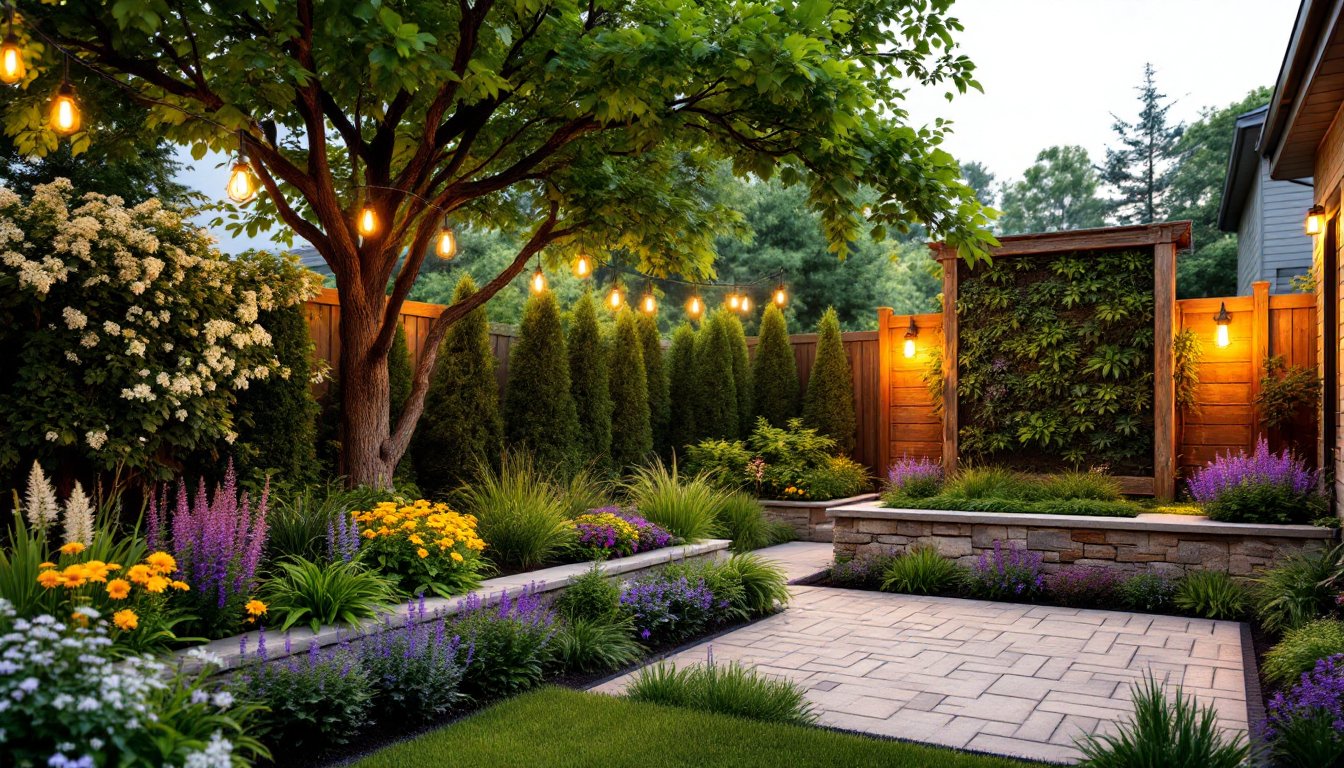
A small backyard doesn’t mean settling for a boring patch of grass or a forgotten corner cluttered with old patio furniture. With smart design choices and a bit of elbow grease, even the tightest outdoor space can become a functional, beautiful retreat. The key isn’t square footage, it’s how you use what you’ve got. This guide walks through practical, achievable landscaping strategies that maximize every inch, from vertical gardening techniques to hardscaping that won’t blow your budget. Whether you’re working with a narrow urban lot or a compact suburban yard, these ideas help homeowners create outdoor spaces that feel bigger, work harder, and look great year-round.
Table of Contents
ToggleKey Takeaways
- Small backyard landscaping ideas thrive on smart layout planning and zoning—sketch your yard on graph paper, measure accurately, and divide space into functional areas like dining and lounging to avoid visual clutter.
- Vertical gardening solutions maximize limited square footage by using wall-mounted planters, trellises, and espalier techniques to add greenery without sacrificing floor space.
- Choose dwarf and compact plant cultivars like ‘Palibin’ lilac or columnar trees to prevent overgrowth, and layer plants by height to create depth and seasonal visual interest.
- DIY-friendly hardscaping options such as pea gravel pathways, concrete pavers, and mixed material designs offer budget-conscious alternatives to expensive professional installation.
- Layered outdoor lighting, strategic focal points, and intentional decor—like a single statement piece or acrylic mirror—extend usable hours and create the illusion of more space.
- Start with a clear plan before purchasing materials, consider mature plant sizes, and build in phases to transform a small yard into a functional, beautiful retreat without professional landscaper costs.
Maximize Your Space with Smart Layout Planning
Before digging the first hole or hauling in pavers, sketch a simple layout on graph paper or use a free online tool. Measure the yard’s actual dimensions, not the rough estimate from memory. Note sun exposure throughout the day, existing structures, and problem spots like soggy corners or awkward slopes.
The biggest mistake homeowners make in small yards is trying to cram in too much. A cramped patio, overstuffed garden beds, and a narrow grass strip all competing for space create visual clutter and make the yard feel even smaller.
Create Zones for Function and Flow
Dividing a small yard into distinct zones, dining, lounging, planting, gives it purpose and makes it feel larger. Use low borders, changes in elevation, or different materials to define each area without building walls that chop up sightlines.
For example, a 12×12-foot paver patio can anchor a dining zone, while a narrow gravel path leads to a compact lounging nook with a bench tucked against a fence. Keep pathways at least 3 feet wide for comfortable traffic flow. Curves in paths create the illusion of more space compared to straight lines that emphasize boundaries.
Consider sight lines carefully. If you can see the entire yard from one spot, it reads small. Layer plantings, use trellises, or position a focal point, like a small fountain or sculptural shrub, to draw the eye and create depth. Anyone tackling their first outdoor project should start with a clear plan before purchasing materials or plants.
Vertical Gardening Solutions for Limited Square Footage
When ground space is tight, go up. Vertical gardening adds lush greenery without sacrificing precious floor area, and it creates privacy screening at the same time.
Wall-mounted planters, trellises, and espalier techniques (training fruit trees or vines flat against walls or fences) turn vertical surfaces into productive growing space. A 6-foot cedar trellis mounted to a fence can support climbing roses, clematis, or even pole beans. For edible options, vertical herb gardens or strawberry towers produce food in minimal square footage.
Use galvanized steel or cedar planters with drainage holes to prevent root rot. Mount them securely to studs or fence posts, soil and plants get heavy when wet, especially after rain. A standard 10-inch planter filled with moist soil can weigh 15-20 pounds.
Pallets repurposed as vertical planters are popular but require proper treatment. Use only heat-treated (HT-stamped) pallets, never chemically treated ones, if growing edibles. Line pockets with landscape fabric to hold soil in place.
For renters or those wanting flexibility, freestanding A-frame trellises or obelisk structures provide vertical growing space without permanent installation. Position them to screen unsightly views or create a green wall between zones. Homeowners looking to maximize both beauty and harvest often integrate edible landscaping techniques into vertical structures for a dual-purpose design.
Budget-Friendly Hardscaping Ideas for Small Yards
Hardscaping, patios, paths, borders, gives small yards structure and reduces maintenance compared to all-lawn layouts. But professional installation runs $15-30 per square foot depending on materials and region, which adds up fast in any size yard.
DIY-friendly options include pea gravel (roughly $30-50 per cubic yard delivered), decomposed granite, or mulch pathways with landscape fabric underneath and 4×4 treated lumber or steel edging to contain material. Calculate coverage carefully: one cubic yard covers about 100 square feet at 3 inches deep.
Pavers offer a more permanent solution. Concrete pavers cost $1-3 each at home centers, while natural stone runs higher. For a 10×10-foot patio, budget around $300-500 in materials for pavers, plus crushed stone base and sand. Rent a plate compactor ($50-70/day) to properly tamp the base, skipping this step leads to settling and uneven surfaces.
Install a landscape fabric barrier beneath gravel or stone to suppress weeds. Cheap fabric deteriorates in a year: spend a bit more for commercial-grade woven polypropylene that lasts.
For budget-conscious homeowners, a mixed approach works well: a small paver seating area surrounded by gravel paths and mulched beds. This technique appears frequently in practical small-space designs that balance cost and visual appeal. Borders can be simple pressure-treated 2×6 lumber staked with 18-inch rebar driven through pre-drilled holes, or use interlocking plastic edging for curves.
Safety note: Wear leather gloves and safety glasses when cutting pavers with a circular saw and diamond blade. Wet-cut if possible to control dust.
Plant Selection Strategies That Make Small Yards Feel Bigger
Plant choice matters as much as layout in small spaces. Overgrown shrubs, sprawling groundcovers, or trees with aggressive roots quickly overwhelm a compact yard.
Stick to dwarf and compact cultivars. A standard lilac reaches 8-15 feet: dwarf varieties like ‘Palibin’ stay under 5 feet. Columnar trees like ‘Sky Pencil’ holly or ‘Slender Silhouette’ sweetgum provide height without width, useful for tight side yards or corner accents.
Layer plants by height: low groundcovers in front, mid-height perennials in the middle, taller shrubs or ornamental grasses at the back. This creates depth and prevents a flat, crowded look. Choose plants with multiple seasons of interest, spring blooms, summer foliage, fall color, winter structure, to keep the space engaging year-round without needing more plants.
Container gardening adds flexibility. Large pots (at least 16-18 inches diameter) planted with small trees, shrubs, or perennial combinations can be moved seasonally or replaced as tastes change. Use potting mix, not garden soil, which compacts in containers. Add slow-release fertilizer at planting and refresh annually.
Avoid invasive species like bamboo (unless clumping varieties in buried rhizome barriers), English ivy, or vinca, which escape beds and create maintenance headaches. Resources like The Spruce offer detailed plant guides for selecting well-behaved varieties suited to different climates.
Consider mature size before planting. That cute 2-gallon hydrangea may reach 6 feet wide in three years. Read tags carefully or research online. Proper landscape care tips include spacing plants for their mature width, not their nursery size, to avoid crowding and constant pruning.
Lighting and Decor Touches to Enhance Your Compact Backyard
Lighting extends usable hours and adds dimension after dark. Small yards benefit from layered lighting: path lights for safety, uplights to highlight focal points, and string lights or lanterns for ambiance.
Solar path lights are easy to install, no wiring, but quality varies. Cheap units dim quickly and fail within a season. Spend $15-25 per fixture for units with replaceable batteries and durable housings. Low-voltage LED systems (12V) offer brighter, more reliable light and run off a transformer plugged into a GFCI-protected outlet. A basic kit with transformer and six fixtures costs $100-150.
Run low-voltage wire along fence lines or bed edges, burying it 2-3 inches deep or securing it with landscape staples. Follow manufacturer specs for maximum wire run to avoid voltage drop. If adding electrical outlets or 120V fixtures, hire a licensed electrician, outdoor wiring must meet National Electrical Code (NEC) requirements, including GFCI protection and proper burial depth.
Uplighting a specimen tree or decorative grass creates drama and draws eyes upward, making the space feel larger. Position LED spotlights at the base, angled up. A 3-5 watt LED is typically enough for small trees.
Decor in small yards should be intentional, not cluttered. One statement piece, a colorful glazed pot, a small water feature, a sculptural metal panel mounted on a fence, has more impact than a dozen tchotchkes. Sunset features outdoor design ideas that emphasize quality over quantity for compact spaces.
Mirrors mounted on fences can visually expand the yard, but ensure they’re outdoor-rated (acrylic or treated glass) to withstand weather. Position them to reflect greenery, not create awkward sightlines into neighbors’ yards.
Water features add sound and motion. A simple bubbling urn or tabletop fountain requires only a small recirculating pump and a GFCI outlet. Avoid large ponds in tiny yards, they dominate and limit usable space. Effective landscape water management also considers how decorative water features integrate with irrigation and drainage needs.
Conclusion
Transforming a small backyard doesn’t require a landscape architect’s budget or a contractor’s skill set. It requires honest assessment of the space, smart material choices, and a willingness to prioritize function over filler. Measure twice, prep properly, and build in phases if budget or time is tight. A well-planned compact yard delivers more satisfaction, and more usable outdoor living, than a sprawling, neglected lot ever could.