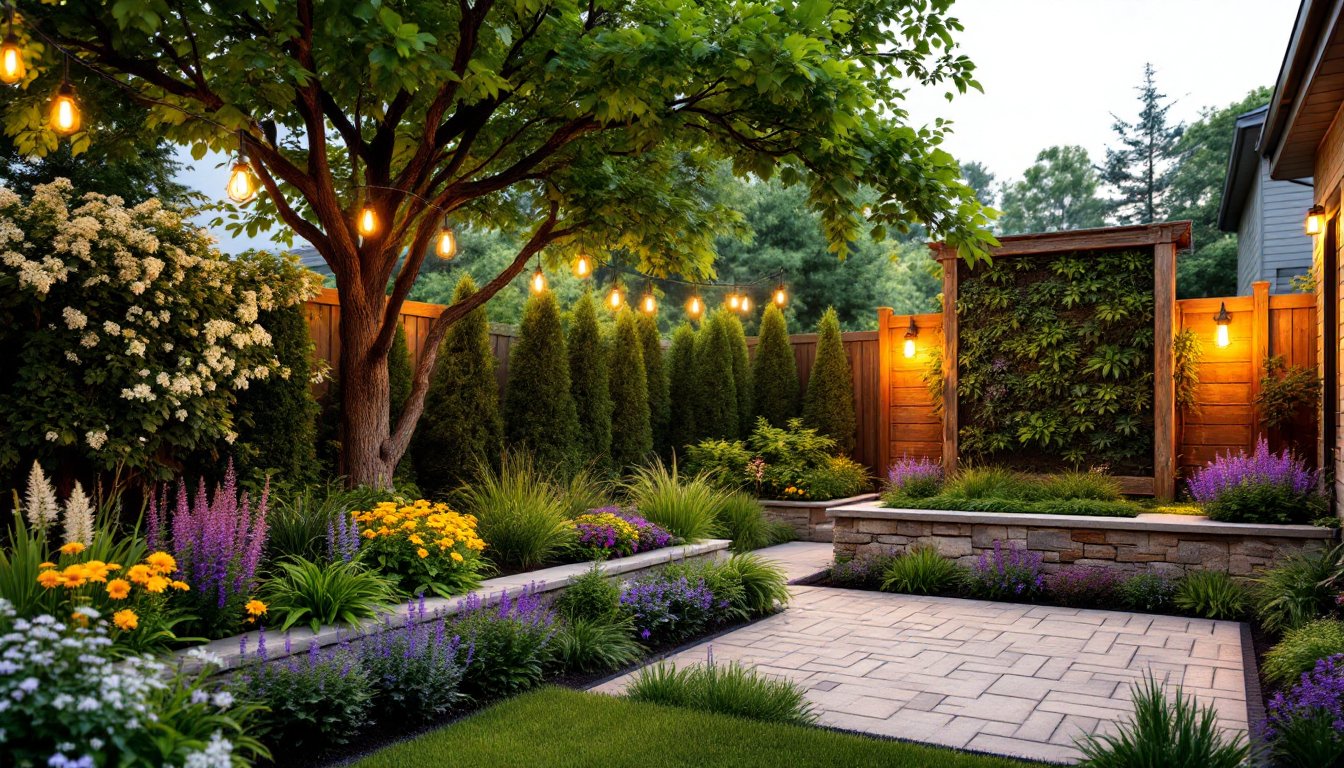
A small front yard doesn’t mean limited curb appeal. Homeowners with compact lots face a unique challenge: creating a landscape that looks intentional, not cramped. The right combination of plants, hardscaping, and strategic design tricks can make a narrow strip of lawn feel like a thoughtfully composed outdoor room. Whether working with a 10-foot setback or a modest suburban plot, the goal is the same, maximize visual interest without overwhelming the space. This guide covers practical design principles, plant selection, hardscape solutions, and finishing touches that transform tight front yards into welcoming, low-maintenance landscapes.
Table of Contents
ToggleKey Takeaways
- Small house front yard landscaping can return 80–150% of its cost at resale, making strategic curb appeal improvements a smart investment for homeowners.
- Use vertical elements, diagonal lines, and layered planting by height to create visual depth and make compact yards feel larger and more intentional.
- Select dwarf and compact cultivars like Buxus ‘Green Gem’ and Coreopsis ‘Moonbeam’ rather than full-size plants to avoid constant pruning in tight spaces.
- Quality hardscaping with two or three complementary materials (bluestone, steel edging, mulch) provides function without overwhelming a small front yard.
- Low-voltage LED path lighting spaced 6–10 feet apart improves safety and usability after dark while consuming minimal energy.
- Edit ruthlessly: one well-chosen evergreen, one seasonal flower, and one accent plant in a 200–300 square foot bed prevents clutter and creates a curated, professional look.
Why Front Yard Landscaping Matters for Small Houses
Front yard landscaping on a small property serves three critical functions: it frames the home, defines property boundaries, and sets expectations before visitors reach the door. A well-executed landscape can make a modest house feel grounded and intentional rather than perched awkwardly on its lot.
From a property value perspective, professional landscaping typically returns 80–150% of its cost at resale, with front yard improvements showing faster ROI than backyard projects. That’s because curb appeal influences buyer interest before they even schedule a showing.
But beyond resale value, good front yard design solves practical problems. It directs foot traffic, screens utilities, manages stormwater runoff, and, when done right, reduces maintenance. For small homes, the front yard often does double duty as the only landscaped space visible from the street, so every plant and pathway needs to earn its keep.
Skip the temptation to treat a small yard like a postage stamp garden crammed with tchotchkes. Instead, focus on clean lines, intentional plant groupings, and a clear hierarchy of elements. The best small front yards feel curated, not cluttered.
Design Principles That Make Small Yards Look Bigger
The same visual tricks that interior designers use to open up small rooms apply outdoors. Diagonal lines, curves, and asymmetry create the illusion of depth. A straight walkway running perpendicular to the house foreshortens the yard: a gently curving path or a diagonal bed adds perceived distance.
Vertical elements pull the eye upward and make the space feel taller. A narrow columnar shrub like Juniperus scopulorum ‘Skyrocket’ (12–18 inches wide, 15–20 feet tall) or a trellis with climbing vines adds height without eating up square footage. Avoid squat, spreading shrubs that emphasize the yard’s width, they make tight spaces feel tighter.
Color and texture also influence perception. Light-colored hardscaping (pale gravel, buff-toned pavers) reflects more light and feels airier than dark mulch or black rubber edging. Fine-textured plants like ornamental grasses or threadleaf coreopsis create a softer, less crowded look than bold, chunky foliage.
Finally, editing is everything. Many landscape designers recommend thinking in a palette of three colors, according to experts at Gardenista, and they’re right, one evergreen, one seasonal flower, and one accent plant is often enough for a 200–300 square foot front bed.
Creating Visual Depth With Layering and Lines
Layering plants by height, groundcover in front, mid-height perennials in the middle, shrubs or grasses at the back, creates a graduated effect that guides the eye through the space. This technique, borrowed from traditional English border design, works even in a 3-foot-deep bed.
Use repeating elements to create rhythm. Three identical ornamental grasses spaced along a walkway, or a line of evergreen boxwoods, gives structure without monotony. But avoid over-matching, too much symmetry in a small yard can feel rigid.
Lines matter more than most DIYers realize. A bed edge that follows the roofline or mimics the curve of a bay window ties the landscape to the architecture. Run edging along the same angle as a prominent gable, and suddenly the yard feels like it was designed, not afterthought.
Best Plants for Compact Front Yard Spaces
Plant selection in a small front yard is about scale, seasonality, and maintenance. Dwarf and compact cultivars are the workhorses here, full-size shrubs quickly outgrow their space and require constant pruning.
Evergreen anchors provide year-round structure. Consider Buxus ‘Green Gem’ (2–3 feet tall and wide), Ilex crenata ‘Soft Touch’ (2–3 feet), or Thuja occidentalis ‘Little Giant’ (4–6 feet). These stay dense without shearing and tolerate a range of soil conditions.
For seasonal color, choose perennials over annuals, they’re less work and more cost-effective. Compact options include:
- Nepeta ‘Walker’s Low’ (12–18 inches, lavender-blue blooms, deer-resistant)
- Heuchera cultivars (8–12 inches, colorful foliage, shade-tolerant)
- Coreopsis verticillata ‘Moonbeam’ (15–18 inches, fine texture, long bloom)
- Sedum ‘Autumn Joy’ (18–24 inches, late-season interest, drought-tolerant)
Ornamental grasses add movement and texture without bulk. Pennisetum alopecuroides ‘Hameln’ (2–3 feet) and Carex morrowii ‘Ice Dance’ (8–12 inches) work in tight quarters.
Avoid plants that spread aggressively (mint, ajuga, vinca), sucker freely (certain sumacs, raspberries), or drop messy fruit near walkways (crabapples, mulberries). For homeowners exploring options that combine beauty and function, edible landscaping can integrate compact herbs like thyme or chives as groundcovers.
Foundation plantings should stay under 3 feet tall and not block windows. Measure the mature size, not the nursery pot size. A “compact” yew can still hit 6 feet in five years if it’s the wrong cultivar.
Hardscaping Solutions That Add Function Without Clutter
Hardscaping, paths, edging, retaining walls, and decorative features, defines the bones of a landscape. In a small front yard, every hardscape element should serve a clear purpose.
Pathways need to be wide enough for comfortable passage: 36–48 inches for a primary walk. Stepping-stone paths can be narrower (18–24 inches) but shouldn’t meander aimlessly. Use materials that complement the house, bluestone or flagstone for traditional homes, concrete pavers or decomposed granite for modern styles.
Edging keeps beds crisp and grass out. Steel or aluminum edging (1/8-inch thick, 4–6 inches tall) is nearly invisible and lasts decades. Plastic edging looks cheap and heaves in freeze-thaw cycles. If using stone or brick edging, set it 1 inch below grade so mower wheels can pass over it.
Low retaining walls (12–18 inches tall) can create planting terraces on sloped lots, adding usable bed space without excavation. Dry-stacked stone or modular concrete block systems (like Allan Block or Versa-Lok) are DIY-friendly for walls under 2 feet. Taller walls may require engineering and permits, check local codes.
Gravel or mulch zones reduce lawn area and maintenance. A 3-inch layer of shredded hardwood mulch conserves moisture and suppresses weeds: refresh annually. Pea gravel (1/4–3/8 inch) works for low-traffic areas but can migrate into lawn. Lay landscape fabric underneath to prevent weed breakthrough, though it’s not foolproof.
Avoid overloading the yard with competing hardscape materials. Stick to two or three complementary textures, e.g., bluestone steppers, river rock mulch, and steel edging. More than that, and the space feels busy.
For properties with challenging driveway landscaping transitions, extending the same paving material or plant palette from the drive into the front yard creates visual continuity.
Lighting and Accessories to Enhance Your Small Front Yard
Outdoor lighting extends the usability and security of a front yard after dark. For small spaces, low-voltage LED systems (12V) are the safest and most flexible option. A basic kit includes a transformer (rated for total wattage of all fixtures), cable, and fixtures.
Path lights (spacing every 6–10 feet) mark walkways without glare. Aim for fixtures that cast light downward or use shields to prevent light pollution. 3–5 watt LED fixtures are sufficient for most residential paths.
Uplighting showcases key plants or architectural features. A single uplight aimed at a specimen tree or the home’s facade creates drama. Use warm white (2700–3000K) LEDs for a natural look: cool white (4000K+) feels sterile.
Installation tips:
- Bury cable 6 inches deep along bed edges (no need for conduit in most jurisdictions for low-voltage systems).
- Use waterproof wire connectors and test before backfilling.
- Position the transformer in a garage, shed, or weatherproof box, not zip-tied to a fence post.
- Add a photocell or timer to automate operation.
Avoid solar path lights for primary walkways, they’re dim and unreliable. Reserve them for accent use.
Accessories should be minimal. A single focal point, a sculptural pot, a house number plaque, or a tidy mailbox surround, is enough. Those exploring ideas for maintaining these features year-round can consult basic landscape care tips to keep plants and hardscaping in top shape.
Skip lawn ornaments, seasonal flags, and anything that clutters sightlines. For design inspiration that balances simplicity with style, resources like Sunset offer regionally appropriate ideas. In a small yard, restraint is a design feature.
Conclusion
Small front yards reward careful planning. By prioritizing scale-appropriate plants, clean hardscape lines, and strategic lighting, homeowners can create landscapes that feel intentional and welcoming. The key is editing ruthlessly, every plant, path, and fixture should justify its footprint. Whether starting from scratch or refining an existing bed, the principles remain the same: layer for depth, choose quality over quantity, and let the architecture guide the design. For those new to landscape projects, reviewing foundational landscaping for beginners strategies helps avoid common pitfalls and ensures a result that improves both curb appeal and long-term property value.