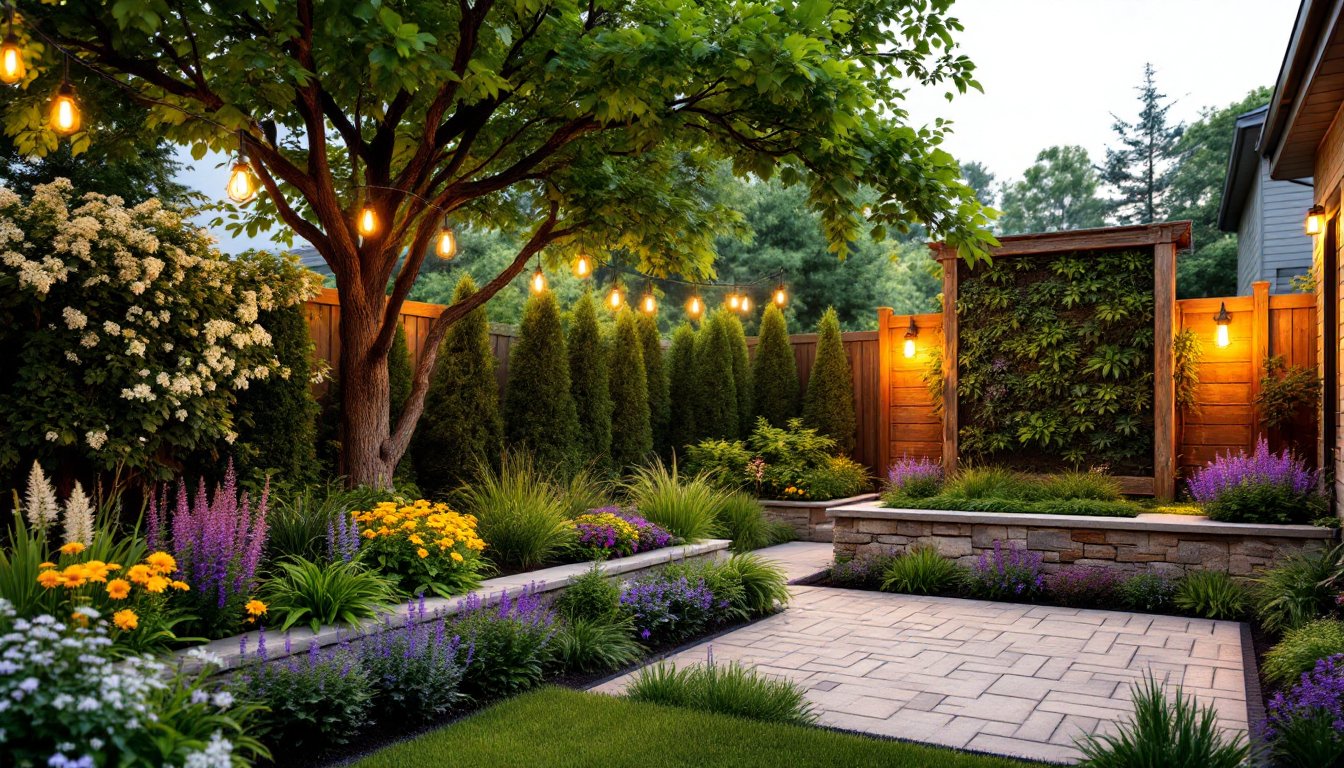
Hiring a sustainable interior design company isn’t just about swapping out lightbulbs anymore. The best eco-friendly firms in 2026 are balancing reclaimed materials, low-VOC finishes, and energy-efficient layouts with actual livable design, not just burlap and bamboo. Whether you’re renovating a single room or overhauling your entire home, knowing what separates greenwashing from genuine sustainable practice makes all the difference. This guide breaks down what to look for, highlights standout firms pushing the envelope, and shows how to bring those principles into your own DIY projects.
Table of Contents
ToggleKey Takeaways
- Sustainable interior design companies prioritize reclaimed materials, low-VOC finishes, and energy-efficient layouts while maintaining livable, modern design rather than relying on greenwashing.
- Material sourcing, waste reduction, and long-term durability are the core markers of a truly sustainable interior design firm, not just eco-friendly marketing labels.
- Verify sustainability credentials through transparency—ask for material sourcing details, VOC content, waste management practices, and LEED or WELL Building Standard certifications before hiring.
- For budget-conscious projects, the greenest material is what you already have; refinishing existing wood, repainting cabinets, and using reclaimed or salvaged materials delivers sustainability without major renovation costs.
- Energy efficiency goes beyond appliances—sustainable designers leverage natural light, passive heating/cooling, proper insulation (R-15 to R-60 per climate), and strategic window placement to reduce HVAC loads and long-term utility bills.
What Makes an Interior Design Company Truly Sustainable?
A sustainable interior design firm doesn’t just slap “eco” on the website and call it done. Real commitment shows up in material sourcing, waste management, and long-term durability.
Materials matter most. Look for companies that prioritize reclaimed wood, FSC-certified lumber, low-VOC paints and finishes, and rapidly renewable resources like cork or bamboo. Reclaimed lumber especially cuts down on deforestation and diverts usable material from landfills. Nominal 2×4s from salvage yards may need more inspection than fresh stock, but they carry character and reduce embodied carbon.
Waste reduction is non-negotiable. Top firms track cut lists carefully, donate surplus materials, and design around standard sheet sizes (4×8 plywood, 4×12 drywall) to minimize offcuts. Some partner with local Habitat for Humanity ReStores or similar outlets to keep scrap out of dumpsters.
Energy efficiency goes beyond appliances. Sustainable designers account for natural light, thermal mass, and passive heating/cooling. They’ll spec Energy Star-rated fixtures, but also position windows to reduce HVAC load and recommend insulation upgrades that meet or exceed local IRC standards.
Transparency and certifications help. LEED Accredited Professionals, WELL Building Standard credentials, or membership in organizations like the U.S. Green Building Council signal formal training. But ask for specifics: Where do they source tile? What adhesives do they use? How do they handle demo waste?
Finally, longevity beats trends. A company focused on timeless design principles that won’t need replacement in three years is inherently more sustainable than one chasing every Pinterest fad.
Top Sustainable Interior Design Companies Leading the Green Revolution
Boutique Eco-Design Firms
Boutique firms often specialize in custom residential work, bringing deep expertise in sustainable materials and local sourcing.
Reath Design (Los Angeles) focuses on natural, non-toxic materials and partners directly with artisans who use plant-based dyes and organic fibers. They’re known for custom upholstery with hemp and linen, avoiding flame retardants common in conventional furniture.
Amethyst Design Studio (San Francisco) leans heavily into salvaged materials and vintage finds, pairing mid-century pieces with locally milled hardwoods. Their projects often incorporate cork flooring and recycled glass tile, and they publish detailed material sourcing reports for clients.
Studio McW (New York) blends industrial reclaimed elements, steel beams, subway tile from decommissioned stations, with modern low-impact finishes. They’re transparent about embodied carbon and work with structural engineers to repurpose beams and joists safely.
These smaller outfits typically work closely with homeowners, making them ideal if you want input on every detail and value knowing exactly where your materials come from. Many sustainable brands featured on design platforms align with this hands-on ethos.
Full-Service Sustainable Design Studios
Full-service studios handle everything from architecture to furnishings, often with in-house project management and contractor networks.
Commune Design (multiple locations) tackles large-scale residential and hospitality projects, integrating solar arrays, greywater systems, and passive ventilation. They coordinate with architects to meet net-zero targets and specify materials that align with LEED Gold or Platinum standards.
Atelier Davis (Chicago) combines sustainable practice with smart-home integration, using energy monitoring systems and automated lighting to cut consumption without sacrificing convenience. They favor low-E glazing and advanced framing techniques that reduce lumber use while maintaining structural integrity.
GreenLab (Austin) works primarily on renovations, specializing in adaptive reuse, converting old warehouses, barns, or commercial office spaces into residences. They handle permitting, demo, and waste audits, ensuring up to 85% of demo material gets recycled or donated.
The Citizenry (online, based in Dallas) operates as a direct-to-consumer sustainable decor brand but also offers full design services. They work with fair-trade artisan cooperatives and transparently publish supply chain details.
Full-service firms are best if you’re managing a whole-home remodel or new build and want a single point of contact. Expect higher fees, but also comprehensive oversight and accountability.
How to Choose the Right Sustainable Design Partner for Your Home
Start by defining your own sustainability priorities. Are you most concerned with air quality? Carbon footprint? Supporting fair-trade artisans? Not every firm checks every box, so know what matters most.
Ask for a portfolio with material details. Photos are great, but you want to see finish schedules, cut sheets, and sources. A firm that can’t tell you the VOC content of their standard wall paint or where their hardwood comes from isn’t doing the work.
Request references and site visit opportunities. Talk to past clients about how the firm handled changes, waste, and budget. If possible, visit a completed project. Check if finishes are holding up, if spaces feel healthy (no off-gassing smells), and if systems like radiant floors or solar panels are performing as promised.
Verify credentials but don’t rely on them alone. LEED AP or WELL AP designations matter, but they’re not a substitute for project-specific questions. Ask how they’ll handle your local building codes (IRC, NEC, municipal amendments), especially if you’re adding electrical for heat pumps or reconfiguring load-bearing walls.
Discuss budget transparency. Sustainable materials sometimes cost more upfront (FSC plywood, zero-VOC paint, reclaimed tile), but quality firms can show you where you’ll save long-term through energy efficiency or durability. Be wary of vague “green premiums”, ask for line-item breakdowns.
Understand the procurement process. Will they order samples so you can test finishes in your space? Do they have relationships with local salvage yards or mills? Firms invested in sustainable home practices often maintain networks that give access to unique or cost-effective materials you won’t find at big-box stores.
Finally, gauge communication style. Sustainable design often involves trade-offs (a beautiful reclaimed beam might need additional structural support: a low-flow fixture might require pressure adjustments). You want a partner who’ll walk you through pros and cons, not just upsell the greenest option.
Incorporating Sustainable Design Principles into Your Own Projects
You don’t need a five-figure design contract to make sustainable choices. Many principles scale down to single-room DIY work.
Start with what you keep. The greenest material is the one already in your house. Refinish existing hardwood instead of replacing it. Strip and repaint cabinets rather than demo-ing them. Sand and seal a wood table instead of buying new. It’s cheaper, and you avoid the embodied carbon of manufacturing and shipping new goods.
Choose low-VOC or zero-VOC finishes. Paints from brands like Benjamin Moore Natura, Sherwin-Williams Harmony, or ECOS emit minimal volatile organic compounds, improving indoor air quality. Coverage is typically 350–400 square feet per gallon for walls, so calculate carefully to avoid buying excess.
Buy reclaimed or salvaged when possible. Architectural salvage yards stock everything from dimensional lumber to vintage light fixtures. Reclaimed 2×6s (actual size 1.5″ × 5.5″) work great for shelving or accent walls. Inspect for nails, rot, and insect damage, and use a metal detector before running pieces through a saw.
Opt for rapidly renewable materials. Cork and bamboo flooring regenerate faster than hardwoods, though installation techniques differ. Cork typically needs underlayment and a floating floor system: bamboo can be nailed or glued depending on the product. Both require acclimation, let planks sit in the room for 48–72 hours before install to match humidity levels.
Upgrade insulation and air sealing. Adding R-15 or R-21 batt insulation in walls or R-38 to R-60 in attics (depending on climate zone per IRC) cuts heating and cooling loads. Pair it with caulk and weatherstripping around windows and doors. These aren’t glamorous, but they’re the backbone of energy efficiency.
Prioritize durability. Tile, metal roofing, and solid wood outlast vinyl, asphalt shingles, and particle board. Spending more upfront on a material that lasts 30 years instead of 10 reduces long-term waste and replacement costs.
Many of these tactics overlap with current home design trends emphasizing natural materials and energy performance. Whether you’re updating a single room or planning a larger project, the same principles apply: measure twice, prep thoroughly, and choose materials that’ll perform for decades.
Conclusion
Sustainable interior design companies bring expertise, accountability, and access to materials that most homeowners can’t source alone. But the principles they use, prioritizing durability, reducing waste, specifying low-impact finishes, translate directly to DIY work. Whether you hire a firm or tackle projects yourself, the goal is the same: create spaces that are healthier, more efficient, and built to last.